Real Estate Information Archive

Blog

Displaying blog entries 1-10 of 220

If you’re looking to build a real estate portfolio in Albuquerque, NM, you might be weighing two classic options: buy several single-family homes (SFHs) or save up to purchase one multifamily property. This decision shapes your investment returns, management style, and how quickly you can scale. Albuquerque’s strong rental market makes both strategies attractive, but the right choice depends on your goals, capital, and risk tolerance.

In this post, we’ll break down what makes investing in multiple SFHs different from buying a multifamily property in Albuquerque, using local data and expert perspectives to help you make a smart decision.

The Short Answer

In Albuquerque, investing in multiple SFHs is an accessible entry point for new investors. SFHs offer lower acquisition costs, more inventory, and easier management. Neighborhoods like Nob Hill attract long-term tenants, providing stable, single-source cash flow.

On the other hand, saving for a multifamily property - like a duplex or a small apartment building - can mean higher cash flow and faster portfolio growth. Multifamily investments benefit from economies of scale, spreading costs like taxes and maintenance over several units. Locations such as South Valley are known for viable multifamily opportunities.

Both strategies are viable due to Albuquerque’s robust rental demand and steady property appreciation. Your best bet comes down to your available capital, desired cash flow, and willingness to manage either multiple properties or multiple tenants under one roof.


Pros and Cons of Multiple SFHs in Albuquerque

• Lower entry costs and more inventory make it easier to get started, especially for first-time investors

• Easier to finance and manage for beginners, with less complexity compared to multifamily

• Popular neighborhoods like Nob Hill attract long-term tenants seeking privacy and space

• Risk of total vacancy if a property sits empty, as each home has a single tenant

• SFHs in Albuquerque tend to appreciate faster due to strong local demand and competition

• Selling or refinancing is easier since each property is a standalone investment


Pros and Cons of Investing in Multifamily Properties in Albuquerque

• Higher cash flow potential as rental income comes from multiple units (e.g., a 20-unit complex generates 20 rent checks)

• Economies of scale reduce per-unit costs for maintenance, taxes, and management

• Faster portfolio scaling with one purchase instead of many individual transactions

• More complex management, especially for larger properties, with increased tenant turnover and possible higher liability

• Multifamily properties often have a lower price per unit compared to individual SFHs in Albuquerque

• Strong rental demand in areas like South Valley and near the University of New Mexico supports high occupancy


Key Albuquerque Market Facts to Consider

• SFHs have a lower barrier to entry and more inventory, making it easier to find and buy properties

• Multifamily properties provide greater cash flow but may require higher down payments and more complex financing

• Local appreciation rates favor SFHs, enhancing resale value over time

• Rental demand is strong citywide, supporting both SFH and multifamily strategies, especially in growth neighborhoods

• Small multifamily (2-4 units) or detached SFHs are recommended for first-time investors in Albuquerque


Practical Advice for Albuquerque Investors

• Start with SFHs if you have limited capital or prefer simpler management

• Diversify across multiple SFHs to mitigate the risk of a single vacancy

• Consider multifamily for quicker scale and higher cash flow if you can handle more complex management

• Target Nob Hill for SFHs with premium rents and long-term tenants

• Look at South Valley for cost-effective multifamily complexes

• Always check local zoning and rental regulations before buying multifamily properties


Frequently Asked Questions


Is it easier to manage multiple SFHs or one multifamily property in Albuquerque?

Multiple SFHs are generally easier for beginners to manage, with less complexity and simpler tenant relationships. Multifamily properties can be more efficient but require more hands-on management or hiring a property manager.


Which investment type appreciates faster in Albuquerque, SFH or multifamily?

SFHs typically appreciate faster in Albuquerque due to higher demand and competition. This can lead to better resale value when you sell.


Where should I look for strong rental demand in Albuquerque?

High-demand areas for rentals include neighborhoods near the University of New Mexico, Nob Hill for SFHs, and South Valley for multifamily properties.


Are there special regulations for multifamily investing in Albuquerque?

There may be higher management liabilities and stricter financing requirements for multifamily, and it’s important to check city planning and zoning regulations, especially in targeted neighborhoods.


Conclusion

Both multiple SFHs and a single multifamily property can be smart investments in Albuquerque, NM, thanks to strong rental demand and steady appreciation. Your choice should align with your capital, management style, and long-term goals. If you’re just starting out, SFHs offer an easier and more flexible path. If you’re ready for bigger cash flow and scale, multifamily might be for you. Looking for local guidance? The Sandi Pressley Team can help you navigate Albuquerque’s dynamic real estate market and choose the right investment for your portfolio - reach out today!


HOT PROPERTY OF THE WEEK
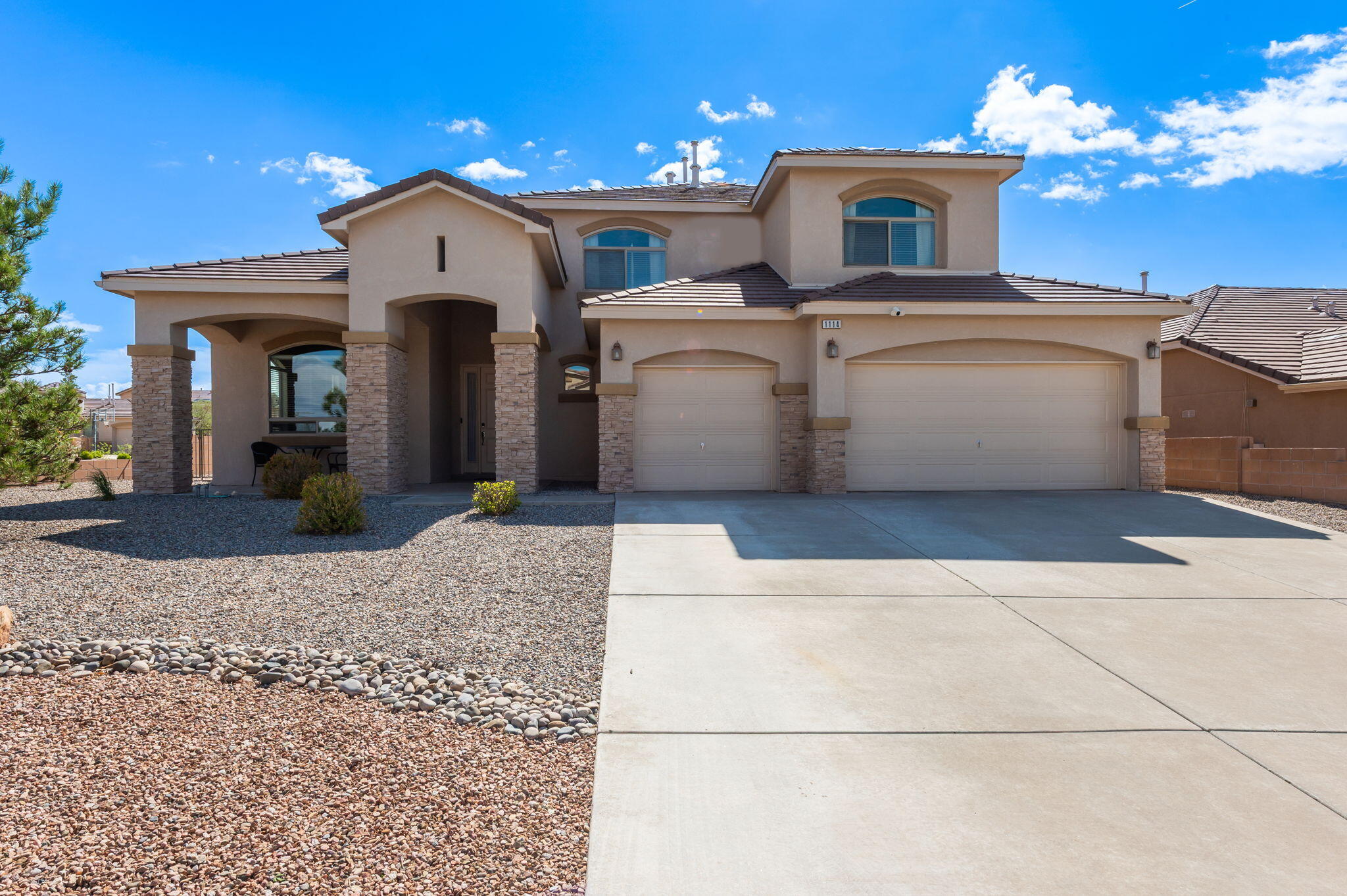

1114 BLUE SAGE ROAD NE, RIO RANCHO, NM 

Incredibly maintained 4BDR/3BA plus LOFT in desirable Diamond Ridge! 1BDR/BA on the main level for guests! Formal living and dining room Large great room with stacked stone fireplace! Open floor plan, lots of natural light, under stair storage, central vac, gutters, newly painted exterior trim, doors & garage door. Gourmet kitchen features island, granite countertops, LG range, cooktop, dishwasher, fridge (2023), 42'' cabinets w/crown molding & bkfst nook! Primary suite features his/her vanities, garden tub, separate shower & large walk-in closet. Covered patio, mature shrubs, trees on corner lot and walled for privacy. 3CG, finished, EV outlet.


GET YOUR MORNING INSPIRATION WITH THE SANDI PRESSLEY TEAM

 

This is one of those decisions that seems simple at first—but the more you look into it, the more nuanced it becomes.

Rio Rancho and the Westside of Albuquerque are often grouped together because they both offer relatively affordable entry points into the market. But once you start paying attention to how each area actually feels to live in, the differences become much more significant.

And those differences matter—not just for the purchase itself, but for how your day-to-day life will look after you move in.


Why This Choice Feels So Close (But Isn’t)

On paper, these two areas can look very similar.

You’ll often find comparable price points. Both are popular with first-time buyers. Both offer a range of single-family homes. And both are growing.

But what doesn’t show up in a listing search is how differently they function in real life.

The decision usually comes down to one core trade-off:

Do you want more space and newer construction… or better access and convenience?

Once you frame it that way, everything starts to make more sense.


What Stands Out About Rio Rancho

Rio Rancho tends to draw buyers in for one primary reason: what you get for the money.

There’s a noticeable difference in the type of homes you’ll find. Many of the neighborhoods are newer, which shows up in the layouts, finishes, and overall feel of the properties. Open-concept designs, larger kitchens, higher ceilings, and more functional floorplans are common.

For buyers who don’t want to immediately take on updates or renovations, that’s a big advantage. There’s a level of “move-in ready” that feels easier and more predictable.

Space is another factor that consistently comes up. It’s often possible to get more square footage, more bedrooms, or even a larger lot compared to similarly priced homes on the Westside. That flexibility can matter if you’re thinking ahead—whether that’s working from home, growing into the space, or simply wanting more room to spread out.

There’s also a noticeable shift in pace. Rio Rancho feels more spread out and quieter overall. For some buyers, that’s exactly what they’re looking for—a little separation from the busier parts of Albuquerque.


Where Rio Rancho Can Become Challenging

That extra space and newer construction don’t come without trade-offs.

The biggest one is location.

Depending on where you work, commute times can become a factor pretty quickly. Getting into central Albuquerque or other parts of the city can take longer, especially during peak traffic hours. It’s not necessarily a deal-breaker, but it is something that tends to matter more after you’ve lived it for a few weeks—not just thought about it on paper.

There’s also the reality of daily convenience. Running errands, meeting friends, or heading out for dinner may involve more driving compared to being closer into the city.

For buyers who value efficiency and access, this is often where hesitation starts to show up.


What Makes the Westside of Albuquerque Different

The Westside offers a different kind of balance—one that leans more toward accessibility and connection to the rest of the city.

You’re generally closer to major roads, employment areas, and established parts of Albuquerque. That proximity tends to make everyday routines feel easier. Commutes are often shorter. Getting across town is more manageable. And there’s usually less planning involved in simple things like grabbing groceries or meeting someone for coffee.

Over time, that convenience adds up in a way many buyers don’t fully appreciate until after they’ve moved.

There’s also more variety in the housing itself. Instead of large areas of newer construction, the Westside includes a mix of home ages, styles, and price points. That gives buyers more options—but it also requires a bit more attention when evaluating condition and long-term maintenance.


Where the Westside Requires Compromise

The trade-offs here tend to show up in the homes themselves.

Compared to Rio Rancho, you may notice that:

  • Homes can be smaller for the same price
  • Layouts may feel more segmented or dated
  • Updates or improvements may be needed sooner

For buyers who are focused on having everything new and turnkey, this can feel like a step backward.

But for buyers who prioritize location and daily convenience, those compromises often feel worth it.


How This Decision Actually Plays Out

What’s interesting is that most buyers don’t struggle with this decision because they lack information—they struggle because both options are good, just in different ways.

When someone chooses Rio Rancho, it’s usually because they’ve decided that space, newer construction, and a quieter environment matter most.

When someone chooses the Westside, it’s typically because time, convenience, and proximity carry more weight.

Neither group is wrong. They’re just optimizing for different lifestyles.


The Turning Point for Most Buyers

There’s usually a moment in the process where things become clear.

It’s not when you compare listings—it’s when you start imagining your actual routine.

How long will it take to get to work every day?
How often will you be driving across town?
Do you want your home to feel like a retreat, or a central hub?

Once those questions have honest answers, the decision tends to make itself.


Common Mistakes That Make This Harder Than It Needs to Be

One of the biggest mistakes buyers make is focusing too heavily on the house and not enough on the lifestyle.

It’s easy to get pulled toward a bigger or newer home without fully thinking through how the location will affect your day-to-day life.

Another common issue is underestimating commute fatigue. What feels manageable during a weekend showing can feel very different when it becomes part of your daily routine.

There’s also a tendency to assume that one area is objectively “better.” In reality, it’s almost always about alignment—not superiority.


So… Which One Is Actually Better?

The honest answer is that “better” depends entirely on what matters most to you.

Rio Rancho tends to win when:

  • You want more space
  • You prefer newer homes
  • You value a quieter, more suburban feel

The Westside tends to win when:

  • You want shorter commutes
  • You value convenience and access
  • You prefer being closer to the center of activity

Once you’re clear on which of those matters more, the choice usually becomes straightforward.


Final Thoughts

This decision isn’t really about comparing two locations—it’s about choosing the version of daily life you want to step into.

Both Rio Rancho and the Westside can be great options for first-time buyers. The key is understanding how each one fits into your routine, not just your budget.

The Sandi Pressley Team is a real estate team in Albuquerque, NM helping first-time buyers navigate location decisions so they can choose the area that truly fits their lifestyle.

HOT PROPERTY OF THE WEEK


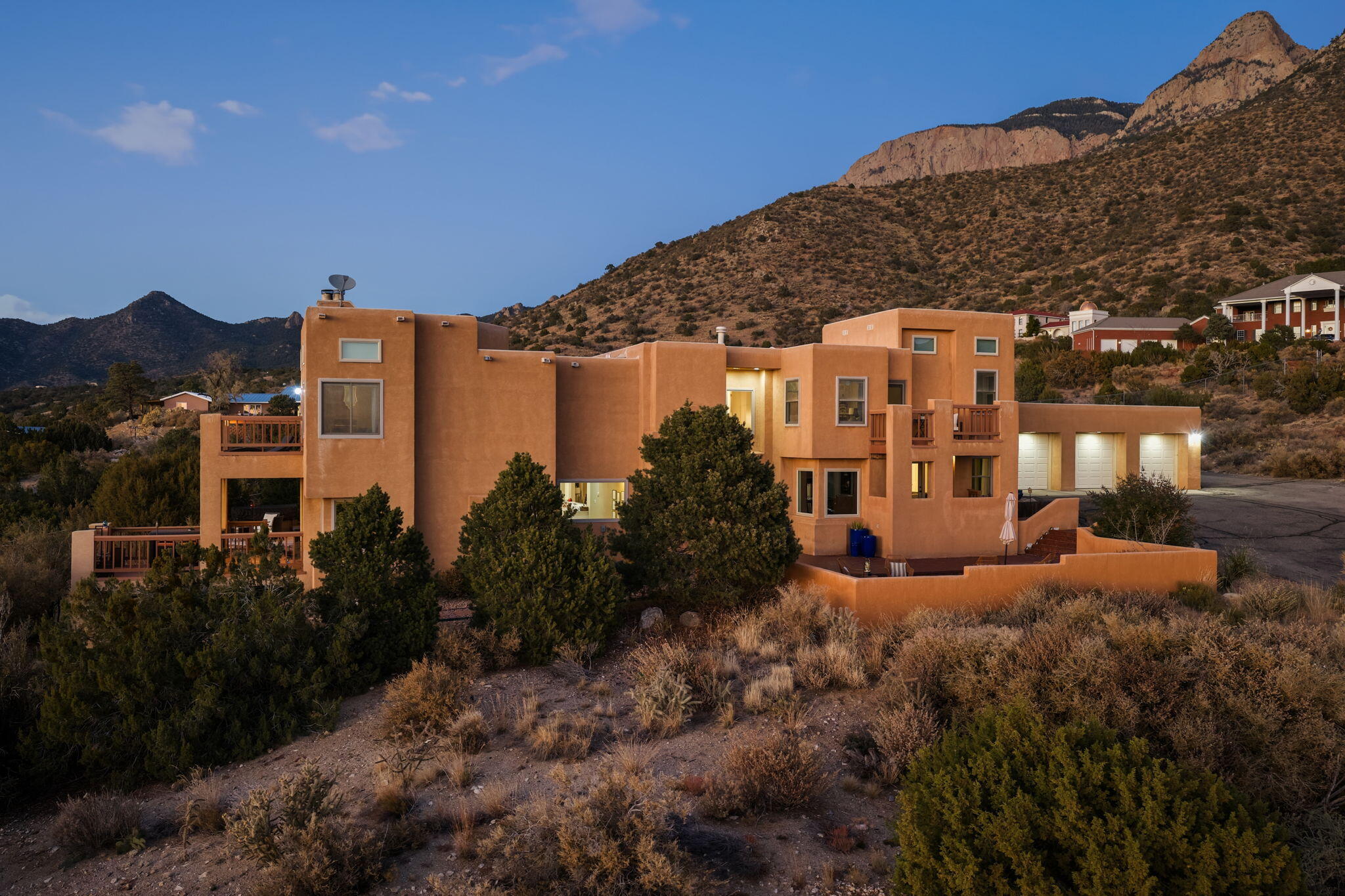
18 TIERRA MONTE STREET NE, ALBUQUERQUE, NM

Breathtaking mountain & city views distinguish this exceptional foothills estate. A rare offering, this exquisitely updated custom residence captures panoramic views from expansive windows, private balconies, & multiple outdoor living spaces. Nearly $400,000 in custom upgrades includes a 2023 designer chef's kitchen with premium appliances, custom floor-to-ceiling cabinetry, & striking quartzite surfaces. The thoughtfully designed floor plan features 4 bedrooms plus a private office overlooking the city, 3.5 baths, an elegant great room with fireplace, formal & informal dining, a theater room with tiered seating, heated workshop, and a versatile main-level secondary primary suite. Quietly situated in a premier foothills enclave, yet just minutes to I-25, Downtown, hospitals, & Sandia Labs.


GET YOUR MORNING INSPIRATION WITH THE SANDI PRESSLEY TEAM
How Much Cash Reserve Should You Have Before Investing in Real Estate in Albuquerque NM?

Thinking about investing in real estate in Albuquerque NM? One of the first questions smart investors ask is: how much cash or savings do you really need before you start? Cash reserves are crucial, not only for meeting lender requirements but also for protecting yourself against vacancies, repairs, and unexpected expenses.
Whether you’re a first-time investor or looking to expand your portfolio in Albuquerque, understanding the local reserve requirements can help you avoid costly mistakes and set yourself up for long-term success.
The Short Answer
In Albuquerque, most real estate investors start with a cash reserve that covers both the lender’s requirements and their own risk tolerance. Typically, lenders in Albuquerque require a down payment of 20 to 30 percent on investment properties, plus cash reserves that cover 6 to 9 months of expenses (including principal, interest, taxes, insurance, and any association fees).
For example, if your property’s total monthly payments are $1,500, most lenders will want to see at least $9,000 to $13,500 in reserves. Many experienced Albuquerque investors add an extra cushion for vacancies and repairs, aiming for 10 to 30 percent of annual gross rents in savings per property.

Lender Requirements for Cash Reserves in Albuquerque
• Lenders in Albuquerque require 20 to 30 percent down payments for investment properties
• You’ll also need reserves covering 6 to 9 months of PITIA (Principal, Interest, Taxes, Insurance, and Association fees)
• For example, if your PITIA is $1,500/month, that means $9,000 to $13,500 in reserves
• Sometimes, higher credit scores can result in lower reserve requirements

How Albuquerque Investors Calculate Their Starting Reserve
• Many banks prefer seeing at least six months of expenses per property in reserve
• Some investors set aside 10 to 30 percent of their annual rental revenue as a safety net
• Another approach is to save 10 percent of profits each month until you reach $10,000 to $15,000 per property
• Your exact reserve goal depends on your risk tolerance, the type of property, and whether you plan to self-manage or hire a property manager

Why Albuquerque’s Market Makes Reserves More Achievable
• Albuquerque’s affordability means lower entry costs compared to many other cities
• Lower purchase prices and strong rental demand can make it easier to build reserves while generating positive cash flow
• Investors have options ranging from single-family homes near the University of New Mexico to duplexes and vacation rentals catering to tourists

What to Factor Into Your Reserve Planning
• Always account for unexpected costs, vacancies, and emergency repairs
• If you’re hiring a property manager, include their fee (typically 8-10 percent of rent) in your expense calculations
• Detailed financial analysis should include ROI, purchase price, ongoing maintenance, and management fees

Frequently Asked Questions

Do I really need nine months of reserves, or can I get by with less?
In Albuquerque, lenders often require up to nine months’ reserves for investment properties. Some may accept six months if your credit is excellent, but more reserves increase your financial security.

Is the down payment included in my cash reserve calculation?
No. The 20-30 percent down payment is separate. Cash reserves are additional funds set aside to cover expenses after closing.

How much should I set aside for each property?
A common rule is $10,000 to $15,000 per property, or 10-30 percent of your annual gross rent, depending on rental income and your risk tolerance.

Does hiring a property manager change my reserve needs?
Yes, because property management fees reduce your cash flow. Be sure to add their fees to your expense calculations and maintain sufficient reserves.

Conclusion
Starting your real estate investment journey in Albuquerque NM means being prepared with the right amount of cash reserves. Aim for a 20-30 percent down payment, plus six to nine months of PITIA in reserves for each property. Adding a buffer for repairs or vacancies is smart, especially in today’s market. If you need help calculating your numbers or finding the right investment property in Albuquerque, reach out to the Sandi Pressley Team for expert local guidance.

Thinking about investing in real estate in Albuquerque NM? One of the first questions smart investors ask is: how much cash or savings do you really need before you start? Cash reserves are crucial, not only for meeting lender requirements but also for protecting yourself against vacancies, repairs, and unexpected expenses.

Whether you’re a first-time investor or looking to expand your portfolio in Albuquerque, understanding the local reserve requirements can help you avoid costly mistakes and set yourself up for long-term success.

The Short Answer

In Albuquerque, most real estate investors start with a cash reserve that covers both the lender’s requirements and their own risk tolerance. Typically, lenders in Albuquerque require a down payment of 20 to 30 percent on investment properties, plus cash reserves that cover 6 to 9 months of expenses (including principal, interest, taxes, insurance, and any association fees).

For example, if your property’s total monthly payments are $1,500, most lenders will want to see at least $9,000 to $13,500 in reserves. Many experienced Albuquerque investors add an extra cushion for vacancies and repairs, aiming for 10 to 30 percent of annual gross rents in savings per property.


Lender Requirements for Cash Reserves in Albuquerque

• Lenders in Albuquerque require 20 to 30 percent down payments for investment properties

• You’ll also need reserves covering 6 to 9 months of PITIA (Principal, Interest, Taxes, Insurance, and Association fees)

• For example, if your PITIA is $1,500/month, that means $9,000 to $13,500 in reserves

• Sometimes, higher credit scores can result in lower reserve requirements


How Albuquerque Investors Calculate Their Starting Reserve

• Many banks prefer seeing at least six months of expenses per property in reserve

• Some investors set aside 10 to 30 percent of their annual rental revenue as a safety net

• Another approach is to save 10 percent of profits each month until you reach $10,000 to $15,000 per property

• Your exact reserve goal depends on your risk tolerance, the type of property, and whether you plan to self-manage or hire a property manager


Why Albuquerque’s Market Makes Reserves More Achievable

• Albuquerque’s affordability means lower entry costs compared to many other cities

• Lower purchase prices and strong rental demand can make it easier to build reserves while generating positive cash flow

• Investors have options ranging from single-family homes near the University of New Mexico to duplexes and vacation rentals catering to tourists


What to Factor into Your Reserve Planning

• Always account for unexpected costs, vacancies, and emergency repairs

• If you’re hiring a property manager, include their fee (typically 8-10 percent of rent) in your expense calculations

• Detailed financial analysis should include ROI, purchase price, ongoing maintenance, and management fees


Frequently Asked Questions


Do I really need nine months of reserves, or can I get by with less?

In Albuquerque, lenders often require up to nine months’ reserves for investment properties. Some may accept six months if your credit is excellent, but more reserves increase your financial security.


Is the down payment included in my cash reserve calculation?

No. The 20-30 percent down payment is separate. Cash reserves are additional funds set aside to cover expenses after closing.


How much should I set aside for each property?

A common rule is $10,000 to $15,000 per property, or 10-30 percent of your annual gross rent, depending on rental income and your risk tolerance.


Does hiring a property manager change my reserve needs?

Yes, because property management fees reduce your cash flow. Be sure to add their fees to your expense calculations and maintain sufficient reserves.


Starting your real estate investment journey in Albuquerque NM means being prepared with the right amount of cash reserves. Aim for a 20-30 percent down payment, plus six to nine months of PITIA in reserves for each property. Adding a buffer for repairs or vacancies is smart, especially in today’s market. If you need help calculating your numbers or finding the right investment property in Albuquerque, reach out to the Sandi Pressley Team for expert local guidance.


HOT PROPERTY OF THE WEEK


8608 TIERRA ALEGRE DRIVE NE, ALBUQUERQUE, NM

Discover refined comfort & modern style in this beautifully updated home in one of Albuquerque's most desirable neighborhoods. With 5 spacious bedrooms and 3 baths, this residence is designed for both everyday living & entertaining. Step inside to find engineered hardwood floors throughout the lower level & expansive dual living areas perfect for gatherings. The remodeled kitchen features newer appliances, ample cabinetry, & an open flow to the family room for easy hosting. Upstairs, the remodeled primary suite offers a true retreat with an oversized walk-in closet & spa-inspired bathroom, combining both luxury & function. Outside, enjoy New Mexico sunshine in your private backyard oasis--complete with a sparkling pool, new custom cover, gas heater, pump, and sand filter. 

GET YOUR MORNING INSPIRATION WITH THE SANDI PRESSLEY TEAM


Pre-Approval vs. Pre-Qualification

by Sandi Pressley

What Every Albuquerque Home Buyer Needs to Know Before They Start Shopping

If you're getting ready to buy a home in Albuquerque — whether you're eyeing a classic adobe in the North Valley, a modern townhome in Nob Hill, or a spacious single-family home in Rio Rancho — there are two words you're going to hear over and over again before you ever step inside an open house: pre-qualification and pre-approval.

Most buyers assume they mean the same thing. They don't — and understanding the difference can literally determine whether your offer gets accepted in today's competitive Albuquerque market.

In this guide, we're breaking down exactly what each term means, how the processes differ, why pre-approval carries so much more weight, and why it matters right now in March 2026 as the spring buying season heats up across the Duke City.

What Is Pre-Qualification?

Pre-qualification is the most basic step in the mortgage process — think of it as a financial snapshot. It gives you a general ballpark of how much home you might be able to afford based on information you provide to a lender, typically through a short conversation or an online form.

What Lenders Ask During Pre-Qualification:

  • Your estimated annual income
  • Your general monthly expenses and existing debts
  • Your approximate credit score (self-reported)
  • How much you have available for a down payment
  • Whether you're a first-time buyer or have owned before

Based on what you share, a lender will estimate a loan amount you may qualify for. This can often be done in as little as 15–30 minutes, and many lenders offer it at no cost with no credit check required.

What Pre-Qualification Is — and Isn't

Pre-qualification is a useful starting point. It helps you understand roughly what price range to shop in and gives you a sense of your financial footing before you get emotionally invested in a home. However, it is not verified. Lenders are taking your word for the numbers. No documents are reviewed, no credit report is pulled, and no formal underwriting takes place. In the eyes of most home sellers — especially in a competitive market — a pre-qualification letter carries limited weight.

What Is Pre-Approval?

Pre-approval is a significantly deeper, more formal process. It requires you to submit an actual loan application and provide documentation that a lender will verify before issuing a conditional commitment to lend you a specific amount at a specific interest rate.

Documents Typically Required for Pre-Approval:

  • Last two years of W-2s or tax returns (including all schedules)
  • Recent pay stubs (last 30 days)
  • Last two to three months of bank and investment account statements
  • Photo ID and Social Security number
  • Information on any other real estate you own
  • Documentation of additional income sources (rental income, alimony, self-employment, etc.)
  • Explanation letters for any unusual deposits, credit inquiries, or gaps in employment
  • Gift letters if any portion of the down payment is coming from a family member

The lender will also pull a hard credit inquiry — reviewing your full credit history, payment history, outstanding balances, and debt-to-income (DTI) ratio. Once everything checks out, you'll receive a pre-approval letter stating the loan amount you're conditionally approved for, typically valid for 60–90 days.

Pre-Qualification vs. Pre-Approval: A Side-by-Side Comparison

Feature

Pre-Qualification

Pre-Approval

Documents Required

None — self-reported info only

Full financial documentation required

Credit Check

Usually none (soft or no check)

Hard credit pull required

Income Verification

No — estimate provided by borrower

Yes — verified by lender

Accuracy of Amount

Rough estimate only

Specific, conditionally committed amount

Time to Complete

15–30 minutes

1–5 business days

Seller Confidence Level

Low — carries minimal weight

High — taken seriously by sellers

Valid for How Long

N/A — informal

60–90 days typically

Cost

Usually free

Usually free (some lenders charge)

Mortgage Rate Locked In

No

Sometimes — depends on lender

Why Pre-Approval Is Essential in Today's Albuquerque Market

Albuquerque's real estate market has seen steady demand over the past several years, and as we move into the spring of 2026, buyer competition remains strong — particularly in sought-after neighborhoods like the Heights, Nob Hill, the South Valley, and communities along the Rio Grande. With inventory often tight, desirable homes in the $350,000–$600,000 range can see multiple offers within days of hitting the market.

Here's why pre-approval gives you a real competitive edge:

1. Sellers Take You Seriously

In New Mexico, as in most states, listing agents advise their seller clients to evaluate not just the offer price but the buyer's financial strength. A pre-approval letter from a reputable local lender like Centennial Bank, Century Mortgage, or any trusted ABQ-area credit union tells a seller that a lender has already vetted your finances and is ready to move forward. A pre-qualification letter is seen as little more than a wish — it offers no assurance that the financing will actually come through.

2. You Know Your Exact Budget

Instead of shopping in a vague range, pre-approval gives you a hard ceiling. This prevents the all-too-common scenario of falling in love with a home — say, a four-bedroom in Corrales or a renovated craftsman near Old Town — only to discover you can't actually qualify for that price. It saves time, heartache, and wasted energy for everyone involved.

3. You Can Move Faster When the Right Home Appears

Spring is historically the busiest real estate season in Albuquerque. When inventory is limited and demand is high, days on market can be very short. Buyers who are pre-approved can write an offer the same day they tour a home. Buyers still in the pre-qualification stage often lose out while scrambling to gather documents.

4. It Uncovers Financial Issues Early

Pre-approval is also a gift in disguise when it surfaces a problem. Maybe your credit score has a reporting error that's dragging it down, or an old collections account you forgot about is affecting your DTI ratio. Discovering this during the pre-approval stage — months before you want to close — gives you time to correct it. Discovering it after you're under contract is a much more stressful situation.

5. It Strengthens Your Negotiating Position

When multiple buyers are interested in the same property, a seller will often choose the cleaner offer — meaning fewer contingencies and a buyer who has already been financially vetted. Your pre-approval letter is a signal that your offer is low-risk. In some cases, being pre-approved can help you negotiate better terms, even if your offer isn't the highest.

The Pre-Approval Process: Step by Step

If you're ready to get pre-approved, here's what the process typically looks like from start to finish:

Step 1: Choose Your Lender

Research and select a reputable lender — ideally one familiar with Albuquerque and New Mexico-specific loan programs. Local lenders often know the nuances of the ABQ market, including NMMFA (New Mexico Mortgage Finance Authority) programs, which offer competitive rates and down payment assistance for qualifying buyers.

Step 2: Submit Your Application

Complete a formal mortgage application (often called a 1003 form). This captures detailed information about your income, assets, employment history, debts, and the property type you intend to purchase.

Step 3: Provide Documentation

Gather and submit all required financial documents. Being organized here will speed up the process considerably. Many lenders now accept digital uploads, making this easier than it used to be.

Step 4: Undergo Credit Review

The lender will pull your credit report across all three major bureaus — Equifax, Experian, and TransUnion. They will evaluate your score, payment history, outstanding balances, and any derogatory marks. Note that this hard inquiry will appear on your credit report.

Step 5: Lender Review & Underwriting

A loan officer or underwriter will review everything and calculate your debt-to-income ratio (typically lenders prefer a DTI below 43%, though some programs allow higher). They may come back with questions or requests for additional documentation.

Step 6: Receive Your Pre-Approval Letter

Once approved, you'll receive a letter stating the maximum loan amount you're conditionally approved for, the type of loan (conventional, FHA, VA, USDA, etc.), the interest rate environment at the time, and how long the pre-approval is valid (usually 60–90 days).

New Mexico Loan Programs Worth Knowing About

Albuquerque buyers have access to several loan programs that can significantly reduce costs — but most of them require pre-approval through a participating lender. Here are a few programs to discuss with your lender:

NMMFA First Home Program

The New Mexico Mortgage Finance Authority offers below-market interest rates on 30-year fixed mortgages for first-time buyers (or those who haven't owned in the past three years) who meet income and purchase price limits.

NMMFA NextHome Program

Designed for repeat buyers, this program also offers competitive rates without the first-time buyer requirement.

FHA Loans

Popular in New Mexico, FHA loans allow down payments as low as 3.5% with a credit score of 580 or above — making them accessible for many ABQ buyers. The seller can also contribute up to 6% of the purchase price toward closing costs.

VA Loans

Albuquerque has a significant military and veteran community due to proximity to Kirtland Air Force Base and Sandia National Laboratories. Eligible veterans and active-duty service members can access VA loans with no down payment required and no private mortgage insurance (PMI).

USDA Rural Development Loans

Some areas surrounding Albuquerque — including parts of Bernalillo, Sandoval, and Valencia counties — may qualify for USDA rural home loans, which also offer zero down payment options.

Common Pre-Approval Mistakes to Avoid

Don't Make Large Purchases Before Closing

Once you're pre-approved, avoid buying a new car, furniture, or any big-ticket items on credit. This can shift your DTI ratio and jeopardize your final loan approval.

Don't Change Jobs or Employment Status

Lenders want stability. Switching jobs during the home buying process — even for higher pay — can complicate things significantly. If a career change is unavoidable, consult your lender before making a move.

Don't Open New Credit Accounts

Every new credit application creates a hard inquiry, and opening new accounts changes your credit profile. Both can lower your score and affect your approval.

Don't Move Money Around Without Documentation

Large or unusual deposits into your bank accounts can raise red flags during underwriting. If you're receiving gift funds from family, make sure a proper gift letter is in place.

Don't Wait Until You Find a Home

Far too many buyers wait to get pre-approved until they've already found the home they want. By then, it's often too late — especially in a competitive market. Start the process before you even start touring homes.

The ABQ Spring Market: Why Timing Matters in March 2026

March marks the traditional start of the spring real estate season across New Mexico. As weather improves and families begin planning moves around the end of the school year, both inventory and buyer activity typically rise. In Albuquerque specifically, the spring market tends to be active across all price points — from entry-level homes in the Southeast Heights to luxury properties in the foothills communities of Sandia Heights and High Desert.

If you've been watching the market and thinking about making a move in the next few months, now is the time to start your pre-approval process — not after you find your dream home. The buyers who win in spring markets are the ones who are financially prepared before the best listings hit Zillow.

Ready to Start? The Sandi Pressley Team Can Help.

At the Sandi Pressley Team, we work with buyers at every stage of the process — whether you're just starting to explore the idea of homeownership or you're ready to write an offer tomorrow. We can connect you with trusted local lenders who understand the Albuquerque and greater New Mexico market, walk you through the pre-approval process, and make sure you're fully prepared before you ever set foot in a showing.

The bottom line? Pre-qualification is a conversation starter. Pre-approval is your ticket to the table. In today's market, you want to be at the table — not waiting outside.

Give us a call today at (505) 263-2173 or visit SandiPressley.com to get started. We'd love to help you find your place in Albuquerque.


HOT PROPERTY OF THE WEEK


18 TIERRA MONTE STREET NE, ALBUQUERQUE, NM

Rare opportunity to own an exquisite custom home designed for exceptional indoor-outdoor living. Enjoy panoramic city & mountain views from multiple decks, patios, balconies, and sun-filled windows! Nearly $400,000 in upgrades and renovations--see Seller's Renovation List for details. This four-bedroom, three-and-a-half-bath home offers a welcoming great room with fireplace, formal and casual dining, a theater room with tiered seating and surround sound, heated workshop, & a versatile main-level second primary or in-law suite. Gorgeous wood flooring graces the main level living areas. The 2023 chef's kitchen is a showstopper with premium appliances, floor-to-ceiling cabinetry, sophisticated Quartzite countertops, farmhouse sink, and island, flowing into a sunny nook.


GET YOUR MORNING INSPIRATION WITH THE SANDI PRESSLEY TEAM

5 Expensive Mistakes First-Time Buyers Make in Albuquerque's Market

by Sandi Pressley

Buying your first home in Albuquerque should be exciting, not stressful. But I've watched too many first-time buyers stumble through the process, making preventable mistakes that cost them thousands of dollars or, worse, the home they really wanted. The good news? These mistakes are completely avoidable when you know what to watch for.

Mistake #1: Falling in Love Before Doing Your Homework

I get it—you walk into a home with mountain views, updated finishes, and that perfect backyard, and suddenly you're mentally arranging furniture. But here's what happens next: you make an emotional offer without understanding the neighborhood, researching comparable sales, or checking what needs fixing. Then the inspection reveals foundation issues, the appraisal comes in low, or you discover the neighborhood doesn't match your lifestyle.

The fix? Before you even start looking at homes, get clear on your non-negotiables. Commute time. School districts. Walkability. Proximity to parks or recreation. When you know what matters, it's easier to spot when a house is trying to distract you from what doesn't work.

Mistake #2: Skipping the Pre-Approval (or Confusing It with Pre-Qualification)

In February 2026's market, sellers have options. If your offer comes in without a pre-approval letter—or worse, just a pre-qualification—it's going to the bottom of the pile. Pre-qualification is a lender's educated guess based on what you tell them. Pre-approval means they've verified your income, assets, and credit, and you're ready to close.

The difference? Pre-approval shows sellers you're serious and financially capable. In competitive situations, it can be the deciding factor between your offer and someone else's. Don't tour homes without it. Just don't.

Mistake #3: Underestimating the Cost of Homeownership

Your mortgage payment is just the beginning. Property taxes, homeowners insurance, HOA fees, utilities, maintenance, and repairs all add up quickly—and in Albuquerque, certain costs deserve special attention. Air conditioning runs hard in summer. Older homes may have evaporative coolers that need servicing or replacement. Desert landscaping requires different maintenance than traditional grass lawns, but it's not necessarily cheaper.

Here's a good rule: budget at least 1-2% of your home's purchase price annually for maintenance and repairs. So if you buy a $350,000 home, set aside $3,500-$7,000 per year. It sounds like a lot, but when the water heater goes or you need a new roof, you'll be glad that money's there.

Mistake #4: Choosing the Wrong Loan for Your Situation

Not all mortgages are created equal, and what your neighbor used might not work for you. Conventional loans work great if you have solid credit and 5-20% down. FHA loans help buyers with smaller down payments, but come with mortgage insurance that can add significantly to your monthly costs. VA loans are unbeatable for veterans, offering zero down with no PMI. USDA loans can work for properties in eligible areas outside city limits.

Your lender should explain your options and help you run the numbers. If they're pushing one product without discussing alternatives, that's a red flag. This is your biggest financial decision—make sure you understand exactly what you're signing up for.

Mistake #5: Waiving Contingencies to Compete

When multiple offers hit a hot property, some buyers panic and waive their inspection or appraisal contingencies to stand out. Don't. Albuquerque homes, especially older ones, can have hidden issues—foundation settling, outdated electrical, roofing concerns, plumbing that needs work. An inspection protects you by identifying problems before you're legally committed to buying.

Instead of waiving contingencies, compete on factors that actually matter to sellers: strong pre-approval, flexible closing timeline, clean terms, or a personal letter explaining why you love their home. These things make you attractive without putting your financial future at risk.

The Bottom Line

First-time homebuying in Albuquerque doesn't have to be complicated, but it does require doing things in the right order: get pre-approved, understand total costs, choose the right loan, hire experienced professionals, and protect yourself with proper contingencies. Skip these steps, and you're setting yourself up for stress, financial strain, or worse.

If you're ready to buy your first home in Albuquerque the right way—avoiding expensive mistakes and actually enjoying the process—let's talk. I'd rather spend the time upfront educating you properly than watch you learn these lessons the hard way.

HOT PROPERTY OF THE WEEK


7228 SPRUCE MOUNTAIN LOOP NE, RIO RANCHO, NM

Discover this beautifully laid-out 4 bedroom, 2 bathroom home offering space, comfort and views you'll never tire of. Each Bedroom is generously sized, providing flexibility for family, guests or a home office. The primary suite offers a peaceful retreat. Step outside and take in the fantastic view-the perfect backdrop for morning coffee or evening sunsets. Whether you're entertaining or simply relaxing, this home delivers the space and scenery you've been looking for. Thoughtfully designed with a built in dog door, offering convenience, independence for pets, and effortless access to outdoor space.

GET YOUR MORNING INSPIRATION WITH THE SANDI PRESSLEY TEAM
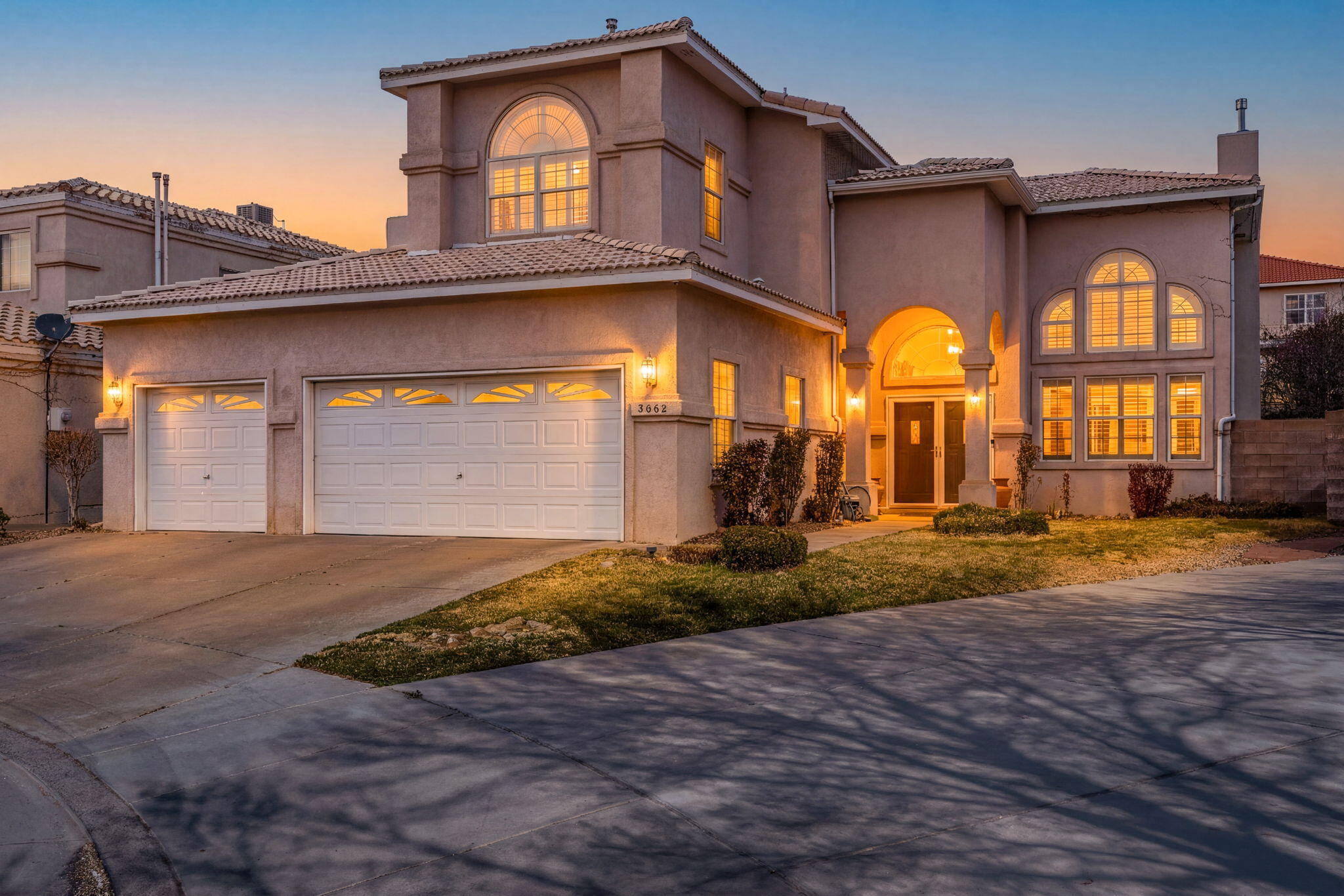
The Albuquerque housing market is shifting into a more balanced rhythm heading into 2026, and savvy buyers are taking notice. With mortgage rates easing and inventory gradually increasing, this is shaping up to be one of the best buying opportunities we've seen in years. But here's what really matters: where you buy matters just as much as when you buy.

We're watching five distinct neighborhoods capture buyer attention right now—not because they're the flashiest or most expensive, but because they offer something more valuable: the right combination of lifestyle, value, and long-term growth potential. Whether you're a first-time buyer looking for your entry point, a growing family seeking space and good schools, or someone ready to invest in a community with character, these neighborhoods deserve your attention.

1. Westside Communities: Where Affordability Meets Opportunity

The Westside—including Volcano Cliffs, Ventana Ranch, and surrounding communities—continues to be the sweet spot for buyers who want modern living without the premium price tag. Here's what makes this area tick: you're getting newer construction, contemporary floor plans, and room to breathe, often at price points that are 10-15% below the metro median.

But the real story? Volcano Cliffs has shown nearly 40% appreciation since, and the area's proximity to Petroglyph National Monument means you're living next to protected land that can never be developed. Families appreciate the newer schools and shopping accessibility along Coors Boulevard, while remote workers love the peaceful setting and quick access to I-40 for when they do need to head east. This isn't just affordable—it's smart investing in an area that's still defining itself.

2. Nob Hill: Urban Living with Actual Character

Forget cookie-cutter. Nob Hill along historic Route 66 is where Albuquerque's creative energy lives. This walkable neighborhood attracts buyers who are tired of depending on their car for every little thing. Picture this: mid-century architecture with preserved neon signs, locally-owned coffee shops and boutiques you can actually walk to, and a genuine sense of community that feels more Austin than suburban sprawl.

Young professionals and empty nesters are driving demand here because Nob Hill offers something increasingly rare—authentic urban living in a city known for its spread. The University of New Mexico sits right next door, bringing cultural events and energy, while the Albuquerque Rapid Transit system connects you to downtown and beyond. Yes, homes here often need some updating (that mid-century charm comes with quirks), but buyers see the value in location and lifestyle over square footage.

3. North Valley: New Mexico Living at Its Most Authentic

Here's where Albuquerque gets interesting. The North Valley offers something you simply can't replicate: centuries-old acequias still irrigating properties, mature cottonwoods lining the Rio Grande, and that rare combination of rural serenity just minutes from urban amenities. This is where people come when they want actual land—not just a lot—and a connection to New Mexico's agricultural heritage.

The area's acequia irrigation systems and agricultural heritage provide a lifestyle that connects people to both New Mexico's natural environment and its multicultural history. Buyers here tend to be intentional about their choice: they're seeking horses, gardens, privacy, and a slower pace without sacrificing city access. Properties vary wildly—from historic adobe homes to modern compounds—but the common thread is space, character, and a lifestyle that feels distinctly New Mexican rather than "could be anywhere" suburban.

4. Taylor Ranch: The Family-Friendly Favorite That Delivers

Sometimes trending doesn't mean flashy—it means consistently delivering what families need. Taylor Ranch has earned its reputation as Albuquerque's go-to family neighborhood for good reason: established trees and landscaping, solid schools, parks that kids actually use, and that Goldilocks pricing that's neither bargain-bin nor luxury-market.

What makes Taylor Ranch especially relevant for 2026 buyers? It represents the mid-range sweet spot in a market that's seeing strong demand at both the affordable and luxury ends. The neighborhood offers variety—townhomes for first-timers, single-family homes for growing families, and larger properties for those trading up. Shopping and dining along Coors Boulevard and Paseo del Norte keep daily life convenient, while the established community means you're buying into proven stability rather than hoping a new development pans out.

5. Northeast Heights/High Desert: Investment-Grade Living with a View

Let's talk about long-term value. The Northeast Heights—particularly High Desert and the foothills areas—represents Albuquerque's premium market, but not in a pretentious way. This is where geology, views, and thoughtful development create neighborhoods that consistently appreciate over time. High Desert has demonstrated 65% appreciation over fifteen years, with recent growth accelerating dramatically

These aren't just homes with mountain views (though the Sandias are spectacular from here)—they're communities with architectural standards, proximity to hiking trails, and that combination of privacy and accessibility that appeals to executives, professionals, and retirees who've done well and want to live accordingly. Yes, entry prices are higher, but the Northeast Heights has proven itself as Albuquerque's most resilient market through economic cycles. Buyers here are looking 10-20 years ahead, not just at today's payment.

What This Means for Your 2026 Home Search

Albuquerque's market is giving buyers breathing room we haven't seen since before the pandemic. With homes taking around 60 days to sell compared to the frenzy of 2021-2023, you can actually think through your decision rather than competing in bidding wars. That's powerful.

But here's the thing about trending neighborhoods: they're trending for a reason. Whether it's the Westside's value proposition, Nob Hill's walkable lifestyle, the North Valley's authentic character, Taylor Ranch's family-friendly reliability, or the Northeast Heights' long-term appreciation—smart buyers are moving now while they still have options and negotiating power.

Ready to explore these neighborhoods in person? The Sandi Pressley Team knows every corner of Albuquerque's market—not just the listings, but the communities, the schools, the hidden gems, and the real story behind the statistics. We're here to help you find not just a house, but the right neighborhood that matches how you actually want to live. Let's start that conversation today. Because the best time to buy in Albuquerque? That's right now—in the right place.

HOT PROPERTY OF THE WEEK


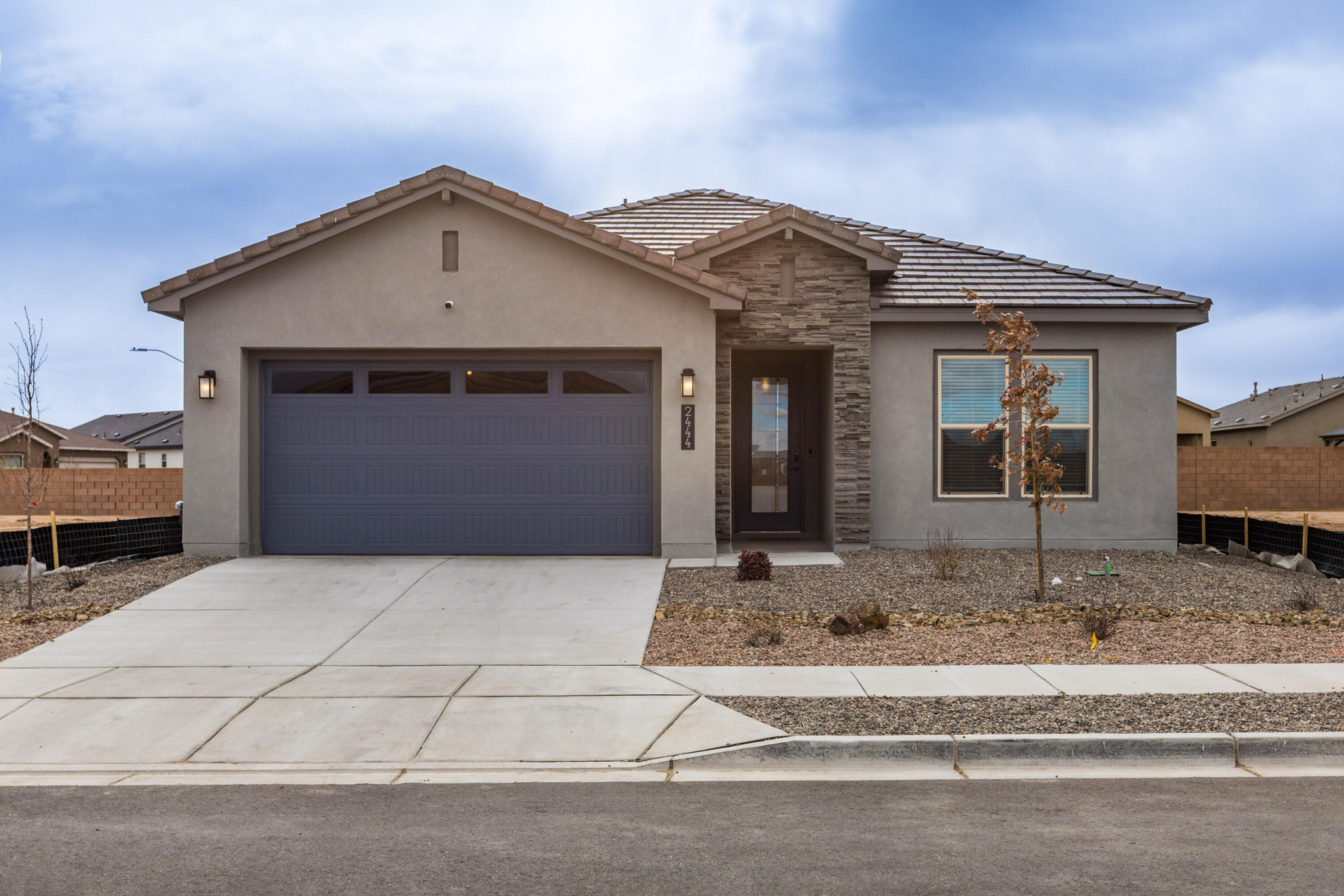
2444 MARBLE AVENUE NE, RIO RANCHO, NM 87144

Assumable FHA loan at 4.99% w/lender approval. Home includes $106K in builder upgrades! NO PID! This stunning 2025 model home (The Venice) offers 3 bedrooms, 3 bathrooms, and a 3-car garage with thoughtfully selected upgrades throughout. Designed with a modern feel, the home features 11' ceilings in the main living area, 8' interior doors, skip-trowel textured walls, and abundant natural light. The chef's kitchen is a true showstopper with Silestone countertops (including a waterfall edge), custom tile backsplash to the ceiling, upgraded cabinetry, JennAir built-in appliances, pot filler, and matte black fixtures--perfect for hosting, meal prep, and everyday cooking. 

GET YOUR MORNING INSPIRATION WITH THE SANDI PRESSLEY TEAM
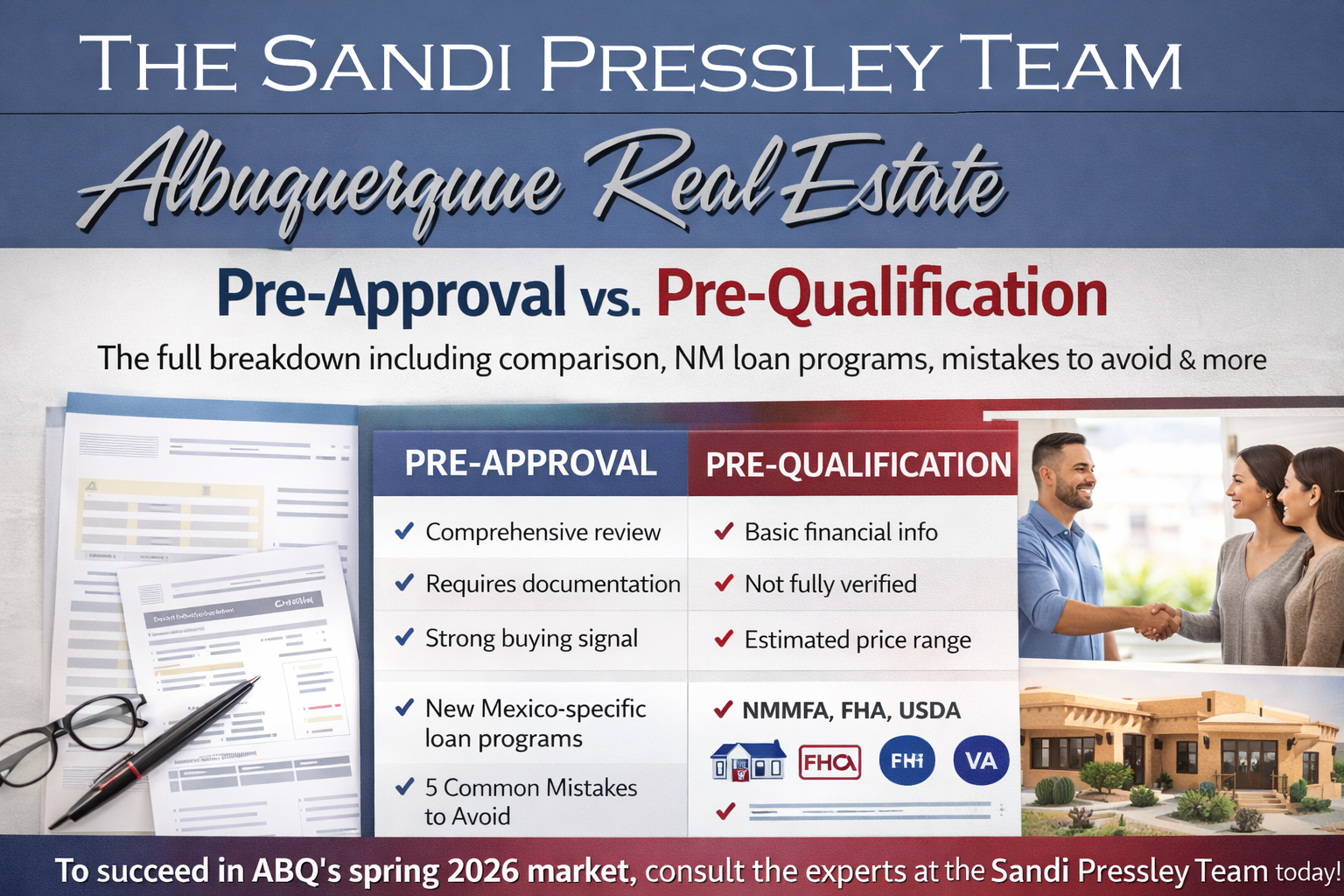
Got your pre-approval letter and immediately started searching at the top of your budget? Pause right there. That letter isn't permission to spend every dollar—it's the bank's way of saying "we'll lend you this much," not "you should borrow this much."

Here's the reality check every Albuquerque buyer needs: Your mortgage payment is just the beginning. And if you're stretching to afford it, the other costs of homeownership will knock you sideways.

Down Payment Doesn't Drain Your Savings - You need cash after closing. Emergency funds. Moving costs. That furniture that suddenly doesn't fit. Smart buyers keep 3-6 months of expenses liquid even after the down payment clears.

HOA Fees Aren't Optional - Looking at condos in Uptown or townhomes near the Journal Center? Those $200-$400 monthly HOA fees add up. Over a year, that's another $2,400-$4,800 on top of your mortgage.

PMI Adds Up Fast - Putting down less than 20%? Private Mortgage Insurance could add $100-$300 monthly to your payment. On a $350,000 home with 5% down, you're looking at roughly $200/month—that's $2,400 annually until you hit 20% equity.

Home Inspections Aren't Negotiable - Never, ever waive the home inspection to make your offer more competitive. That $400-$600 inspection could save you from inheriting someone else's $15,000 roof problem, foundation issues, or faulty electrical. In Albuquerque's older neighborhoods near UNM or Nob Hill, this is especially critical.

The Reserve Fund Rule - Keep 3-6 months of all expenses accessible. Water heater dies? AC stops working during summer? Refrigerator quits? These aren't "if" scenarios—they're "when." And if you've spent everything on your down payment and closing costs, you're stuck.

The Sandi Pressley Team helps buyers find homes they can actually afford to live in—not just qualify for. Let's find your right fit, not just your maximum spend.

HOT PROPERTY OF THE WEEK


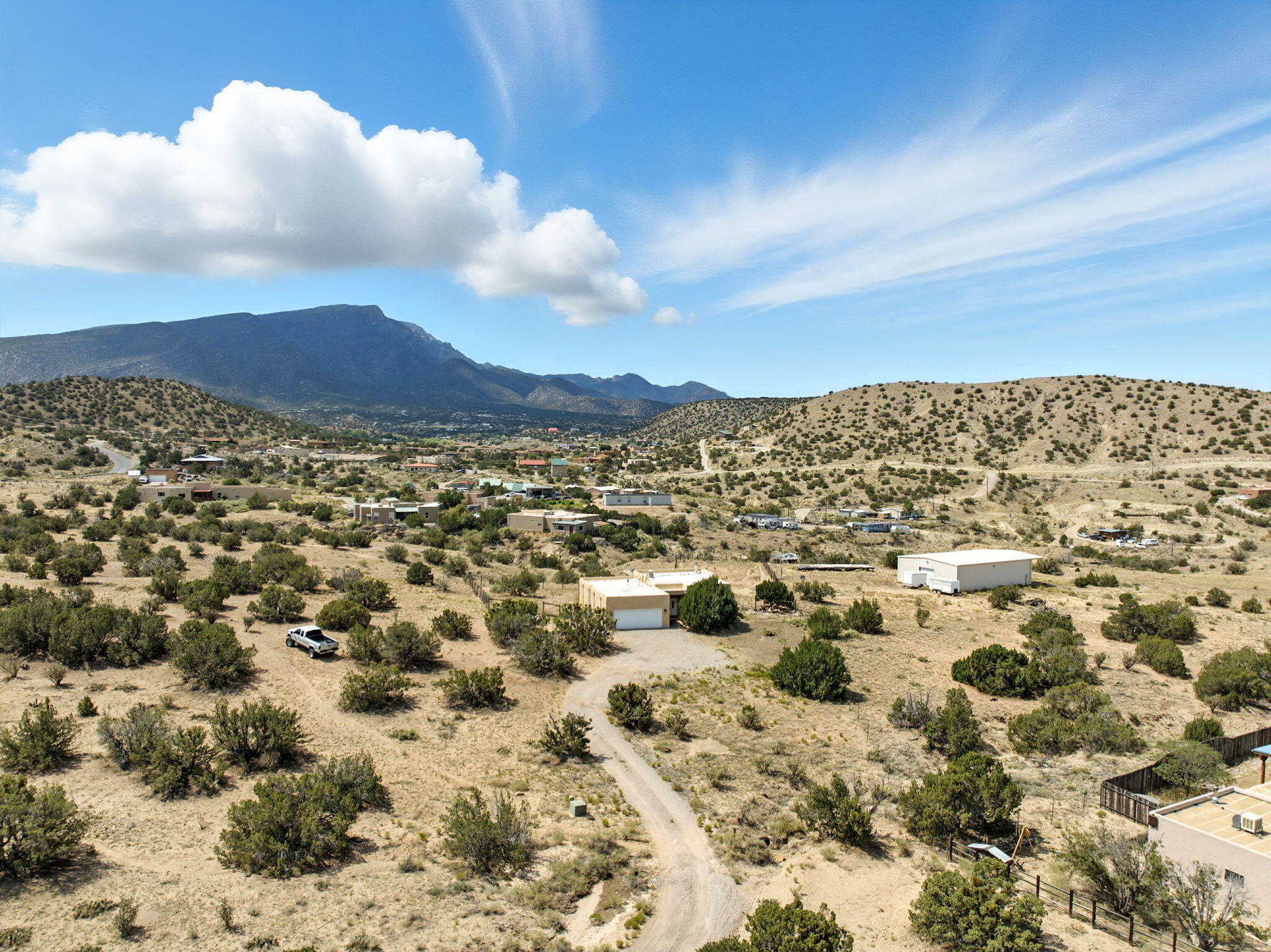
145 CAMINO DE LAS HUERTAS, PLACITAS, NM 87043

Panoramic view, stunning sunsets and incredible star gazing in the heart of Placitas, set back from the road for a private and quiet haven on 1.6 acres. **Seller offering 5K credit towards closing costs** Home offers high ceilings, skylights flooding the home with natural light, niches and archways. Open floorplan creates functional living spaces. Primary suite offers spa like bath, walk-in shower and separate soaking tub. Walk-in closet. 2nd bedroom is oversized. Efficient heating and cooling due to 3 mini split duct air systems along with baseboard heat makes the home comfortable year-round. Wood burning stove. Property line goes beyond fenced area. Freshly coated roof.

GET YOUR MORNING INSPIRATION WITH THE SANDI PRESSLEY TEAM


The Federal Reserve just wrapped up 2025 with its third consecutive rate cut, bringing the federal funds rate to 3.5%-3.75%. For Albuquerque homebuyers who've been sitting on the sidelines, this isn't just another news headline—it's a signal that 2026 might be your year to move.

But here's the thing: lower rates alone won't guarantee you find your dream home in Albuquerque. The buyers who'll succeed in this market are the ones who combine better borrowing conditions with smart preparation. Let's talk about what that actually means.

What The Rate Cut Really Means for Albuquerque Buyers

First, let's cut through the noise. The Fed's December 2025 rate cut brought rates to their lowest level since 2022. For Albuquerque homebuyers, this translates into real monthly savings—potentially hundreds of dollars on a typical Albuquerque home purchase.

On a $350,000 home (about Albuquerque's median price) with 20% down:
- At 7% interest: Your monthly payment is roughly $1,862
- At 6% interest: Your monthly payment drops to around $1,679
- That's nearly $200 per month—$2,400 per year—in your pocket instead of the bank's

But the Fed has also signaled they're taking a cautious approach for 2026, projecting only one additional rate cut. Translation: don't wait for rates to drop to 3% like they were in 2021. That's not happening. This is your window.

Get Your Financial House in Order—Like, Actually in Order

The Albuquerque market in 2026 is more forgiving than the chaos of 2022-2023, but it still rewards prepared buyers. Here's what you need locked down before you start touring homes:

Know Your Real Budget (Not the Pre-Approval Amount)

Lenders will pre-approve you for an amount that assumes you're comfortable being house-poor. Don't fall for it. Look at your actual budget:

- Your Albuquerque utility bills will be different from apartments or other cities—budget $150-250/month for a typical single-family home
- Property taxes vary wildly by neighborhood and value—they could be $150-400/month
- HOA fees if applicable—anywhere from $50-300/month depending on the community
- Maintenance costs—budget at least 1% of home value annually
- Your actual discretionary income after the mortgage and utilities

Albuquerque offers a lower cost of living than many markets, but you still need breathing room in your budget. The homes you'll love are the ones you can afford to maintain and enjoy, not the ones that leave you scrambling to pay utilities.

Get Pre-Approved Before You Start Looking

Not pre-qualified. Pre-approved. There's a difference.

In Albuquerque's current market, where homes average 46-60 days from listing to contract, you have time to find the right place. But when you do find it, you need to move. Sellers will prioritize buyers who can prove they're ready to close.

A solid pre-approval means:
- Full credit check completed
- Income verification done
- Down payment funds verified
- Debt-to-income ratio calculated
- Specific loan amount and terms confirmed

Work with a lender who knows Albuquerque's market. They'll understand things like the cost differences between neighborhoods, typical property taxes in different areas, and which loan products work best for different property types here.

Build Your Down Payment Strategy

Yes, there are still low-down-payment and even no-down-payment options. But if you can swing 10-20% down, you're in a stronger position:

- Lower monthly payments with lower interest rates
- No PMI with 20% down
- Stronger negotiating position in competitive situations
- More equity from day one

Albuquerque's median home price around $350,000 means:
- 5% down = $17,500
- 10% down = $35,000
- 20% down = $70,000

Can't hit 20%? Don't let that stop you. But know the trade-offs and make informed decisions about what works for your situation.

Understand Albuquerque's Current Market Dynamics

The market you're entering in 2026 is neither the seller's frenzy of 2021-2023 nor the buyer's paradise some people are predicting. It's... balanced. Here's what that means practically:

You Have Time (But Not Unlimited Time)

With homes averaging 46-60 days on market, you can:
- Take time for inspections without pressure
- Think overnight before making offers
- See multiple homes and make comparisons
- Do your due diligence on neighborhoods

You cannot:
- Take three weeks to decide if you like a well-priced home
- Low-ball sellers on good properties and expect them to counter
- Skip important steps like home inspections
- Assume anything that doesn't sell in two weeks is overpriced

Sellers Expect Serious Buyers

The days of "let's throw out an offer and see what happens" are mostly over. Sellers in Albuquerque right now are fielding fewer offers, but they're taking them more seriously. Your offer needs to be thoughtful:

- Based on actual comparable sales, not wishful thinking
- Accompanied by strong pre-approval, not just a pre-qualification letter
- Realistic about inspection requests (major issues yes, cosmetic preferences no)
- Respectful of the seller's timeline and situation

New Construction Timelines Have Stabilized

If you're considering new construction in areas like Mesa del Sol or the Westside, builders are working on more realistic timelines than during the supply chain chaos. But they're also being more selective about buyers. Having your financing lined up before you start the design process is non-negotiable.

The Albuquerque-Specific Factors to Consider

Some things matter more in Duke City than they would in other markets:

Summer Heat and Winter Cold

Energy efficiency isn't a luxury feature—it's essential in Albuquerque's climate. When you're touring homes:
- Ask about utility bills (sellers should provide them)
- Check insulation quality
- Look at HVAC age and type (refrigerated air vs. evaporative cooling)
- Note window quality and sun exposure

A beautiful home with single-pane windows and a 20-year-old swamp cooler will cost you significantly more to operate than a similar home with modern systems.

Water Considerations

Albuquerque is in the high desert. Water matters:
- Well water vs. city water (if looking in rural areas)
- Xeriscaping vs. high-water landscaping (affects your water bills and maintenance)
- Water rights if applicable (especially North and South Valley properties)

Location, Location, Location (But Albuquerque Style)

Consider your actual life patterns:
- Commute to Kirtland Air Force Base or Sandia Labs? East side access matters.
- Work downtown? Think about I-25 and I-40 access patterns.
- Value outdoor access? Proximity to trails, bosque, or Open Space adds daily quality of life.
- Want walkability? Nob Hill, downtown, and some UNM-adjacent areas deliver this. Most of Albuquerque doesn't.

The Schools Question

If you have or plan to have kids, school attendance zones matter. Albuquerque has excellent schools, but they're not evenly distributed. Do your homework (literally) before making offers.

timing Your Search in 2026

Here's our take on how the year will likely unfold:

Q1 (January-March):** Inventory typically builds through winter. Sellers listing now are motivated—they're not waiting for spring. You'll have good selection with less competition than later in the year.

Q2 (April-June):** Spring market brings more inventory but also more buyers. Still decent conditions, but expect more competition than Q1.

Q3 (July-September):** Albuquerque's summer heat slows the market slightly. Good time for buyers who can handle the temperature during house hunting.

Q4 (October-December):** Market slows again. Motivated sellers, less competition, but also reduced inventory.

If you're ready to buy now, don't wait for mythical "better" conditions in spring. The best time to buy is when you're financially prepared and find the right home for your needs.

Work With Someone Who Knows Albuquerque

This isn't just a pitch—it's practical advice. Albuquerque's neighborhoods, microclimates, school zones, flood zones, and property quirks vary dramatically. A home in the North Valley requires different considerations than one in High Desert or the South Valley.

You need someone who can:
- Tell you which neighborhoods are appreciating and which are stagnant
- Spot potential issues specific to Albuquerque homes (foundation concerns, drainage, etc.)
- Navigate local quirks in the buying process
- Connect you with inspectors, lenders, and other professionals who know our market
- Advocate effectively for you in negotiations

The Bottom Line

The Fed's rate cuts have created an opportunity for Albuquerque homebuyers in 2026, but opportunities still require preparation. Get your finances organized, understand what you can truly afford, learn Albuquerque's market dynamics, and work with people who know what they're doing.

The homebuyers who'll win in 2026 won't be the ones who waited for perfect conditions (they're not coming) or rushed in unprepared (that rarely ends well). They'll be the ones who combined improved interest rates with solid preparation and patience to find the right home at the right price.

Ready to start preparing for your Albuquerque home purchase? Let's talk about what being truly prepared looks like for your specific situation and timeline.


The Sandi Pressley Team has guided hundreds of Albuquerque buyers through every kind of market condition. Contact us for a buyer consultation that covers not just homes for sale, but the preparation strategies that actually lead to successful purchases.


HOT PROPERTY OF THE WEEK

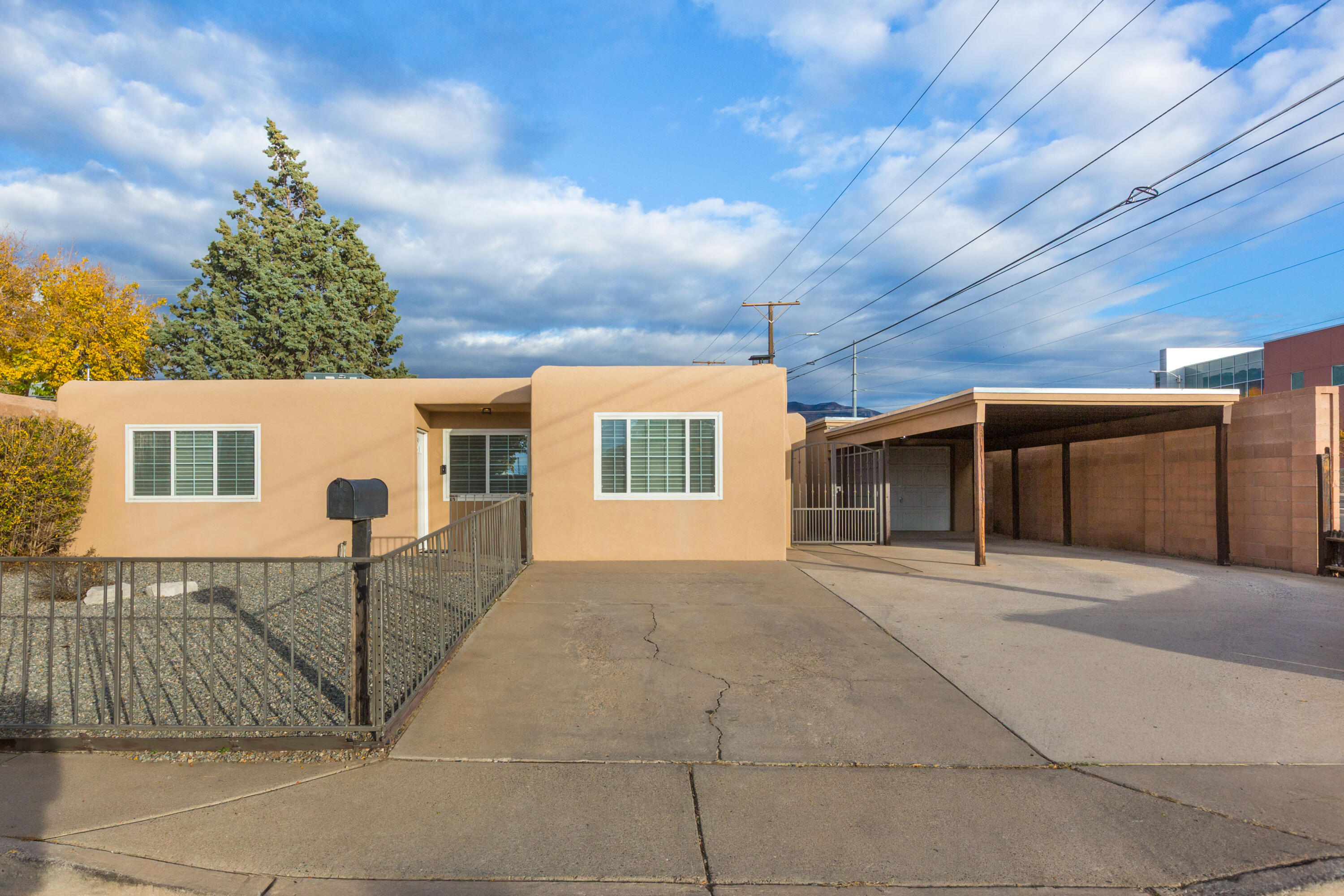
4500 Norma Drive NE, Albuquerque, NM 87109


Remodeled NE Heights home with two living areas and a versatile detached ~(incl in total sf) 373 sf studio--perfect for guests, home office, gym, or creative space. Truly move-in ready, this home blends modern comfort with everyday practicality, featuring refrigerated air plus a freshly painted interior and new carpet. The thoughtfully updated kitchen offers granite counter tops, shaker cabinetry with abundant storage, and stainless steel appliances; washer and dryer convey. The floor plan provides comfortable gathering areas with good flow between living spaces, dining, and kitchen--ideal for everyday living, entertaining, or quiet nights in. Central location close to shopping, dining, parks, and commuter routes--everything you need within minutes.


GET YOUR MORNING INSPIRATION WITH THE SANDI PRESSLEY TEAM


The Federal Reserve just wrapped up 2025 with its third consecutive rate cut, bringing the federal funds rate to 3.5%-3.75%. For Albuquerque homebuyers who've been sitting on the sidelines, this isn't just another news headline—it's a signal that 2026 might be your year to move.

But here's the thing: lower rates alone won't guarantee you find your dream home in Albuquerque. The buyers who'll succeed in this market are the ones who combine better borrowing conditions with smart preparation. Let's talk about what that actually means.

What The Rate Cut Really Means for Albuquerque Buyers

First, let's cut through the noise. The Fed's December 2025 rate cut brought rates to their lowest level since 2022. For Albuquerque homebuyers, this translates into real monthly savings—potentially hundreds of dollars on a typical Albuquerque home purchase.

On a $350,000 home (about Albuquerque's median price) with 20% down:
- At 7% interest: Your monthly payment is roughly $1,862
- At 6% interest: Your monthly payment drops to around $1,679
- That's nearly $200 per month—$2,400 per year—in your pocket instead of the bank's

But the Fed has also signaled they're taking a cautious approach for 2026, projecting only one additional rate cut. Translation: don't wait for rates to drop to 3% like they were in 2021. That's not happening. This is your window.

Get Your Financial House in Order—Like, Actually in Order

The Albuquerque market in 2026 is more forgiving than the chaos of 2022-2023, but it still rewards prepared buyers. Here's what you need locked down before you start touring homes:

Know Your Real Budget (Not the Pre-Approval Amount)

Lenders will pre-approve you for an amount that assumes you're comfortable being house-poor. Don't fall for it. Look at your actual budget:

- Your Albuquerque utility bills will be different from apartments or other cities—budget $150-250/month for a typical single-family home
- Property taxes vary wildly by neighborhood and value—they could be $150-400/month
- HOA fees if applicable—anywhere from $50-300/month depending on the community
- Maintenance costs—budget at least 1% of home value annually
- Your actual discretionary income after the mortgage and utilities

Albuquerque offers a lower cost of living than many markets, but you still need breathing room in your budget. The homes you'll love are the ones you can afford to maintain and enjoy, not the ones that leave you scrambling to pay utilities.

Get Pre-Approved Before You Start Looking

Not pre-qualified. Pre-approved. There's a difference.

In Albuquerque's current market, where homes average 46-60 days from listing to contract, you have time to find the right place. But when you do find it, you need to move. Sellers will prioritize buyers who can prove they're ready to close.

A solid pre-approval means:
- Full credit check completed
- Income verification done
- Down payment funds verified
- Debt-to-income ratio calculated
- Specific loan amount and terms confirmed

Work with a lender who knows Albuquerque's market. They'll understand things like the cost differences between neighborhoods, typical property taxes in different areas, and which loan products work best for different property types here.

Build Your Down Payment Strategy

Yes, there are still low-down-payment and even no-down-payment options. But if you can swing 10-20% down, you're in a stronger position:

- Lower monthly payments with lower interest rates
- No PMI with 20% down
- Stronger negotiating position in competitive situations
- More equity from day one

Albuquerque's median home price around $350,000 means:
- 5% down = $17,500
- 10% down = $35,000
- 20% down = $70,000

Can't hit 20%? Don't let that stop you. But know the trade-offs and make informed decisions about what works for your situation.

Understand Albuquerque's Current Market Dynamics

The market you're entering in 2026 is neither the seller's frenzy of 2021-2023 nor the buyer's paradise some people are predicting. It's... balanced. Here's what that means practically:

You Have Time (But Not Unlimited Time)

With homes averaging 46-60 days on market, you can:
- Take time for inspections without pressure
- Think overnight before making offers
- See multiple homes and make comparisons
- Do your due diligence on neighborhoods

You cannot:
- Take three weeks to decide if you like a well-priced home
- Low-ball sellers on good properties and expect them to counter
- Skip important steps like home inspections
- Assume anything that doesn't sell in two weeks is overpriced

Sellers Expect Serious Buyers

The days of "let's throw out an offer and see what happens" are mostly over. Sellers in Albuquerque right now are fielding fewer offers, but they're taking them more seriously. Your offer needs to be thoughtful:

- Based on actual comparable sales, not wishful thinking
- Accompanied by strong pre-approval, not just a pre-qualification letter
- Realistic about inspection requests (major issues yes, cosmetic preferences no)
- Respectful of the seller's timeline and situation

New Construction Timelines Have Stabilized

If you're considering new construction in areas like Mesa del Sol or the Westside, builders are working on more realistic timelines than during the supply chain chaos. But they're also being more selective about buyers. Having your financing lined up before you start the design process is non-negotiable.

The Albuquerque-Specific Factors to Consider

Some things matter more in Duke City than they would in other markets:

Summer Heat and Winter Cold

Energy efficiency isn't a luxury feature—it's essential in Albuquerque's climate. When you're touring homes:
- Ask about utility bills (sellers should provide them)
- Check insulation quality
- Look at HVAC age and type (refrigerated air vs. evaporative cooling)
- Note window quality and sun exposure

A beautiful home with single-pane windows and a 20-year-old swamp cooler will cost you significantly more to operate than a similar home with modern systems.

Water Considerations

Albuquerque is in the high desert. Water matters:
- Well water vs. city water (if looking in rural areas)
- Xeriscaping vs. high-water landscaping (affects your water bills and maintenance)
- Water rights if applicable (especially North and South Valley properties)

Location, Location, Location (But Albuquerque Style)

Consider your actual life patterns:
- Commute to Kirtland Air Force Base or Sandia Labs? East side access matters.
- Work downtown? Think about I-25 and I-40 access patterns.
- Value outdoor access? Proximity to trails, bosque, or Open Space adds daily quality of life.
- Want walkability? Nob Hill, downtown, and some UNM-adjacent areas deliver this. Most of Albuquerque doesn't.

The Schools Question

If you have or plan to have kids, school attendance zones matter. Albuquerque has excellent schools, but they're not evenly distributed. Do your homework (literally) before making offers.

timing Your Search in 2026

Here's our take on how the year will likely unfold:

Q1 (January-March):** Inventory typically builds through winter. Sellers listing now are motivated—they're not waiting for spring. You'll have good selection with less competition than later in the year.

Q2 (April-June):** Spring market brings more inventory but also more buyers. Still decent conditions, but expect more competition than Q1.

Q3 (July-September):** Albuquerque's summer heat slows the market slightly. Good time for buyers who can handle the temperature during house hunting.

Q4 (October-December):** Market slows again. Motivated sellers, less competition, but also reduced inventory.

If you're ready to buy now, don't wait for mythical "better" conditions in spring. The best time to buy is when you're financially prepared and find the right home for your needs.

Work With Someone Who Knows Albuquerque

This isn't just a pitch—it's practical advice. Albuquerque's neighborhoods, microclimates, school zones, flood zones, and property quirks vary dramatically. A home in the North Valley requires different considerations than one in High Desert or the South Valley.

You need someone who can:
- Tell you which neighborhoods are appreciating and which are stagnant
- Spot potential issues specific to Albuquerque homes (foundation concerns, drainage, etc.)
- Navigate local quirks in the buying process
- Connect you with inspectors, lenders, and other professionals who know our market
- Advocate effectively for you in negotiations

The Bottom Line

The Fed's rate cuts have created an opportunity for Albuquerque homebuyers in 2026, but opportunities still require preparation. Get your finances organized, understand what you can truly afford, learn Albuquerque's market dynamics, and work with people who know what they're doing.

The homebuyers who'll win in 2026 won't be the ones who waited for perfect conditions (they're not coming) or rushed in unprepared (that rarely ends well). They'll be the ones who combined improved interest rates with solid preparation and patience to find the right home at the right price.

Ready to start preparing for your Albuquerque home purchase? Let's talk about what being truly prepared looks like for your specific situation and timeline.


The Sandi Pressley Team has guided hundreds of Albuquerque buyers through every kind of market condition. Contact us for a buyer consultation that covers not just homes for sale, but the preparation strategies that actually lead to successful purchases.


HOT PROPERTY OF THE WEEK

4500 Norma Drive NE, Albuquerque, NM 87109


Remodeled NE Heights home with two living areas and a versatile detached ~(incl in total sf) 373 sf studio--perfect for guests, home office, gym, or creative space. Truly move-in ready, this home blends modern comfort with everyday practicality, featuring refrigerated air plus a freshly painted interior and new carpet. The thoughtfully updated kitchen offers granite counter tops, shaker cabinetry with abundant storage, and stainless steel appliances; washer and dryer convey. The floor plan provides comfortable gathering areas with good flow between living spaces, dining, and kitchen--ideal for everyday living, entertaining, or quiet nights in. Central location close to shopping, dining, parks, and commuter routes--everything you need within minutes.


GET YOUR MORNING INSPIRATION WITH THE SANDI PRESSLEY TEAM



Every seller asks me the same question: "What should I update before listing?" And every time, I wish I could show them exactly what today's Albuquerque buyers are searching for—because it's not always what you'd think.

With median prices hovering between $340,000 and $358,000 and buyers having more inventory to choose from than they did a year ago, the homes that stand out share some specific features. Let me break down what's actually moving the needle in our market right now.

Energy Efficiency Isn't Just a Buzzword—It's a Deal Maker

With New Mexico's intense sun and fluctuating temperatures, buyers are getting seriously savvy about utility costs. The homes flying off the market right now? They've got newer HVAC systems, good insulation, and often solar panels or at least solar readiness.

I recently worked with a buyer who passed on a gorgeous home because the heating system was original from 1995. They found a slightly smaller place with a new heat pump, solar panels, and modern windows—and paid $15,000 more for it without blinking. That tells you everything you need to know.

If you're selling, having documentation of your utility costs for the past year is gold. Buyers want to know what they're really paying beyond the mortgage, and if you can show them your $60 winter electric bill, you've just addressed their biggest concern before they even asked.

Outdoor Living Space That Actually Functions

This is Albuquerque. We live outside as much as possible. But buyers aren't just looking for a backyard—they want a backyard they can use.

That means covered patios (essential for both sun and our occasional afternoon thunderstorms), built-in grills or outdoor kitchens, and landscaping that doesn't require selling a kidney to water. Xeriscaping isn't just trendy here; it's practical. Homes with established, drought-tolerant landscapes are getting multiple offers.

And here's a secret: even a small courtyard beats a large, neglected yard every single time. Buyers would rather have 300 square feet of beautiful, usable space than half an acre of dirt and tumbleweeds.

Storage, Storage, and More Storage

I cannot emphasize this enough. Albuquerque buyers are obsessed with storage. Walk-in closets, pantries, garage storage systems, extra rooms that can be offices or gyms—these features are non-negotiable for many buyers.

We live in a city where people have outdoor gear (hiking, biking, skiing), we host family from out of state, and we generally have stuff. Homes with clever storage solutions or built-in organization systems are commanding premium prices.

Even simple additions make a difference. I've seen sellers add closet organizers from Costco for $200 and have buyers call out the "amazing storage" in their reviews. It's the easiest value-add you can do.

Updated Kitchens (But Here's the Twist)

Yes, kitchens matter. But you don't need to gut yours and install Italian marble. What buyers want is functional and clean. Appliances that work well and look cohesive. Countertops that aren't cracked or stained. Decent cabinet faces.

The homes sitting on the market? They've got harvest gold appliances from 1978 or that one random new stainless fridge that makes the rest of the kitchen look worse. If you can't afford a full remodel, even painting cabinets, adding new hardware, and replacing old appliances can transform the space.

And here's what's trending: open concepts are still popular, but buyers also love a good pantry. If your kitchen opens to your living space AND has a walk-in pantry? You've just made someone's dream come true.

Modern, Updated Bathrooms

Nobody wants to scrub tile grout that's older than they are. Bathrooms don't need to be spa-like luxury zones, but they need to feel clean and updated.

Walk-in showers are huge right now—particularly for our aging-in-place buyers and younger folks who don't take baths. Dual sinks in the primary bathroom. Good lighting. If your bathroom still has wallpaper borders and brass fixtures from the '90s, you're losing buyers in the first five minutes of the showing.

Smart Home Features (Within Reason)

Buyers love the idea of smart thermostats, doorbell cameras, and keyless entry. They don't need a house that looks like a tech showroom, but these affordable additions signal that the home is modern and well-maintained.

I've also noticed buyers get excited about pre-wired ethernet or strong WiFi infrastructure. We're all working from home at least some of the time, and nobody wants to discover their new home office is a dead zone.

What Buyers Don't Care About (Save Your Money)

Here's what won't recoup your investment: expensive tile work in low-traffic areas, high-end appliances in lower-priced homes, swimming pools (they're actually a liability for many buyers), and overly personalized features like elaborate themed rooms.

Also, pristine white everything looks great in photos but terrifies buyers with kids or pets. A warm, neutral palette with some character beats sterile perfection every time.

The Features That Surprise Sellers

Want to know what buyers specifically mentioned in the last three contracts I wrote? Level front yards (Albuquerque's hills can make for challenging driveways), ceiling fans in every room (our afternoon heat is real), and actual parking space in the garage (not just a storage unit with a garage door).

One buyer fell in love with a house specifically because it had a mudroom near the garage entrance. Not a fancy mudroom—just a small space with hooks and a bench. That tiny feature sealed a $365,000 deal.

Making Strategic Updates

If you're preparing to sell, focus on these impact areas in this order:

  1. Fix anything that's broken (leaky faucets, cracked tiles, doors that stick)
  2. Deep clean everything, especially kitchens and bathrooms
  3. Update lighting fixtures (this is shockingly affordable and effective)
  4. Paint in neutral, warm tones
  5. Add or improve storage solutions
  6. Address your landscaping (curb appeal is still king)

The homes winning in our market right now aren't necessarily the newest or most expensive. They're the ones that make buyers feel like they could move in tomorrow and start living their lives. They're functional, efficient, and ready to handle Albuquerque's unique lifestyle.

And if you're not sure where to start? Let's walk through your home together. We can tell you exactly what buyers will love and what might need attention before you list.

HOT PROPERTY OF THE WEEK:

9820 Benton Street NW, Albuquerque, NM 87114


A stunner! Beautifully appointed custom home w/views of the mountains & city lights! Private gated entry, cozy great room w/stacked stone fireplace & natural light! Radiant heat & furnace & refrig air & hot water recirc pump! Gourmet kitchen w/wood cabinetry, Sub-Zero fridge, gas cooktop, built-in wall oven & microwave, large island w/sink. Upstairs primary suite has a separate sitting area, private balcony and view deck! Two secondary bdrs w/Jack & Jill bath on the main level; perfect for visitors or offices. Gorgeous backyard has a covered patio, lovely fountain, lush grass side yard, mature trees & shrubs & garden area. 2.5 Car garage has room for a workshop and storage. Great location, close to parks, schools & shopping!


GET YOUR MORNING INSPIRATION WITH THE SANDI PRESSLEY TEAM!

Displaying blog entries 1-10 of 220

Syndication

Categories

Archives

Contact Information

Photo of The Sandi Pressley Team Real Estate
The Sandi Pressley Team
Coldwell Banker Legacy
10400 Academy Rd. NE Suite 100
Albuquerque NM 87111
505-980-2999
505-263-2173 / 505 293-3700
Fax: 505-212-0729

Quick links to this site are also SandiSells.net or SandiSellsHomes.com