Real Estate Information Archive

Blog

Displaying blog entries 1-10 of 41

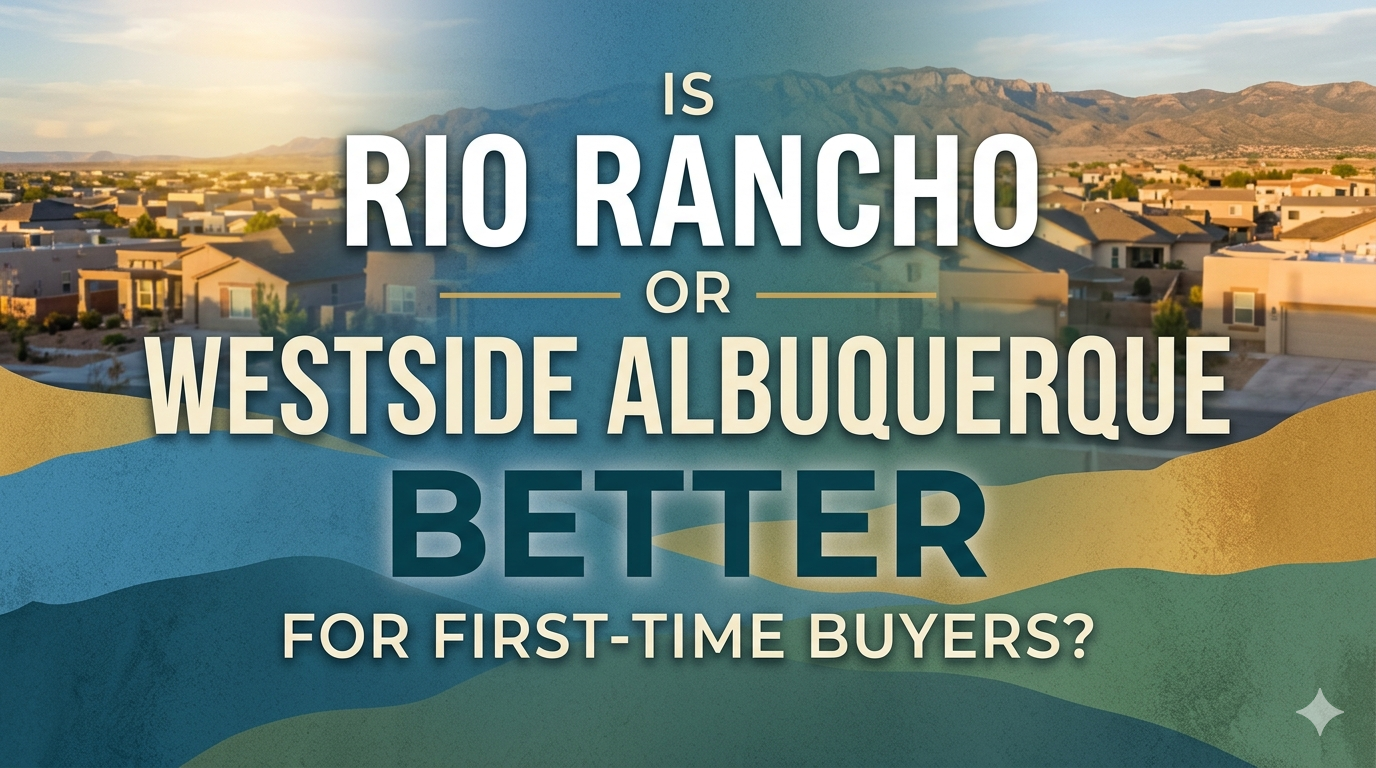
This is one of those decisions that seems simple at first—but the more you look into it, the more nuanced it becomes.

Rio Rancho and the Westside of Albuquerque are often grouped together because they both offer relatively affordable entry points into the market. But once you start paying attention to how each area actually feels to live in, the differences become much more significant.

And those differences matter—not just for the purchase itself, but for how your day-to-day life will look after you move in.


Why This Choice Feels So Close (But Isn’t)

On paper, these two areas can look very similar.

You’ll often find comparable price points. Both are popular with first-time buyers. Both offer a range of single-family homes. And both are growing.

But what doesn’t show up in a listing search is how differently they function in real life.

The decision usually comes down to one core trade-off:

Do you want more space and newer construction… or better access and convenience?

Once you frame it that way, everything starts to make more sense.


What Stands Out About Rio Rancho

Rio Rancho tends to draw buyers in for one primary reason: what you get for the money.

There’s a noticeable difference in the type of homes you’ll find. Many of the neighborhoods are newer, which shows up in the layouts, finishes, and overall feel of the properties. Open-concept designs, larger kitchens, higher ceilings, and more functional floorplans are common.

For buyers who don’t want to immediately take on updates or renovations, that’s a big advantage. There’s a level of “move-in ready” that feels easier and more predictable.

Space is another factor that consistently comes up. It’s often possible to get more square footage, more bedrooms, or even a larger lot compared to similarly priced homes on the Westside. That flexibility can matter if you’re thinking ahead—whether that’s working from home, growing into the space, or simply wanting more room to spread out.

There’s also a noticeable shift in pace. Rio Rancho feels more spread out and quieter overall. For some buyers, that’s exactly what they’re looking for—a little separation from the busier parts of Albuquerque.


Where Rio Rancho Can Become Challenging

That extra space and newer construction don’t come without trade-offs.

The biggest one is location.

Depending on where you work, commute times can become a factor pretty quickly. Getting into central Albuquerque or other parts of the city can take longer, especially during peak traffic hours. It’s not necessarily a deal-breaker, but it is something that tends to matter more after you’ve lived it for a few weeks—not just thought about it on paper.

There’s also the reality of daily convenience. Running errands, meeting friends, or heading out for dinner may involve more driving compared to being closer into the city.

For buyers who value efficiency and access, this is often where hesitation starts to show up.


What Makes the Westside of Albuquerque Different

The Westside offers a different kind of balance—one that leans more toward accessibility and connection to the rest of the city.

You’re generally closer to major roads, employment areas, and established parts of Albuquerque. That proximity tends to make everyday routines feel easier. Commutes are often shorter. Getting across town is more manageable. And there’s usually less planning involved in simple things like grabbing groceries or meeting someone for coffee.

Over time, that convenience adds up in a way many buyers don’t fully appreciate until after they’ve moved.

There’s also more variety in the housing itself. Instead of large areas of newer construction, the Westside includes a mix of home ages, styles, and price points. That gives buyers more options—but it also requires a bit more attention when evaluating condition and long-term maintenance.


Where the Westside Requires Compromise

The trade-offs here tend to show up in the homes themselves.

Compared to Rio Rancho, you may notice that:

  • Homes can be smaller for the same price
  • Layouts may feel more segmented or dated
  • Updates or improvements may be needed sooner

For buyers who are focused on having everything new and turnkey, this can feel like a step backward.

But for buyers who prioritize location and daily convenience, those compromises often feel worth it.


How This Decision Actually Plays Out

What’s interesting is that most buyers don’t struggle with this decision because they lack information—they struggle because both options are good, just in different ways.

When someone chooses Rio Rancho, it’s usually because they’ve decided that space, newer construction, and a quieter environment matter most.

When someone chooses the Westside, it’s typically because time, convenience, and proximity carry more weight.

Neither group is wrong. They’re just optimizing for different lifestyles.


The Turning Point for Most Buyers

There’s usually a moment in the process where things become clear.

It’s not when you compare listings—it’s when you start imagining your actual routine.

How long will it take to get to work every day?
How often will you be driving across town?
Do you want your home to feel like a retreat, or a central hub?

Once those questions have honest answers, the decision tends to make itself.


Common Mistakes That Make This Harder Than It Needs to Be

One of the biggest mistakes buyers make is focusing too heavily on the house and not enough on the lifestyle.

It’s easy to get pulled toward a bigger or newer home without fully thinking through how the location will affect your day-to-day life.

Another common issue is underestimating commute fatigue. What feels manageable during a weekend showing can feel very different when it becomes part of your daily routine.

There’s also a tendency to assume that one area is objectively “better.” In reality, it’s almost always about alignment—not superiority.


So… Which One Is Actually Better?

The honest answer is that “better” depends entirely on what matters most to you.

Rio Rancho tends to win when:

  • You want more space
  • You prefer newer homes
  • You value a quieter, more suburban feel

The Westside tends to win when:

  • You want shorter commutes
  • You value convenience and access
  • You prefer being closer to the center of activity

Once you’re clear on which of those matters more, the choice usually becomes straightforward.


Final Thoughts

This decision isn’t really about comparing two locations—it’s about choosing the version of daily life you want to step into.

Both Rio Rancho and the Westside can be great options for first-time buyers. The key is understanding how each one fits into your routine, not just your budget.

The Sandi Pressley Team is a real estate team in Albuquerque, NM helping first-time buyers navigate location decisions so they can choose the area that truly fits their lifestyle.

HOT PROPERTY OF THE WEEK


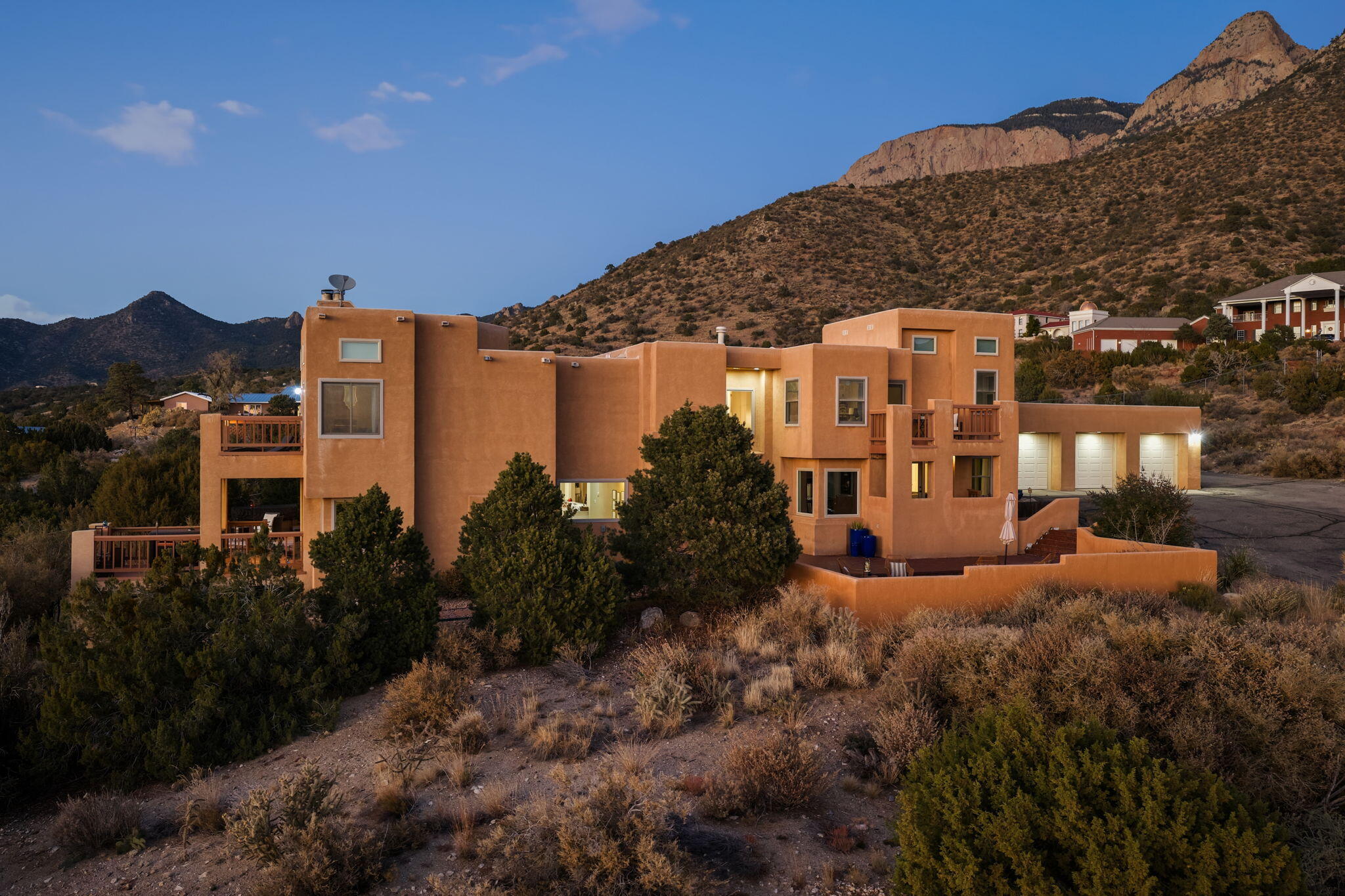
18 TIERRA MONTE STREET NE, ALBUQUERQUE, NM

Breathtaking mountain & city views distinguish this exceptional foothills estate. A rare offering, this exquisitely updated custom residence captures panoramic views from expansive windows, private balconies, & multiple outdoor living spaces. Nearly $400,000 in custom upgrades includes a 2023 designer chef's kitchen with premium appliances, custom floor-to-ceiling cabinetry, & striking quartzite surfaces. The thoughtfully designed floor plan features 4 bedrooms plus a private office overlooking the city, 3.5 baths, an elegant great room with fireplace, formal & informal dining, a theater room with tiered seating, heated workshop, and a versatile main-level secondary primary suite. Quietly situated in a premier foothills enclave, yet just minutes to I-25, Downtown, hospitals, & Sandia Labs.


GET YOUR MORNING INSPIRATION WITH THE SANDI PRESSLEY TEAM

If you’re getting ready to sell your home in Albuquerque, it’s completely normal to start wondering what you should fix, update, or improve before putting it on the market. For a lot of homeowners, this is where things start to feel overwhelming. It can seem like you need to renovate everything just to compete, especially when you see beautifully updated homes online.

But here’s the reality most sellers don’t hear often enough: you don’t need a fully remodeled home to sell successfully. In fact, in many cases, trying to “do everything” ends up costing more money without actually improving your outcome.

What buyers in Albuquerque are really responding to isn’t perfection. It’s how a home feels the moment they walk through the door.


What Buyers Actually Notice First

When buyers enter a home, their reaction happens faster than most sellers expect. Within the first few minutes, they’re already forming an opinion—not just about the property itself, but about how well it’s been cared for.

It’s rarely one big feature that determines this. Instead, it’s the overall impression. Does the home feel clean? Does it feel maintained? Does it feel like something they could move into without immediately taking on a list of projects?

In Albuquerque, where buyers are often balancing lifestyle, climate, and practicality, that feeling matters even more. A home that feels bright, open, and easy to live in will almost always outperform one that has expensive upgrades but still feels neglected in smaller ways.


Why Simple Updates Often Win

There’s a common assumption that bigger upgrades equal better results. But in practice, smaller, more thoughtful improvements tend to create a stronger impact.

Fresh paint is one of the clearest examples of this. A home with clean, neutral walls immediately feels more current and more inviting. It also helps buyers mentally “move in,” because they aren’t distracted by bold or personalized color choices. In Albuquerque, where natural light is a big part of how homes are experienced, lighter tones can make spaces feel noticeably larger and more open.

The same idea applies to cleanliness, although it’s often underestimated. A truly deep-cleaned home sends a message that goes beyond appearance. It signals that the home has been taken care of over time. Buyers may not consciously think about baseboards, grout, or window tracks, but they absolutely notice when those details are neglected—and it changes how they perceive everything else.

Lighting is another subtle but powerful factor. Outdated fixtures or dim spaces can make a home feel older than it actually is. On the other hand, updated lighting and consistent brightness throughout the home can completely change the atmosphere. It’s one of those updates that doesn’t require a major investment but can significantly improve how the home is experienced.


The Role of Outdoor Space in Albuquerque

One area where Albuquerque stands out compared to many other markets is outdoor space. Buyers here tend to pay close attention to how exterior areas are set up, not necessarily for luxury, but for practicality and ease of maintenance.

A clean, well-kept yard—especially one designed with xeriscaping in mind—can be a major advantage. It reflects an understanding of the local environment and signals that the home won’t require excessive upkeep. Even small touches, like a tidy entryway or a defined outdoor sitting area, can help buyers picture themselves using the space.

This doesn’t mean you need to invest heavily in landscaping. In most cases, it’s about creating a sense of order and intentionality rather than adding complexity.


Where Sellers Often Overspend

One of the biggest misconceptions in real estate is that major renovations will automatically lead to a higher sale price. While that can be true in certain situations, it’s far from guaranteed—and in many cases, it doesn’t play out that way.

Kitchen remodels are a perfect example. They’re expensive, time-consuming, and highly personal in terms of style. What one seller sees as an upgrade, a buyer may see as something they would have done differently. As a result, the return on investment can be inconsistent, especially when the goal is to sell in the near future.

The same pattern shows up in bathrooms and other high-end updates. Sellers sometimes invest in premium finishes thinking it will set their home apart, but buyers are often more focused on whether the space is clean, functional, and move-in ready.

There’s also a timing issue. Large projects can delay your ability to list, and during that time, market conditions can shift. What seemed like a strategic upgrade can turn into lost opportunity.


A More Effective Approach

The sellers who tend to have the best results aren’t the ones who spend the most. They’re the ones who understand how buyers think and prepare their home accordingly.

Instead of aiming for perfection, they focus on presentation. They take care of the small details that influence how the home feels. They remove distractions, simplify the space, and make it easier for buyers to imagine their own life there.

This approach doesn’t just save money—it often creates stronger interest. When a home feels approachable and well cared for, more buyers are willing to engage with it. And when more buyers are interested, you’re naturally in a better position when it comes to offers.


A Real-World Shift Sellers Make

We’ve seen many homeowners in Albuquerque start out thinking they need to invest heavily before selling. It’s a natural reaction, especially if they’ve lived in the home for years and are aware of everything that could be updated.

But once they step back and look at what actually influences buyer behavior, their strategy changes. Instead of pouring resources into major renovations, they prioritize the updates that improve perception. They focus on making the home feel clean, functional, and inviting.

More often than not, this leads to a smoother process, stronger buyer response, and a better overall outcome.


The Bottom Line

The goal before selling isn’t to create a perfect home. It’s to create a home that feels easy to say yes to.

In Albuquerque, that usually means keeping things simple. Clean spaces, thoughtful updates, and a sense of care go much further than expensive remodels that may not align with a buyer’s taste.

If you approach preparation with that mindset, you’ll not only avoid unnecessary costs—you’ll position your home in a way that attracts the right kind of attention from the start.


The Sandi Pressley Team is a real estate team in Albuquerque, NM helping homeowners focus on the right improvements so they can sell efficiently and maximize their outcome.


HOT PROPERTY OF THE WEEK


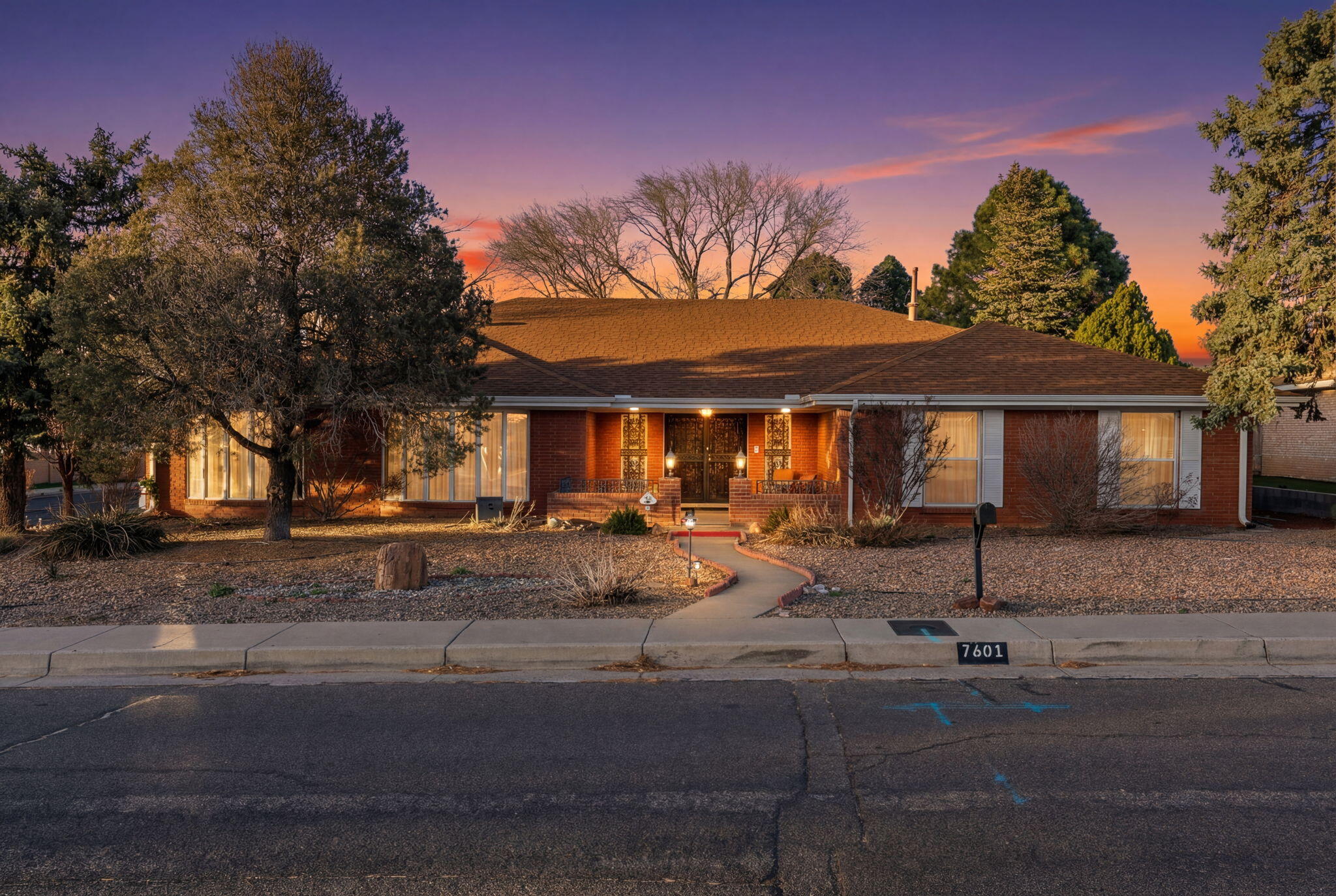
7601 VISTA DEL ARROYO AVENUE NE, ALBUQUERQUE, NM

Step through the front courtyard & foyer into a light-filled, single-story home that feels so welcoming. Situated on a corner lot, this property features an expansive, fully walled yard & versatile workshop equipped with electrical.The updated kitchen is a chef's delight with thoughtful improvements throughout, & the home offers multiple living spaces accented by gorgeous flooring & a cozy fireplace--perfect for relaxing or entertaining. With 4 bedrooms, including a spacious primary suite overlooking the backyard, there's room for everyone. Located in a highly desirable NE neighborhood, you'll be just minutes from Arroyo del Oso Golf Course, great dining, and convenient shopping. Lovingly maintained and move-in ready--schedule your showing today.


GET YOUR MORNING INSPIRATION WITH THE SANDI PRESSLEY TEAM
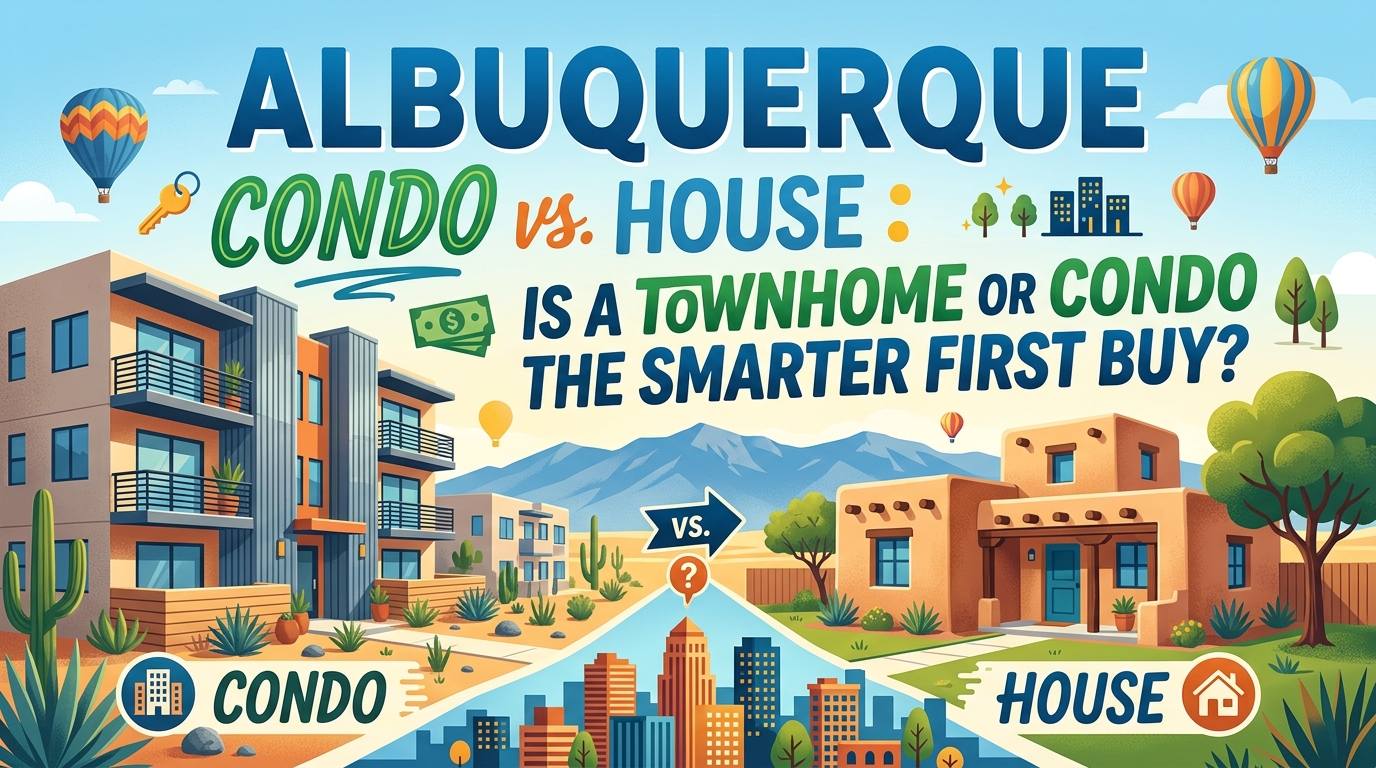
Spring isn’t just a season — it’s prime real estate time in Albuquerque. As the city shakes off winter and heads into longer, brighter days, real estate activity naturally picks up. Whether you’re considering buying, selling, or simply staying informed, understanding the nuances of the Spring 2026 market can help you move forward with confidence.

As winter gives way to sunshine, Albuquerque’s real estate market is gaining momentum — and 2026 is no exception. Buyer activity has increased steadily, driven by families planning ahead for summer moves, professionals relocating or working remotely, and longtime renters deciding it’s time to invest in homeownership. At the same time, inventory remains relatively limited, especially in well-established and highly desirable neighborhoods.

Home values across many Albuquerque areas continue to show resilience. Neighborhoods such as Far Northeast Heights, High Desert, and Nob Hill are experiencing strong interest thanks to their lifestyle appeal, access to amenities, and long-term value. Well-maintained, properly priced homes in these areas are often receiving multiple showings early on, reinforcing the importance of strategic pricing from the start.

What this means for buyers is simple: preparation matters. Getting pre-approved, understanding your comfort zone, and being ready to act decisively can make the difference between securing a home or missing out. For sellers, the current environment offers an opportunity to stand out by presenting a home that is move-in ready and thoughtfully prepared.

Interest rates remain a key consideration this spring. While rates have stabilized compared to last year, buyers are approaching purchases more strategically. Rather than waiting for a “perfect” rate, many are focusing on affordability, long-term value, and lifestyle fit. Sellers benefit from this mindset, as motivated buyers tend to be well-qualified and serious about moving forward.

Neighborhood preferences continue to reflect Albuquerque’s diverse appeal. North Albuquerque Acres and High Desert attract buyers seeking space, views, and privacy. Nob Hill and Downtown remain popular for walkability, character, and access to local dining and culture. Surrounding communities such as Rio Rancho and Corrales continue to offer attractive options for buyers looking for more space or value while staying connected to the metro area.

For homeowners planning to sell this spring, preparation can significantly impact results. Curb appeal, fresh landscaping, neutral interiors, and small updates can elevate a home’s first impression. Buyers often make emotional decisions quickly, and homes that feel clean, cared for, and welcoming tend to generate stronger interest and smoother negotiations.

Navigating the Albuquerque market successfully requires a deep understanding of local trends, timing, and buyer behavior. Every neighborhood and price point tells a different story. With the right strategy and guidance, Spring 2026 presents meaningful opportunities for both buyers and sellers looking to make a smart move in Albuquerque’s evolving real estate landscape.

HOT PROPERTY OF THE WEEK


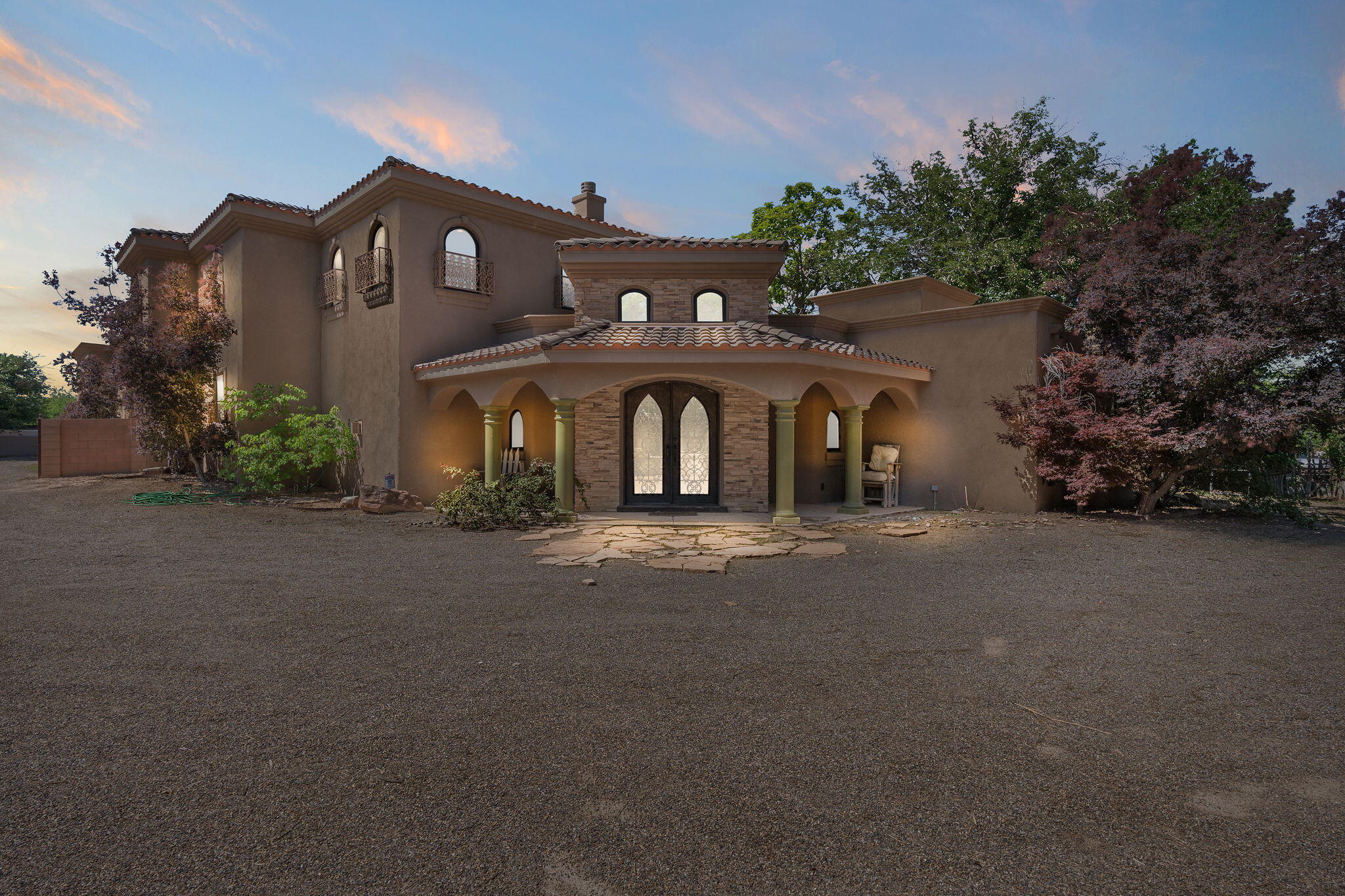
746 CHAMISAL ROAD NW, ALBUQUERQUE, NM

Gorgeous Tuscan-style home in the sought after North Valley neighborhood of Los Ranchos! Elegant, classic exterior lines complement warm, rustic earth-tone interiors with graceful arched windows & doors throughout. Designed for comfort & hospitality, this home offers an inviting, effortless lifestyle. The chef's kitchen features custom cabinetry, granite countertops, stainless steel appliances, & center island with seating. The private primary suite overlooks the rear garden & opens to an outdoor balcony, offering a spa-like bath with a large walk-through shower, jetted tub, dual vanities, & oversized walk-in closet. Enjoy exceptional outdoor living in the secluded entertaining area complete with a beautiful pool, elevated spa, & tranquil koi pond. Gated & situated on approx 1.13 acres.


GET YOUR MORNING INSPIRATION WITH THE SANDI PRESSLEY TEAM
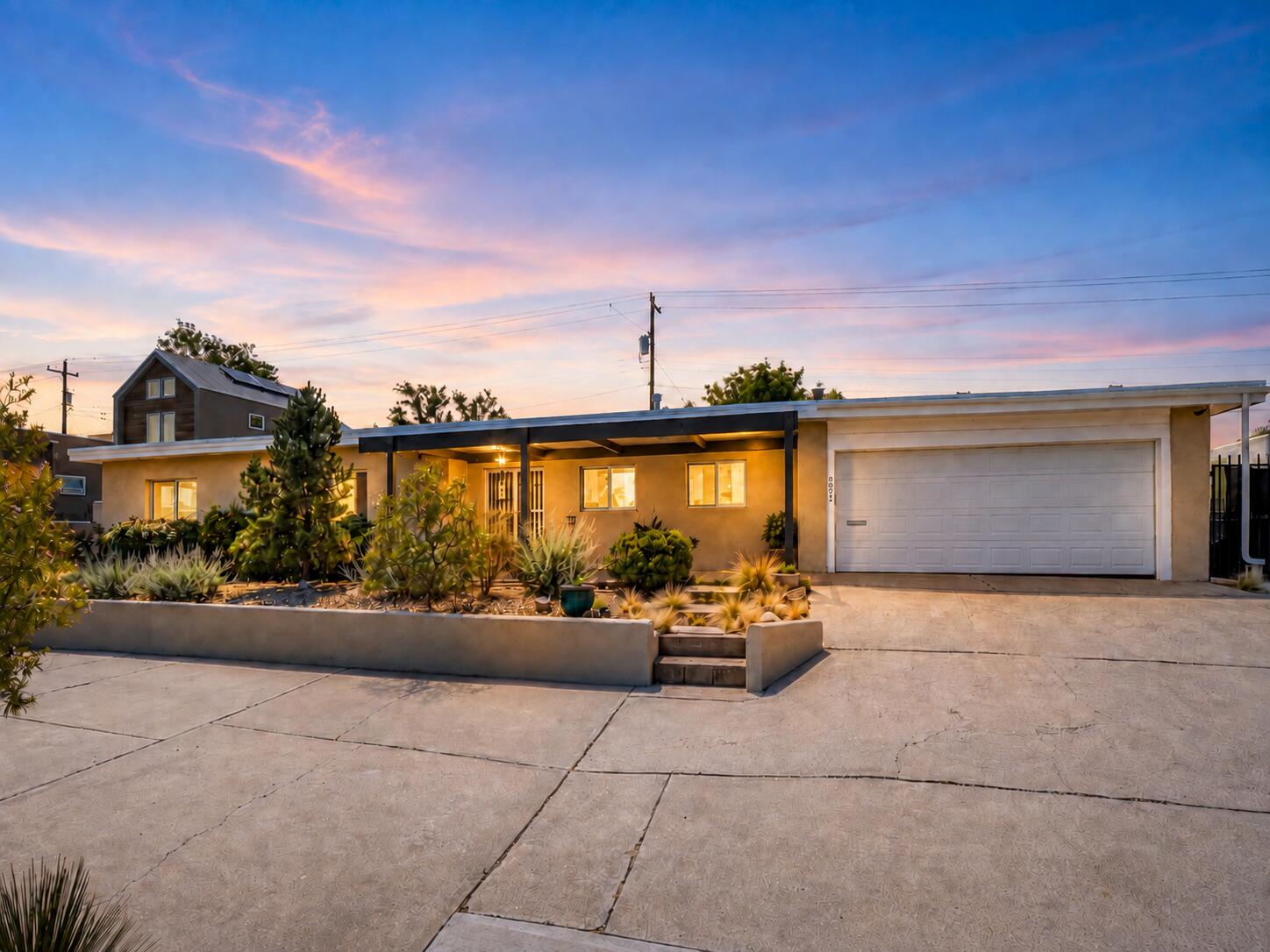
Your Guide to Home Selling Terms: What Albuquerque Sellers Need to Know

by Sandi Pressley

If you're preparing to sell your home in Albuquerque, you'll encounter terms that sound straightforward but carry significant weight in how your sale unfolds. Understanding these concepts isn't just about vocabulary—it's about making informed decisions that protect your interests and maximize your outcome.

Here's what you need to know about the most common home selling terms and how they apply to today's Albuquerque market.

List Price vs. Sale Price

What it means: Your list price is what you advertise your home for, while the sale price is what it actually sells for. The relationship between these two numbers tells an important story about your pricing strategy and market positioning.

How it affects you: In Albuquerque's current market, with median home prices around $346,000 and homes taking an average of 35-52 days to sell, pricing strategy matters more than it did during the overheated market of 2021-2023. With inventory up 38% year-over-year, buyers have more choices, which means overpricing can result in your home sitting while competitors receive offers. The gap between your list and sale price indicates whether you priced competitively from the start or had to adjust to market reality.

Days on Market (DOM)

What it means: This tracks how long your home has been actively listed for sale. The count starts the day your listing goes live and continues until you accept an offer.

How it affects you: February 2026's Albuquerque market shows homes averaging 35-52 days on market—a significant shift from the frenzied pace of recent years. While this isn't cause for concern, it does mean buyers are taking more time to evaluate options. Extended DOM can signal to buyers that your home may be overpriced or has issues, potentially weakening your negotiating position. Fresh listings typically generate the most interest, so it's critical to price right and present well from day one.

Price Per Square Foot

What it means: This metric divides your home's price by its total square footage, creating a standardized way to compare properties of different sizes.

How it affects you: In Albuquerque, the median price per square foot currently sits around $206. This number helps you understand whether your pricing aligns with comparable homes in your neighborhood. However, it's not the only factor—updates, location, lot size, and condition all influence value. Use this as a benchmark, not an absolute rule. A home with premium finishes and a sought-after location will command a higher price per square foot than one needing updates, even in the same zip code.

Comparative Market Analysis (CMA)

What it means: A CMA examines recently sold homes similar to yours—same neighborhood, similar size, comparable features—to determine a competitive list price. Your agent analyzes what these homes sold for, how long they took to sell, and current active listings.

How it affects you: This is your reality check. With Albuquerque's market transitioning from a hot seller's market to a more balanced environment, a thorough CMA prevents the costly mistake of overpricing based on what your neighbor's home sold for in 2022. Your agent should look at homes sold in the last 3-6 months, adjust for differences in features and condition, and factor in current inventory levels. The CMA isn't a guarantee but a data-driven starting point for pricing strategy.

Contingencies

What it means: Contingencies are conditions that must be met for a sale to proceed. Common ones include financing (buyer must secure a loan), appraisal (home must appraise at or above sale price), inspection (buyer can request repairs or credits based on inspection findings), and sale of buyer's current home.

How it affects you: Each contingency represents a potential exit point for the buyer. In today's Albuquerque market, where buyers have more negotiating power than they did two years ago, you'll likely encounter offers with multiple contingencies. A cash offer with no contingencies is stronger than a financed offer with multiple conditions, even if the cash offer is slightly lower. Understanding which contingencies are standard (inspection, appraisal) versus which signal a risky buyer (unusual conditions, vague timelines) helps you evaluate offer quality beyond just the price.

Appraisal and Appraisal Gap

What it means: An appraisal is an independent professional assessment of your home's market value, required by the buyer's lender. The appraisal gap is the difference between the agreed sale price and the appraised value.

How it affects you: Here's where pricing strategy meets reality. If your home appraises below the sale price, the buyer's lender will only finance based on the appraised value. In Albuquerque's current market, with prices stabilizing after years of rapid appreciation, appraisals are coming in more conservatively. If there's a gap, someone needs to cover it—either the buyer brings more cash, you reduce the price, or you meet somewhere in the middle. Pricing your home accurately based on solid comparables reduces appraisal risk significantly.

Earnest Money Deposit (EMD)

What it means: This is money the buyer deposits (typically 1-3% of the purchase price) to demonstrate they're serious about buying your home. It's held in escrow and applied to their down payment or closing costs at closing.

How it affects you: Earnest money protects you if a buyer backs out without a valid contingency. A larger EMD signals a committed buyer who's less likely to walk away on a whim. If a buyer terminates the contract for a reason covered by a contingency (failed inspection, financing falls through), they get their earnest money back. If they cancel outside those protections, you may be entitled to keep it as compensation for taking your home off the market.

Closing Costs

What it means: These are fees and expenses paid at closing to complete the sale. They include title insurance, escrow fees, transfer taxes, recording fees, and potentially other costs depending on your situation.

How it affects you: In New Mexico, sellers typically pay for the owner's title insurance policy, real estate commissions (usually 5-6% of the sale price split between listing and buyer's agents), and any agreed-upon repairs or credits. Total seller closing costs typically range from 6-10% of the sale price. Budget for these expenses upfront so you know your actual net proceeds. Buyers may also request you contribute to their closing costs—a common negotiating point in balanced markets like we're seeing now.

Seller Concessions

What it means: These are costs the seller agrees to pay on the buyer's behalf, typically applied toward the buyer's closing costs, prepaid expenses, or interest rate buydowns.

How it affects you: With mortgage rates still elevated (6.5-7.5% range), buyers are increasingly requesting seller concessions to help offset their financing costs. You might be asked to contribute 2-3% of the purchase price toward their expenses. While this reduces your net proceeds, it can be the difference between a sale and no sale. In negotiations, concessions can be more attractive than reducing your asking price since they help the buyer with immediate cash needs while keeping the sale price higher for appraisal purposes.

Home Inspection

What it means: After you accept an offer, the buyer hires a professional inspector to evaluate your home's condition—roof, foundation, electrical, plumbing, HVAC, and more. They produce a detailed report identifying any issues.

How it affects you: The inspection period is when many deals encounter turbulence. Even well-maintained homes reveal issues—it's the nature of inspections. In Albuquerque's climate, inspectors often flag evaporative cooler conditions, stucco cracks, or roof wear. Buyers can request repairs, credits, or price reductions based on findings. Major issues (structural problems, roof needing replacement) warrant negotiation. Minor items (loose doorknobs, cosmetic issues) typically don't. Your agent should help you distinguish between legitimate concerns and buyer's remorse disguised as repair requests.

As-Is Sale

What it means: Selling as-is means you're offering the property in its current condition and won't make repairs or offer credits based on inspection findings. Buyers still have the right to inspect—they just can't negotiate repairs.

How it affects you: This isn't a magic wand that eliminates buyer concerns. In New Mexico, you're still required to complete a Seller's Disclosure Statement honestly reporting known issues. As-is sales typically attract investors or buyers looking for value-add opportunities, and they often result in lower offers since buyers factor in repair costs. In today's Albuquerque market, where buyers have options, an as-is strategy works best if you're pricing below market value to account for needed work or if your home has significant issues you can't or won't address.

Multiple Offer Situation

What it means: When more than one buyer submits an offer on your home, you're in a multiple offer situation. You can accept one, counter any or all, or reject all offers.

How it affects you: While less common than during the peak seller's market of 2021-2023, multiple offers still occur for well-priced, well-presented homes in desirable Albuquerque neighborhoods. When evaluating competing offers, look beyond just price. Consider contingencies, financing strength, proposed closing timeline, earnest money amount, and proof of funds or pre-approval strength. A cash offer at $5,000 less might be stronger than the highest financed offer with multiple contingencies. Your agent should help you analyze the full picture of each offer's risk and benefit.

Escrow Period

What it means: This is the time between contract acceptance and closing, typically 30-45 days. During escrow, the buyer secures financing, completes inspections, finalizes insurance, and the title company ensures clear ownership transfer.

How it affects you: This period is governed by specific deadlines outlined in your purchase agreement—inspection deadline, appraisal deadline, loan approval deadline, final walkthrough. Missing deadlines can give the other party negotiating leverage or even grounds to cancel. Stay on top of these dates. In today's market, financing can still fall through if rates jump or the buyer's financial situation changes, so don't make major financial commitments until you've closed.

Pre-Approval vs. Pre-Qualification

What it means: Pre-qualification is an informal estimate of what a buyer could potentially borrow, while pre-approval involves actual verification of income, assets, and credit. Pre-approval is far more reliable.

How it affects you: When comparing offers, a pre-approved buyer is significantly more likely to close than a pre-qualified one. Some buyers present pre-qualification letters hoping to appear competitive while they're actually still working on their finances. Ask your agent to verify the buyer's financing strength with their lender. In a market where financing contingencies remain common, understanding the solidity of a buyer's financing protects you from wasted time with buyers who can't actually close.

Clear to Close

What it means: This is formal notification from the buyer's lender that all conditions have been met and they're cleared to fund the loan. It's the final green light before closing.

How it affects you: Until you hear "clear to close," nothing is certain. Buyers can lose financing approval right up until closing day if their financial situation changes—new debt, job loss, large purchases. Don't book the moving truck or make other commitments until you receive confirmation that the buyer is clear to close, ideally a few days before your scheduled closing date.

Closing Disclosure (CD)

What it means: This three-page document details all the final numbers—sale price, loan terms, closing costs, and funds due at closing. By law, buyers must receive it at least three business days before closing.

How it affects you: While the buyer's CD details their costs, you'll receive a settlement statement showing your proceeds. Review this carefully with your agent before closing. Verify the sale price, agreed-upon credits or concessions, payoffs of existing mortgages, and all deductions are accurate. This is your last chance to catch errors before money changes hands.

Final Walkthrough

What it means: The buyer has the right to inspect the property one final time, typically 24 hours before closing, to ensure it's in the same condition as when they made their offer and that any agreed-upon repairs were completed.

How it affects you: Leave the home clean and in the agreed-upon condition. Remove all personal belongings unless you've negotiated otherwise. If you agreed to leave appliances, make sure they're still there and functioning. Ensure agreed-upon repairs were properly completed and documented. Problems discovered at the final walkthrough can delay or even derail closing at the eleventh hour. Make the buyer's walkthrough smooth by delivering exactly what the contract promises.

Understanding Your Bottom Line

The most important "term" in any home sale is your net proceeds—what you actually walk away with after all costs and payoffs. When evaluating offers and making decisions throughout the process, always calculate how each choice affects your bottom line.

Work with your Sandi Pressley Team agent to run the numbers on different scenarios so you're making decisions based on financial reality, not just the excitement of a high offer price.

HOT PROPERTY OF THE WEEK


2830 RIO BRAVO BOULEVARD SW, ALBUQUERQUE, NM 87105

Incredible home in Valley Farms on approx 3 acres and $20k BELOW appraised value! An oasis of lush landscaping, grass, shade trees, shrubs & beautiful outdoor patios for entertaining! Old world charm & character,, kiva, banco, wet bar, floor to ceiling windows showcasing spectacular grounds & natural light! Refrig Air. New sewer line connection. Kitchen features granite countertops, wood floor, breakfast nook, huge walk-in storage pantry plus cabinet pantry. Formal dining room. Two bdrs on the main floor with updated baths plus upstairs bdr with half bath. Huge living room features a gas fireplace with brick hearth & private oourtyard patio. Electric property gate, approx 960sf workshop/2CG w/metal roof, greenhouse/sunroom, and extended carport.

GET YOUR MORNING INSPIRATION WITH THE SANDI PRESSLEY TEAM
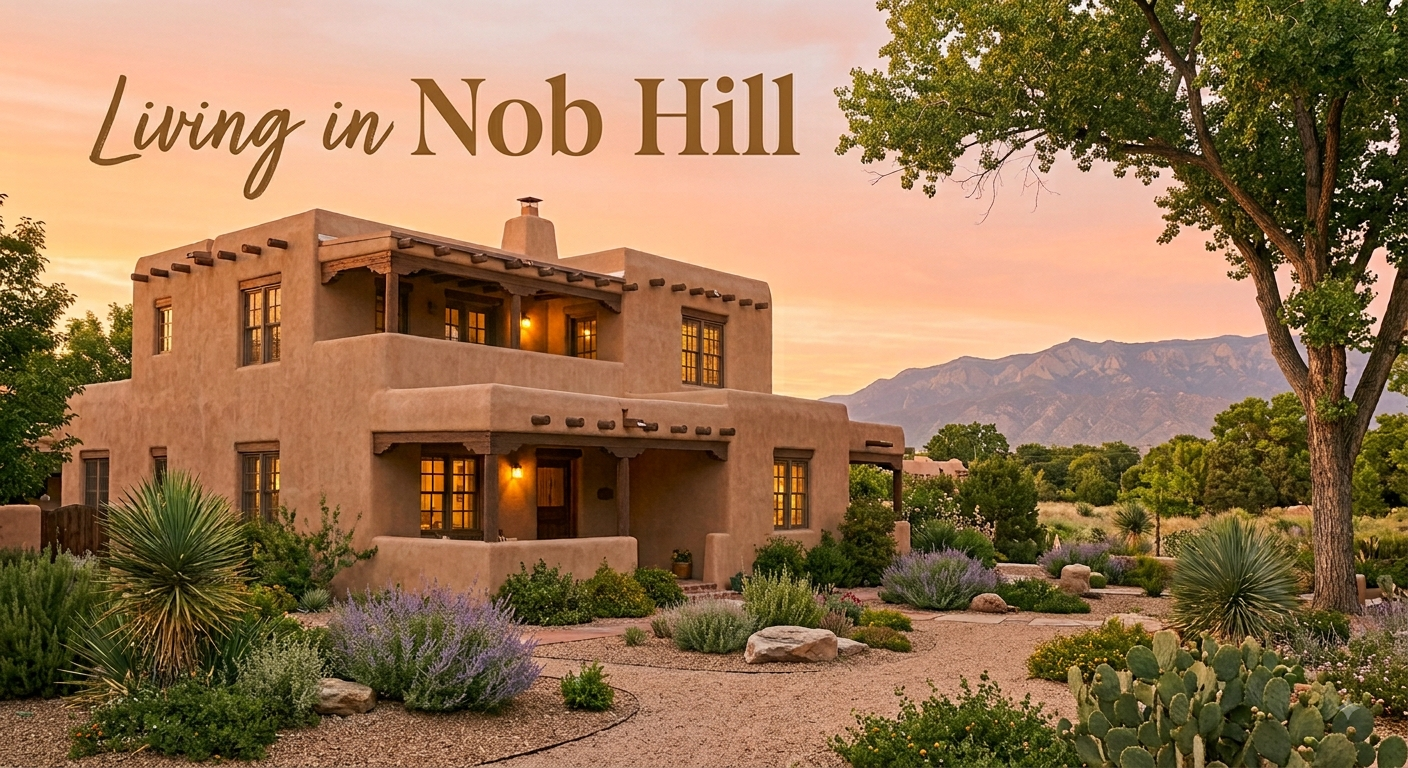
You've probably heard agents throw around terms like "appraisal value" and "market value" like they're interchangeable. They're not, and understanding the difference could mean thousands of dollars in your pocket when you sell your Albuquerque home.

The Appraisal: Playing It Safe

Here's the deal: An appraisal is what a licensed professional says your home is worth based on comparable sales, condition, and location. It's methodical, data-driven, and honestly? A bit conservative. The appraiser's job is to protect the lender, not maximize your profit.

When an appraiser walks through your home, they're checking boxes. How does your 3-bedroom in the North Valley compare to three other 3-bedrooms that sold within a half-mile radius in the last 90 days? Your granite countertops might be gorgeous, but if those comps had laminate and sold for $350K, the appraiser isn't adding $20K just because you upgraded.

They're also looking at the condition—foundation, roof, HVAC, electrical. That 1960s wiring might not bother you, but it'll show up in the report. Location factors matter too: proximity to schools, main roads, shopping. But here's what the appraiser doesn't care about: the fact that your backyard faces the Sandias and catches the most incredible sunsets. Or that your street is the quiet one where kids actually play outside.

Market Price: Where Emotion Meets Economics

Market price is what a buyer will actually pay for your home right now. It's influenced by buyer demand, competition, timing, and yes—emotion. That couple who falls in love with your backyard view of the Sandias? They're not thinking about comparables. They're thinking about morning coffee on that patio.

In Albuquerque's current market, we're seeing median prices around $380K with homes moving to pending status in about 14-35 days, depending on the neighborhood and condition. The market has cooled from the frenzy of recent years, but it's still favoring sellers in the right locations. Price per square foot is holding steady around $210, up about 8% from last year.

What's driving market price right now? Inventory is still relatively tight—down about 8% from earlier this year. When there are only two homes in Taylor Ranch that meet a buyer's criteria and they need to move by March, you've got leverage. But buyers are also more cautious than they were two years ago. They're taking their time, averaging 60 days on market for some properties, which means they're negotiating harder.

Where the Gap Shows Up

In January's Albuquerque market, we're seeing appraisal challenges pop up in competitive neighborhoods around Nob Hill and the Northeast Heights. Why? Because buyers are willing to pay more when inventory is tight and they find exactly what they want. But here's the catch—if the appraisal comes in low, you might need to negotiate or risk losing the deal.

Let's say you list your updated bungalow in Nob Hill for $425K. You get multiple offers, and someone bites at $440K because they're relocating from California and this feels like a steal compared to what they're used to. Great, right? Except the appraisal comes back at $425K. Now you've got a $15K gap.

The buyer can't get a loan for $440K when the home only appraises for $425K—the lender won't allow it. So what happens? Either the buyer comes up with an extra $15K in cash (on top of their down payment), you drop your price to $425K, or you meet somewhere in the middle. Without a plan, deals fall apart here.

Why Appraisals Are Coming in Conservative

Appraisers in Albuquerque are being particularly careful right now. After the rapid appreciation we saw in 2021-2023, they're using more recent comps and scrutinizing value claims. If you made $50K in upgrades but the neighborhood comps don't support that premium, the appraiser won't give you full credit.

Another factor: location specifics matter more than ever. A home in the desirable pockets of the Northeast Heights—say, near La Cueva High School—might appraise higher per square foot than a similar home five blocks away. The appraiser is looking at what actually sold, not what you think your upgrades are worth.

How to Position Your Home for Both

The Sandi Pressley Team knows how to position your home so both the market and the appraiser see its true value. It starts with strategic improvements, smart pricing, and timing.

1. Pre-Listing Prep That Matters to Appraisers

Not all upgrades are created equal in an appraiser's eyes. Fresh paint and clean carpets? Expected. But fixing that cracked window, repairing the swamp cooler, or addressing foundation concerns? Those directly impact the appraisal. Before listing, walk through your home like an appraiser would. What would make them check a "needs repair" box? Handle those items first.

Also consider: square footage verification. If your tax records show 1,800 square feet but you finished a 400-square-foot bonus room that was never permitted, don't assume the appraiser will count it. Get your documentation in order.

2. Strategic Pricing Based on Real Data

We price homes using actual closed sales, not just active listings. If similar homes in your Ventana Ranch neighborhood sold for $395K-$410K in the past 60 days, listing at $450K because you "need" that number won't work. The market will tell you no, and if you do get an offer, the appraiser definitely will.

Better strategy: Price at the top of the supportable range based on comps, highlight what makes your home stand out, and let buyer competition drive the price up naturally. When multiple buyers are bidding, they're often willing to help bridge a small appraisal gap because they don't want to lose the home.

3. Document Everything

Here's a pro tip most sellers miss: Create a packet for the appraiser. List every upgrade with receipts and dates. Replaced the roof in 2023? Include the invoice and warranty. New HVAC? Document it. Refinished hardwoods? Show the before and after. Appraisers use this information, especially when they're on the fence about value.

4. Know Your Neighborhood Comps

In the Four Hills area, views add value—but only if comparable homes with similar views have sold recently to prove it. In the South Valley, lot size might be your biggest asset. In older neighborhoods near UNM, updated kitchens and baths are expected to command a premium, but only if the comps support it. We know these nuances because we work these neighborhoods daily.

When the Gap Happens Anyway

Even with perfect preparation, sometimes the appraisal comes in low. Here's how we handle it:

Negotiate with facts: We immediately pull comparable sales the appraiser might have missed and submit a rebuttal. Sometimes appraisers use comps from less desirable pockets of a neighborhood, or they miss a recent sale that would support your price.

Creative solutions: Maybe the seller covers half the gap, or the buyer increases their down payment to reduce the loan amount. We've also seen sellers offer credits for repairs instead of dropping the price, which keeps the contract price intact.

Walk-away wisdom: If a buyer can't or won't bridge a significant gap, sometimes the best move is to let them walk and find a buyer who can. Especially in a market where cash offers are becoming more common—buyers who don't need financing won't have appraisal contingencies.

Current Market Reality: What to Expect in Early 2026

Right now, Albuquerque is in a balanced zone. We're not in a feeding frenzy, but we're also not seeing price drops. Homes priced right are still moving in under 45 days in good neighborhoods. The ones sitting for 60+ days? Usually overpriced or need work.

Appraisers have plenty of recent sales data to work with, which is good—it means they can find solid comps. But that also means they're not stretching to justify inflated prices. If your home is worth $375K based on comps, getting it to appraise at $400K will be tough without documented upgrades that clearly differentiate it.

The smart sellers right now? They're the ones preparing their homes properly, pricing based on reality, and working with agents who know how to navigate the appraisal process before it becomes a problem.

The Bottom Line

Market value gets you the offer. Appraisal value gets you to closing. You need both to work in your favor, and that takes strategy, not luck.

The Sandi Pressley Team has closed hundreds of Albuquerque transactions, and we know exactly how to position your home so both the market and the appraiser see its true value. Strategic improvements, smart pricing, and timing matter. Let's talk about getting you the best of both worlds—a strong offer that actually closes.

Ready to sell smart? Let's schedule a consultation and walk through your home's potential value—both what buyers will pay and what it will appraise for. Call The Sandi Pressley Team today.

HOT PROPERTY OF THE WEEK:

1011 C DE BACA LANE, BERNALILLO, NM 87004


Enjoy spectacular views! This two story luxury home, situated within a hidden gated community in Bernalillo, just west of The Rio Grande River offers a classic & functional design. Step inside to find expansive windows & rooms flooded w/light. A true gourmet kitchen, Viking appliances, pot filler, quartz counter tops, wine cooler & extended counters & cabinets for all your cooking essentials. Kitchen island with ample room for dining. Two sets of sliding glass doors to a patio w/outdoor kitchen & pergola. With over 2900 sq ft of living space, the home includes 2 living areas, one on each floor. Primary suite on main level offers, sliding glass doors to open patio with more VIEWS. Spa like bath showcases dual vanity, slipper tub, oversized shower. Custom closet w/a full range of built-ins.

GET YOUR MORNING INSPIRATION WITH THE SANDI PRESSLEY TEAM
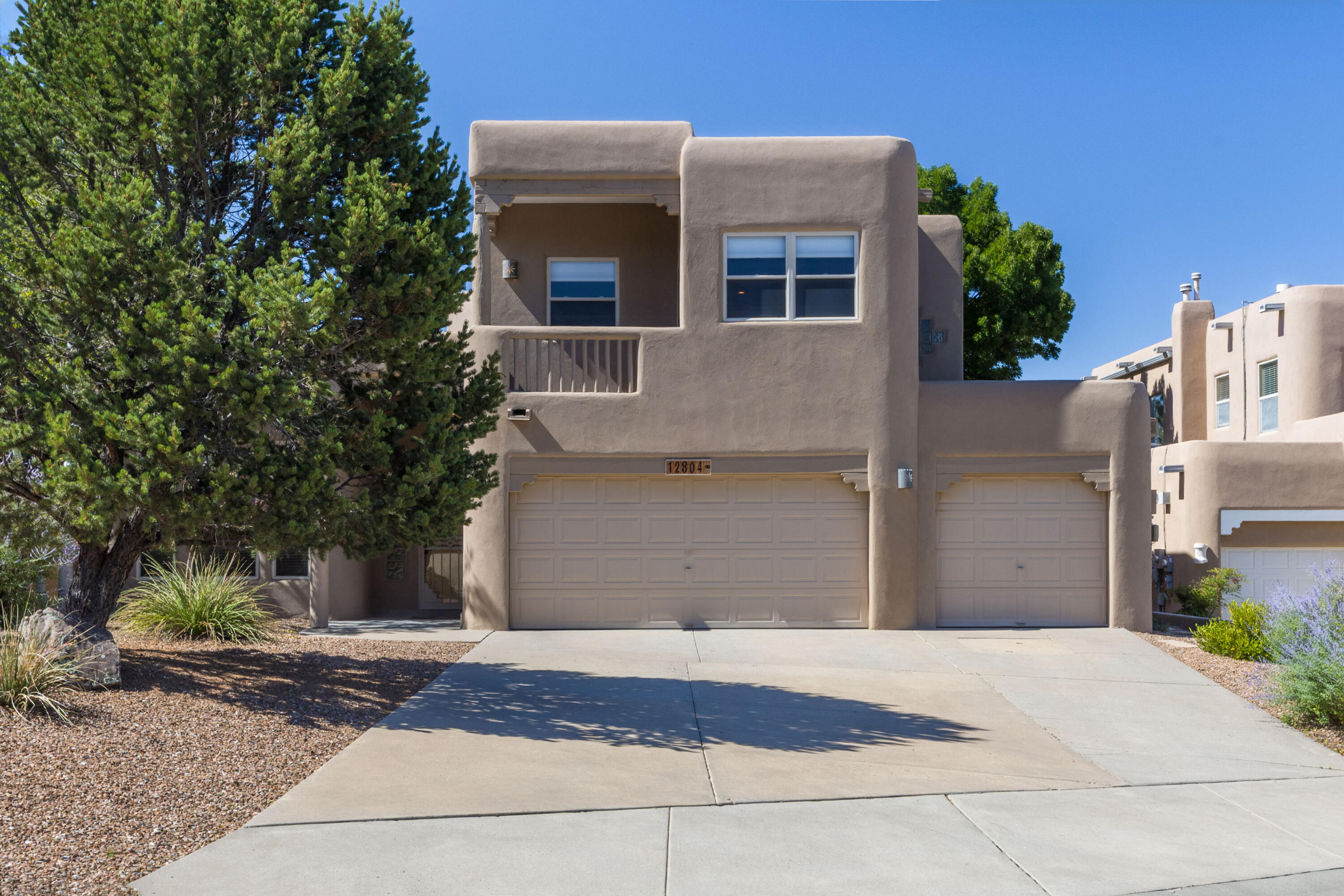

It's December, and while everyone else is making vague "maybe next year" plans about real estate, the people who actually achieve their home goals are doing something different. They're starting now.

I'm not talking about listing your house tomorrow or making an offer on Christmas Eve (though hey, if that works for you, we're here!). I'm talking about using this month strategically to set yourself up for success in 2026.

Let me show you why starting your real estate planning in December—not January, not spring—can completely change your outcomes.

The Power of "Future You" Thinking

Here's what typically happens: January hits, everyone makes big goals, and by February those goals are drowning in daily life chaos. Real estate goals fail for one simple reason—people don't give themselves enough runway.

Buying or selling a home isn't an impulse decision. It requires planning, preparation, and usually three to six months of actual execution. If you want to be in a new home by summer 2026, you need to start now.

And here's the thing about December: you have breathing room. The holiday season forces most of us to slow down, reflect, and think about what we really want. That's exactly the mindset you need for making smart real estate decisions.

For Buyers: Your December Action Plan

If 2026 is your year to buy, here's what starting in December gets you:

Get financially real. Before the new year hits, sit down and look at your complete financial picture. What's your credit score? How much do you have saved for a down payment? What's your monthly budget actually look like? December is the perfect time to have these honest conversations with yourself and your lender because you're not under pressure yet.

Speaking of lenders, get pre-approved in December. Not pre-qualified—pre-approved. It takes a few weeks and gives you a real number to work with. Come January, while everyone else is figuring out their finances, you'll be ready to tour homes immediately.

Start your research now. December is ideal for neighborhood research without the pressure of actively house hunting. Drive around areas you're considering. Check out local coffee shops. Notice which neighborhoods make you feel at home. You're building knowledge that will make you confident and decisive when spring listings hit.

And here's a pro tip: December is when people actually talk honestly about their neighborhoods. Holiday parties, community events, school programs—everyone's out and about. Strike up conversations. Ask questions. People love sharing their experience of where they live.

Make your wish list. Not the Pinterest board fantasy version—the real one. What do you actually need versus what would be nice to have? December family gatherings often clarify this. Hosting dinner in your tiny kitchen might remind you that cooking space is actually essential, not just preferred.

For Sellers: Your December Prep Strategy

If you're planning to sell in 2026, December prep work can literally add thousands to your sale price.

Get a pre-listing inspection. This is huge. Before you list, before you do any updates, hire an inspector to tell you what buyers will find. Then you can fix deal-breakers and make strategic decisions about everything else. Doing this in December means you have time to get repairs done over winter without rushing.

Start decluttering now. I'm serious. Begin with one room this week. An empty house shows better and photographs better. Plus, you're going to have to pack eventually anyway—starting now makes the whole process less overwhelming. And honestly? Holiday decluttering gives you a head start on next year's move.

Interview agents in December. We have more time to meet with potential clients right now, and you can get to know us without the pressure of needing to list tomorrow. You want someone you trust and connect with, not just the first name you found on Zillow.

Research your home's value. Look at recent sales in your neighborhood. What's your home realistically worth? With Albuquerque's median prices ranging from $340,000 to $358,000, understanding where your home fits in the market helps you plan your next move realistically.

Creating a Timeline That Actually Works

Here's a sample timeline if you're buying or selling in 2026:

December 2025: Research, get finances in order, interview professionals, start preparing your home
January-February: Active preparation—repairs, updates, getting pre-approved, touring neighborhoods
March-April: List your home or start serious house hunting
May-June: Under contract, moving through inspections and closing
July: Settled in your new home, enjoying summer in your new neighborhood

See how starting in December gives you six to seven months of runway? That's the difference between making a panicked decision and making the right decision.

The Questions to Ask Yourself This December

Grab a coffee and actually answer these:

  • Where do I want to be living one year from now?
  • What's working in my current home? What's not?
  • What's my realistic budget, accounting for all the real costs?
  • What's my timeline? Is it driven by school schedules, job changes, or personal preference?
  • Who do I need on my team? (Agent, lender, attorney, inspector)
  • What am I willing to compromise on? What's non-negotiable?

The December Advantage

Starting your 2026 real estate plans now gives you something priceless: time. Time to make thoughtful decisions instead of reactive ones. Time to save more money if needed. Time to prepare your home properly if you're selling. Time to understand the market if you're buying.

With median sale prices showing steady appreciation and market conditions remaining competitive, being prepared means you can act decisively when the right opportunity comes along.

And honestly? There's something satisfying about starting December with a plan. While everyone else is stressed about holiday shopping, you're quietly building the foundation for your biggest goal of 2026.

Let's Talk About Your 2026

Whether you're thinking about buying, selling, or you're not even sure what you want yet, let's have a conversation this month. No pressure, no sales pitch—just real talk about what you want to accomplish and how to get there.

Because the people who will be celebrating in their new homes next December? They're the ones who started planning this December.

What's your 2026 going to look like?

HOT PROPERTY OF THE WEEK

80 EL CERRITO Place, Jemez Springs, NM


Breathtaking setting for this home in Jemez Springs perched among soaring mountain views. This spacious home has soaring beamed ceilings, wood floors, light-filled rooms, & loft with ample storage. Open floor plan with inviting living & dining area that expands to sunroom. Ideal for cozy reading rm, yoga/meditation or artist studio. Wood stove & mini splits making it comfortable all year long. Newer appliances in the kitchen. Access to expansive deck to enjoy mountain views and cool breezes. Lower level includes 2 flex spaces, a laundry room & full bathroom. Entry to an oversized one car garage. Could be used for a workshop. Property has a detached shed & covered carport, room for 2 vehicles. Home is on a very private lot at the end of cul-de-sac. Easy commute to LANL, Abq, Fenton Lake.


GET YOUR MORNING INSPIRATION WITH THE SANDI PRESSLEY TEAM!


10 Things Every Out-of-State Buyer Should Know About Albuquerque

by Sandi Pressley

Thanks for stopping by. We're the Sandi Pressley Team, and if you're relocating to Albuquerque, then you can expect to find a unique blend of affordability, culture, and Sunshine that's attracting buyers from across the country. However, if you plan to relocate to Albuquerque, there are a few things you should know. Here's the Sandi Pressley Teams Top 10 List of things to think about before moving.

1. Albuquerque has a Stable, Growing Housing Market
Albuquerque's median home price currently sits around $375,000, with year-over-year increases of approximately 3-5%. Volatility plagues many Major markets across the country, but not really Albuquerque. Albuquerque's housing market is stable and closer to national averages than other Southwestern Cities like Phoenix or Denver. We're experiencing steady, predictable growth and aren't subject to the volatility of a boom-and-bust market.
New Mexico also has one of the lowest mortgage delinquency rates in the Nation. Our delinquency rate is only 2.9%, which is below the national average of 3.5%, and foreclosures are at roughly 0.4%. We've been through many Albuquerque market cycles and believe these numbers show a healthy market with minimal downside risk. For buyers coming from overheated coastal markets, Albuquerque offers a refreshing alternative where homes appreciate without the speculative frenzy.
Three-bedroom homes have seen a 4.3% increase, and four-bedroom homes have increased 4.8% REFERENCE: Rocket, making family-sized properties robust investments. If you're waiting for a crash to buy, don't hold your breath—market fundamentals suggest continued steady growth through 2025 and beyond.

2. Albuquerque is More Affordable than Other Western Cities
With a Cost-of-Living Index of 93.1, Albuquerque is nearly 7% more affordable than the national average, according to. That median home price of $375,000? In Denver, it would be $600,000. In Phoenix, $550,000. In California? Don't even ask.
But it's not just housing. Groceries are 9.5% below the national average, utilities are 6.9% lower, and healthcare costs are 4.2% lower than in a typical American city, with an average salary of $70,000 per year. What does this mean to you? Simply put, it means your income buys you more and lasts longer here.

Suppose you're selling a home in a high-cost market and relocating to Albuquerque. In that case, you can buy a larger home outright or have significant equity left over for renovations, savings, or investments. Many out-of-state buyers discover they can upgrade their lifestyle significantly while reducing their monthly housing costs.

3. Property Taxes Require Your Attention
Bernalillo County's effective property tax rate is approximately 1.14%—higher than New Mexico's state median of 0.55% but still below the national median of 1.02% Reference: Ownwell. On a $375,000 home, expect annual property taxes around $4,275, or roughly $356 per month.

Here's where it gets interesting: Property tax rates vary significantly by zip code in Albuquerque, according to Reference: SmartAsset. The Northeast Heights might have different rates from the South Valley. If you're relocating from Texas or California, Albuquerque's property taxes are reasonable. Coming from a low-tax state? Factor this into your budget.
New Mexico is a non-disclosure state, meaning actual sale prices aren't always public. This makes accurate home valuations crucial during tax assessments. Work with your real estate professional to ensure your property assessment is fair appeal if necessary. Also, ask about available exemptions for veterans, seniors, or disabled homeowners that could reduce your tax burden.

4. Altitude is a Big Deal
At 5,312 feet above sea level, Albuquerque sits a mile high. This isn't just a trivia fact—it affects your daily life. Some newcomers experience temporary altitude adjustment, including shortness of breath during exercise, fatigue, headaches, or difficulty sleeping for the first week or two.
The altitude creates day-to-night temperature variations of up to 30°F due to the high desert environment and low humidity. A 90-degree afternoon can drop to a comfortable 60-degree evening—plan your wardrobe accordingly.
The good news? Most people acclimate within one to two weeks. Drink more water than you think you need (the dry air can compound dehydration), limit alcohol initially, avoid overexertion in your first few days, and give your body time to adjust. The altitude also means UV rays are stronger, so sunscreen becomes essential even on short walks. Once you're acclimated, many people find they have more energy and stamina than at sea level.

5. Oh, Sunshine!
Steve Martin once said, "A Day without sunshine is like, you know, night." Well, you don't have to worry about that in Albuquerque. Albuquerque averages over 310 days of Sunshine annually. Did you know that it is more than San Diego, Phoenix, or Miami? Albuquerque is also known for low humidity, a desert climate, and only 7-9 inches of annual precipitation. If you're relocating from Seattle, the Midwest, or the Northeast, prepare for a dramatic lifestyle change.
Albuquerque's monsoon season, which runs from July to August, accounts for most of our precipitation. July through August, you can expect heavy afternoon thunderstorms to dump buckets of rain in a very short time span, and when the clouds clear, you'll get to see amazing sunsets. In Winter, the city doesn't get much snow, but the Sandia Mountains do. We know everyone is familiar with the desert heat, but many people don't expect the low winter daytime temperatures, with average highs in the 40s and lows in the 50s. That said, you won't find many days when it stays below freezing all day. 

This climate means year-round outdoor activities, lower heating bills, and saying goodbye to snow shoveling. However, the constant Sunshine and low humidity require adjustment: invest in quality window coverings to protect furniture from fading, keep lotion handy for dry skin, and plan your home's orientation carefully—south and west-facing windows can heat homes significantly in summer.

6. Inventory Moves Quickly
Homes are spending an average of 28 days on the market, according to Reference: Rocket, and the best properties often go under contract within a week. With only 2,075 homes for sale in the greater Albuquerque area, inventory remains tight relative to demand.
If you're relocating from out of state, this creates challenges. You can't afford to be passive. Before you start seriously looking, get pre-approved for financing (not just pre-qualified—there's a difference). Know your budget, your must-haves versus nice-to-haves, and be prepared to make decisions quickly.

Consider visiting Albuquerque for an intensive house-hunting trip rather than spreading searches over multiple visits. Many successful out-of-state buyers work with their agent to preview homes virtually, narrow down to top choices, and then see 8-12 properties during a concentrated 2-3-day visit. Come prepared to make an offer on the right property before you leave town.
Multiple offers are common on desirable properties. Your agent's negotiating skills and local market knowledge have become invaluable. Sometimes the winning offer isn't the highest; it's the cleanest, with solid financing and reasonable contingencies.

7. Unique Architectural Character
Albuquerque's architecture tells the story of its history. Traditional adobe and pueblo-style homes feature thick walls, rounded edges, flat roofs, and earth-toned stucco that naturally insulates against temperature extremes. These aren't just aesthetic choices—they're practical adaptations to the high desert climate that has evolved over centuries.
Territorial-style homes showcase brick coping, Portales (covered porches), and white-trimmed windows. You'll find mid-century modern gems in the Northeast Heights, Spanish Colonial revivals in older neighborhoods, and contemporary Southwestern designs that blend traditional elements with modern sensibilities.

Many homes feature authentic or decorative vigas (exposed wooden beams), kiva fireplaces (rounded adobe fireplaces in corners), and Saltillo tile floors. If you're buying an older adobe home, understand that maintenance differs from conventional construction—adobe requires periodic re-plastering, and thick walls can complicate renovations or additions.
Embrace the local architectural character rather than fighting it. A Pueblo-style home with desert landscaping will always sell better in Albuquerque than a home trying to recreate a New England cottage. When you’re hunting, appreciate the unique aesthetic that makes Albuquerque homes distinctive—you can't get this anywhere else.

8. Four Distinct Quadrants
Understanding Albuquerque's quadrant system is essential for finding the right neighborhood. Central Avenue (historic Route 66) runs east-west, and the railroad tracks run north-south, dividing the city into four distinct areas.
Northeast (NE): The most populous quadrant features the Sandia Mountain foothills, newer subdivisions, and strong schools. Neighborhoods like High Desert, Tanoan, and the Northeast Heights offer suburban amenities, shopping, and restaurants. Homes here tend toward the higher end of the price spectrum but provide mountain views and well-maintained communities.
Northwest (NW): This quadrant provides some of the city's most spectacular views, including Petroglyph National Monument and access to the volcanic escarpment. If you're looking for a home with a view, you should walk in these neighborhoods before moving here. Communities like Paradise Hills, Ventana Ranch, and Volcano Cliffs attract families seeking newer construction and good schools. The Westside continues to grow and develop.
Southeast (SE): Often the most affordable quadrant, the SE offers value-conscious buyers’ access to the housing market. The area is more diverse, with a mix of older and newer properties. A significant new development in this quadrant is Mesa del Sol, a lively master-planned community.

Southwest (SW): Home to Old Town, the city's historic heart, this quadrant blends history with established neighborhoods. The South Valley retains a rural feel in places, with larger lots and agricultural roots. The SW offers cultural richness and some of Albuquerque's most authentic character.
The best fit for you depends on the lifestyle you're looking for. If you want to be close to trails, nature, and mountain recreation? Look northeast or east. If your dream is newer construction and growing communities? Consider the northwest. Seeking value and don't mind a longer commute? The southeast delivers. Love history and established neighborhoods—the southwest calls.

9. Desert Living Means Desert Landscaping
Forget lush Kentucky bluegrass lawns. In Albuquerque, xeriscaping isn't just environmentally conscious, it's the Norm and often required by HOAs and city codes for new construction. Desert landscaping features native plants, decorative gravel, flagstone pathways, and drought-resistant vegetation that thrives in arid conditions.

Albuquerque xeriscaping includes native grasses like Mexican feather grass and plants like Apache plume, desert marigold, and various cacti, which require minimal water once established. Trees like desert willow, New Mexico olive, and Afghan pine provide shade without excessive water demands. Water conservation affects both your utility bills and your property's appeal to future buyers, REFERENCE: Santa Fe Movers. 

Don't view this as a limitation—view it as an opportunity. Well-designed xeriscaping can be stunning, with colorful blooms, interesting textures, and year-round visual interest while using 50-75% less water than traditional landscaping. It also means less maintenance: no weekly mowing, less fertilizing, and minimal pest problems.

If you're buying a home with a lawn, understand that maintaining it requires significant water, which can be expensive and increasingly restricted during droughts. Many buyers are converting grassy areas to xeriscapes to reduce costs and maintenance. When you're evaluating properties in Albuquerque, it may be new to you, but you'll need to consider the landscaping's water requirements and whether it aligns with sustainable desert living.

10. It's a Relocation-Friendly Community
Albuquerque welcomes newcomers, and you won't be alone in your transition from out of state. Albuquerque is known for its diverse population, driven by major employers such as Sandia National Laboratories, Kirtland Air Force Base, Intel, and the University of New Mexico. Military transfers, tech workers, scientists, and academics regularly relocate here, creating a community accustomed to welcoming new faces.

The city offers cultural richness that surprises many newcomers: world-class museums, the annual International Balloon Fiesta (the most photographed event on Earth), a thriving arts scene, and cuisine that blends Native American, Hispanic, and Anglo traditions into a uniquely New Mexican blend. The question "Red or green?" (referring to chile sauce) becomes part of your daily vocabulary.

Outdoor recreation abounds year-round. The Sandia Mountains offer hiking, mountain biking, and skiing within 30 minutes of downtown. The Rio Grande bosque provides trails for running and cycling. The climate supports tennis, golf, and virtually any outdoor activity year-round.
The community's smaller size (metro population around 900,000) means you can actually get to know your neighbors, traffic is manageable, and you can drive across town in 30 minutes. Yet Albuquerque offers big-city amenities: a diverse restaurant scene, professional sports (minor league baseball and soccer), and cultural events — without the stress and expense of mega-city living.

Out-of-state buyers consistently report that Albuquerque exceeded their expectations. The locals are friendly, the pace is more relaxed than in coastal cities, and the quality of life is exceptional for the cost.

Ready to Make Your Move?
The Sandi Pressley Team brings decades of local expertise and deep community roots to your Albuquerque home search. As long-time residents and relocation specialists, we understand the unique questions out-of-state buyers face—from navigating local neighborhoods to understanding New Mexico's real estate regulations.

The Sandi Pressley Team KNOWS: 
We know which areas offer the best schools
Where to find hidden gems below market value
How to structure offers that win in competitive situations. 
Trusted local lenders who understand New Mexico's unique financing requirements
Home inspectors who are familiar with adobe construction

Whether you're selling in another state and buying here, or making Albuquerque your investment destination, we'll guide you through every step of your transition with the insider knowledge that only true locals can provide. We're not just your real estate agents—we're your relocation partners who want you to love Albuquerque as much as we do.

Let's find your perfect Albuquerque home.
Call us today: (505)263-2173
Visit: https://www.albuquerquehomesolutions.com/
The Sandi Pressley Team - Your Albuquerque Relocation Experts

HOT PROPERTY OF THE WEEK
2905 Dorothy Street NE / Albuquerque, NM 87112
  
Stunning renovation in the heart of Snow Heights! Welcome to this beautifully renovated home, close to Matheson Park, schools, shopping and more. This NE Heights gem features all new gorgeous laminate floors, windows, kitchen and more! The main level showcases dual living areas with 3 bedrooms and a full bath, then spread out in the fully-finished basement with multiple areas for all your needs plus a new 3/4 bath! The oversized backyard is ready for all your play things, and you won't have to worry about hefty utility bills because this one has solar! Come make this one your home today.
GET YOUR MORNING INSPIRATION WITH THE Sandi Pressley TEAM!
  

Thanks for stopping by. We're the Sandi Pressley Team, and if you're relocating to Albuquerque, then you can expect to find a unique blend of affordability, culture, and Sunshine that's attracting buyers from across the country. However, if you plan to relocate to Albuquerque, there are a few things you should know. Here's the Sandi Pressley Teams Top 10 List of things to think about before moving.


1. Albuquerque has a Stable, Growing Housing Market

Albuquerque's median home price currently sits around $375,000, with year-over-year increases of approximately 3-5%. Volatility plagues many Major markets across the country, but not really Albuquerque. Albuquerque's housing market is stable and closer to national averages than other Southwestern Cities like Phoenix or Denver. We're experiencing steady, predictable growth and aren't subject to the volatility of a boom-and-bust market.

New Mexico also has one of the lowest mortgage delinquency rates in the Nation. Our delinquency rate is only 2.9%, which is below the national average of 3.5%, and foreclosures are at roughly 0.4%. We've been through many Albuquerque market cycles and believe these numbers show a healthy market with minimal downside risk. For buyers coming from overheated coastal markets, Albuquerque offers a refreshing alternative where homes appreciate without the speculative frenzy.

Three-bedroom homes have seen a 4.3% increase, and four-bedroom homes have increased 4.8% REFERENCE: Rocket, making family-sized properties robust investments. If you're waiting for a crash to buy, don't hold your breath—market fundamentals suggest continued steady growth through 2025 and beyond.


2. Albuquerque is More Affordable than Other Western Cities

With a Cost-of-Living Index of 93.1, Albuquerque is nearly 7% more affordable than the national average, according to. That median home price of $375,000? In Denver, it would be $600,000. In Phoenix, $550,000. In California? Don't even ask.

But it's not just housing. Groceries are 9.5% below the national average, utilities are 6.9% lower, and healthcare costs are 4.2% lower than in a typical American city, with an average salary of $70,000 per year. What does this mean to you? Simply put, it means your income buys you more and lasts longer here.

Suppose you're selling a home in a high-cost market and relocating to Albuquerque. In that case, you can buy a larger home outright or have significant equity left over for renovations, savings, or investments. Many out-of-state buyers discover they can upgrade their lifestyle significantly while reducing their monthly housing costs.


3. Property Taxes Require Your Attention

Bernalillo County's effective property tax rate is approximately 1.14%—higher than New Mexico's state median of 0.55% but still below the national median of 1.02% Reference: Ownwell. On a $375,000 home, expect annual property taxes around $4,275, or roughly $356 per month.

Here's where it gets interesting: Property tax rates vary significantly by zip code in Albuquerque, according to Reference: SmartAsset. The Northeast Heights might have different rates from the South Valley. If you're relocating from Texas or California, Albuquerque's property taxes are reasonable. Coming from a low-tax state? Factor this into your budget.

New Mexico is a non-disclosure state, meaning actual sale prices aren't always public. This makes accurate home valuations crucial during tax assessments. Work with your real estate professional to ensure your property assessment is fair appeal if necessary. Also, ask about available exemptions for veterans, seniors, or disabled homeowners that could reduce your tax burden.


4. Altitude is a Big Deal

At 5,312 feet above sea level, Albuquerque sits a mile high. This isn't just a trivia fact—it affects your daily life. Some newcomers experience temporary altitude adjustment, including shortness of breath during exercise, fatigue, headaches, or difficulty sleeping for the first week or two.

The altitude creates day-to-night temperature variations of up to 30°F due to the high desert environment and low humidity. A 90-degree afternoon can drop to a comfortable 60-degree evening—plan your wardrobe accordingly.

The good news? Most people acclimate within one to two weeks. Drink more water than you think you need (the dry air can compound dehydration), limit alcohol initially, avoid overexertion in your first few days, and give your body time to adjust. The altitude also means UV rays are stronger, so sunscreen becomes essential even on short walks. Once you're acclimated, many people find they have more energy and stamina than at sea level.


5. Oh, Sunshine!

Steve Martin once said, "A Day without sunshine is like, you know, night." Well, you don't have to worry about that in Albuquerque. Albuquerque averages over 310 days of Sunshine annually. Did you know that it is more than San Diego, Phoenix, or Miami? Albuquerque is also known for low humidity, a desert climate, and only 7-9 inches of annual precipitation. If you're relocating from Seattle, the Midwest, or the Northeast, prepare for a dramatic lifestyle change.

Albuquerque's monsoon season, which runs from July to August, accounts for most of our precipitation. July through August, you can expect heavy afternoon thunderstorms to dump buckets of rain in a very short time span, and when the clouds clear, you'll get to see amazing sunsets. In Winter, the city doesn't get much snow, but the Sandia Mountains do. We know everyone is familiar with the desert heat, but many people don't expect the low winter daytime temperatures, with average highs in the 40s and lows in the 50s. That said, you won't find many days when it stays below freezing all day. 

This climate means year-round outdoor activities, lower heating bills, and saying goodbye to snow shoveling. However, the constant Sunshine and low humidity require adjustment: invest in quality window coverings to protect furniture from fading, keep lotion handy for dry skin, and plan your home's orientation carefully—south and west-facing windows can heat homes significantly in summer.


6. Inventory Moves Quickly

Homes are spending an average of 28 days on the market, according to Reference: Rocket, and the best properties often go under contract within a week. With only 2,075 homes for sale in the greater Albuquerque area, inventory remains tight relative to demand.

If you're relocating from out of state, this creates challenges. You can't afford to be passive. Before you start seriously looking, get pre-approved for financing (not just pre-qualified—there's a difference). Know your budget, your must-haves versus nice-to-haves, and be prepared to make decisions quickly.

Consider visiting Albuquerque for an intensive house-hunting trip rather than spreading searches over multiple visits. Many successful out-of-state buyers work with their agent to preview homes virtually, narrow down to top choices, and then see 8-12 properties during a concentrated 2-3-day visit. Come prepared to make an offer on the right property before you leave town.

Multiple offers are common on desirable properties. Your agent's negotiating skills and local market knowledge have become invaluable. Sometimes the winning offer isn't the highest; it's the cleanest, with solid financing and reasonable contingencies.


7. Unique Architectural Character

Albuquerque's architecture tells the story of its history. Traditional adobe and pueblo-style homes feature thick walls, rounded edges, flat roofs, and earth-toned stucco that naturally insulates against temperature extremes. These aren't just aesthetic choices—they're practical adaptations to the high desert climate that has evolved over centuries.

Territorial-style homes showcase brick coping, Portales (covered porches), and white-trimmed windows. You'll find mid-century modern gems in the Northeast Heights, Spanish Colonial revivals in older neighborhoods, and contemporary Southwestern designs that blend traditional elements with modern sensibilities.

Many homes feature authentic or decorative vigas (exposed wooden beams), kiva fireplaces (rounded adobe fireplaces in corners), and Saltillo tile floors. If you're buying an older adobe home, understand that maintenance differs from conventional construction—adobe requires periodic re-plastering, and thick walls can complicate renovations or additions.

Embrace the local architectural character rather than fighting it. A Pueblo-style home with desert landscaping will always sell better in Albuquerque than a home trying to recreate a New England cottage. When you’re hunting, appreciate the unique aesthetic that makes Albuquerque homes distinctive—you can't get this anywhere else.


8. Four Distinct Quadrants

Understanding Albuquerque's quadrant system is essential for finding the right neighborhood. Central Avenue (historic Route 66) runs east-west, and the railroad tracks run north-south, dividing the city into four distinct areas.

Northeast (NE): The most populous quadrant features the Sandia Mountain foothills, newer subdivisions, and strong schools. Neighborhoods like High Desert, Tanoan, and the Northeast Heights offer suburban amenities, shopping, and restaurants. Homes here tend toward the higher end of the price spectrum but provide mountain views and well-maintained communities.

Northwest (NW): This quadrant provides some of the city's most spectacular views, including Petroglyph National Monument and access to the volcanic escarpment. If you're looking for a home with a view, you should walk in these neighborhoods before moving here. Communities like Paradise Hills, Ventana Ranch, and Volcano Cliffs attract families seeking newer construction and good schools. The Westside continues to grow and develop.

Southeast (SE): Often the most affordable quadrant, the SE offers value-conscious buyers’ access to the housing market. The area is more diverse, with a mix of older and newer properties. A significant new development in this quadrant is Mesa del Sol, a lively master-planned community.

Southwest (SW): Home to Old Town, the city's historic heart, this quadrant blends history with established neighborhoods. The South Valley retains a rural feel in places, with larger lots and agricultural roots. The SW offers cultural richness and some of Albuquerque's most authentic character.

The best fit for you depends on the lifestyle you're looking for. If you want to be close to trails, nature, and mountain recreation? Look northeast or east. If your dream is newer construction and growing communities? Consider the northwest. Seeking value and don't mind a longer commute? The southeast delivers. Love history and established neighborhoods—the southwest calls.


9. Desert Living Means Desert Landscaping

Forget lush Kentucky bluegrass lawns. In Albuquerque, xeriscaping isn't just environmentally conscious, it's the Norm and often required by HOAs and city codes for new construction. Desert landscaping features native plants, decorative gravel, flagstone pathways, and drought-resistant vegetation that thrives in arid conditions.

Albuquerque xeriscaping includes native grasses like Mexican feather grass and plants like Apache plume, desert marigold, and various cacti, which require minimal water once established. Trees like desert willow, New Mexico olive, and Afghan pine provide shade without excessive water demands. Water conservation affects both your utility bills and your property's appeal to future buyers, REFERENCE: Santa Fe Movers. 

Don't view this as a limitation—view it as an opportunity. Well-designed xeriscaping can be stunning, with colorful blooms, interesting textures, and year-round visual interest while using 50-75% less water than traditional landscaping. It also means less maintenance: no weekly mowing, less fertilizing, and minimal pest problems.

If you're buying a home with a lawn, understand that maintaining it requires significant water, which can be expensive and increasingly restricted during droughts. Many buyers are converting grassy areas to xeriscapes to reduce costs and maintenance. When you're evaluating properties in Albuquerque, it may be new to you, but you'll need to consider the landscaping's water requirements and whether it aligns with sustainable desert living.


10. It's a Relocation-Friendly Community

Albuquerque welcomes newcomers, and you won't be alone in your transition from out of state. Albuquerque is known for its diverse population, driven by major employers such as Sandia National Laboratories, Kirtland Air Force Base, Intel, and the University of New Mexico. Military transfers, tech workers, scientists, and academics regularly relocate here, creating a community accustomed to welcoming new faces.

The city offers cultural richness that surprises many newcomers: world-class museums, the annual International Balloon Fiesta (the most photographed event on Earth), a thriving arts scene, and cuisine that blends Native American, Hispanic, and Anglo traditions into a uniquely New Mexican blend. The question "Red or green?" (referring to chile sauce) becomes part of your daily vocabulary.

Outdoor recreation abounds year-round. The Sandia Mountains offer hiking, mountain biking, and skiing within 30 minutes of downtown. The Rio Grande bosque provides trails for running and cycling. The climate supports tennis, golf, and virtually any outdoor activity year-round.

The community's smaller size (metro population around 900,000) means you can actually get to know your neighbors, traffic is manageable, and you can drive across town in 30 minutes. Yet Albuquerque offers big-city amenities: a diverse restaurant scene, professional sports (minor league baseball and soccer), and cultural events — without the stress and expense of mega-city living.

Out-of-state buyers consistently report that Albuquerque exceeded their expectations. The locals are friendly, the pace is more relaxed than in coastal cities, and the quality of life is exceptional for the cost.


Ready to Make Your Move?

The Sandi Pressley Team brings decades of local expertise and deep community roots to your Albuquerque home search. As long-time residents and relocation specialists, we understand the unique questions out-of-state buyers face—from navigating local neighborhoods to understanding New Mexico's real estate regulations.


The Sandi Pressley Team KNOWS: 

We know which areas offer the best schools

Where to find hidden gems below market value

How to structure offers that win in competitive situations. 

Trusted local lenders who understand New Mexico's unique financing requirements

Home inspectors who are familiar with adobe construction


Whether you're selling in another state and buying here, or making Albuquerque your investment destination, we'll guide you through every step of your transition with the insider knowledge that only true locals can provide. We're not just your real estate agents—we're your relocation partners who want you to love Albuquerque as much as we do.


Let's find your perfect Albuquerque home.

Call us today: (505)263-2173

Visit: https://www.albuquerquehomesolutions.com/

The Sandi Pressley Team - Your Albuquerque Relocation Experts


HOT PROPERTY OF THE WEEK

2905 Dorothy Street NE / Albuquerque, NM 87112


Stunning renovation in the heart of Snow Heights! Welcome to this beautifully renovated home, close to Matheson Park, schools, shopping and more. This NE Heights gem features all new gorgeous laminate floors, windows, kitchen and more! The main level showcases dual living areas with 3 bedrooms and a full bath, then spread out in the fully-finished basement with multiple areas for all your needs plus a new 3/4 bath! The oversized backyard is ready for all your play things, and you won't have to worry about hefty utility bills because this one has solar! Come make this one your home today.

GET YOUR MORNING INSPIRATION WITH THE Sandi Pressley TEAM!


When people ask me where Albuquerque's most coveted address is, my answer never changes. Sandia Heights is a beautiful area, nestled at the base of the majestic Sandia Mountains across 1,600 acres of some of the most breathtaking terrain in New Mexico. This one-of-a-kind Sandia Heights neighborhood offers the best of Albuquerque to homeowners looking for luxury, natural beauty, and a unique lifestyle. Sandia Heights proves that discerning buyers recognize exceptional value when they see it, even in a market where luxury inventory moves at its own deliberate pace. With a median home price of $649,000 and properties moving in just nineteen days on average,


The story of Sandia Heights begins in 1965, when developers recognized that these foothills offered something extraordinary—a chance to build a community where residents could wake up to panoramic views of the Rio Grande Valley stretching westward toward the distant mesas, with the Sandia Mountains literally in their backyard. Today's buyers inherit that vision, with homes ranging from around $435,000 for carefully maintained properties to statement estates commanding $1.3 million and beyond.


We find that the architectural diversity here tells its own story. Walking through Sandia Heights, you'll find classic Southwestern and Pueblo-style homes featuring the flat roofs and earth-toned stucco that define New Mexico's aesthetic, alongside contemporary glass-and-steel designs, Mediterranean villas with tile roofs and courtyards, and everything in between. What unites them all is the understanding that in Sandia Heights, the land itself is part of the luxury—generous lots averaging half an acre to a full acre give residents the space to breathe, entertain, and truly inhabit the high desert environment.


Living in Sandia Heights means embracing the outdoors in ways most neighborhoods can't offer, and that's precisely what draws so many families and retirees to this community year after year. The iconic Sandia Peak Tramway, visible from nearly every property, serves as both a dramatic visual landmark and a recreational gateway—locals with season passes can ride up for sunset dinners at the summit restaurant or access world-class hiking and skiing without the long drive around the mountain.


Living in the foothills also brings meaningful Wildlife encounters pretty much every day. Residents are used to mule deer browsing through the natural landscape at dawn and dusk, roadrunners darting across driveways, and the occasional coyote reminding residents that they're living in actual Southwestern terrain. The trails that wind through Sandia Heights connect directly to the Cibola National Forest, meaning you can quite literally step out your door and within minutes find yourself hiking among piñon pines and juniper, with views that stretch fifty miles on clear days. You'll also enjoy the Elena Gallegos Open Space, located at the neighborhood's edge. Just outside your door, you'll find an easily accessible, natural wilderness. Imagine taking the family out to explore miles of multi-use trails, picnic areas anytime that works for you. Living here makes outdoor recreation a daily possibility rather than a weekend commitment.


The practical advantages of Sandia Heights extend well beyond the scenery, though the views alone justify the premium prices—imagine watching thunderstorms roll across the valley from your covered patio, or seeing Albuquerque's city lights twinkle below. At the same time, the sun sets over the West Mesa in shades of orange and purple that New Mexico does better than anywhere else. Recognized, Top-tier public schools serve this area. Sandi Heights schools consistently earn high marks. In fact, both Desert Ridge Middle School and La Cueva High School receive excellent ratings and attract families who value education as much as the environment.


Strict development standards that have preserved the area's natural character for nearly six decades. The community's homeowner’s association maintains these standards, ensuring that Sandia Heights won't suffer the overdevelopment that has diminished other sought-after neighborhoods in Albuquerque. Sandia Heights Security patrols add an extra layer of safety to what's already one of Albuquerque's lowest-crime areas, and the demographic data confirms what you feel when you drive these curving roads—this is a stable, affluent community where the median household income exceeds ninety-one percent of American neighborhoods and families stay for generations rather than years.


Getting around from Sandia Heights offers the best of both worlds, with Tramway Boulevard and Paseo del Norte providing quick access to the metro area via highways. At the same time, the neighborhood itself maintains that peaceful, removed-from-the-city atmosphere that makes coming home feel like arriving at a private retreat.


Uptown shopping, dining, and entertainment sit just ten minutes west, with everything from Whole Foods and local boutiques to some of Albuquerque's best restaurants within easy reach. For commuters, Interstate 25 is similarly close, putting downtown offices, the University of New Mexico, and even the airport within reasonable driving distance.


The small shopping center located near Tramway and Paseo del Norte caters to everyday needs—offering a pharmacy, coffee, and casual dining—so residents don't have to venture far for life's demands. However, the real appeal lies in how thoroughly Sandia Heights allows you to disconnect from urban bustle while remaining connected to urban convenience.


If you're considering making this neighborhood your home or if you're a seller wondering about timing, Sandia Heights' current market dynamics tell an interesting story about 2025's Albuquerque home buyers. You need to understand that the nineteen-day average time on market reflects genuine demand. We've been helping Sandia Heights buyers and sellers all year. We're not talking about homes that have been sitting empty for months waiting for the right buyer, but rather properties that attract serious buyers quickly when they're priced appropriately and presented beautifully.


The range from mid-four hundreds to well over a million means there truly is something for various budgets. Make no mistake, though, this is Albuquerque's luxury market, regardless of which end of that spectrum you're exploring.


You need to understand what home buyers value, and 2025 tells that story. Sandia Heights home buyers value exceptional quality, meticulous maintenance, and homes that maximize the natural advantages of the location and take advantage of our 310 days of sunshine. They're discerning thoughtful orientations, styles, and types of windows, as well as well-designed outdoor living spaces.


For sellers, that same nineteen-day number means that when you work with professionals who understand how to market Sandia Heights properties specifically—highlighting the lifestyle, the views, the community prestige—your home won't languish but will find its buyer relatively quickly compared to many luxury markets nationwide.


We've been serving residents here for a long time and know what sets Sandia Heights apart in Albuquerque real estate. You would think it's the numbers or the stunning location, but we believe it's the intangible quality of life and the lifestyle our clients describe after living here for a while.


There's something special and wildly satisfying about experiencing four distinct seasons in a high desert climate, where winter can bring snow to your doorstep. At the same time, the valley remains dry, but spring arrives with wildflowers coloring the hillsides. Summer means morning hikes before the heat and evenings spent entertaining on the patio. Fall transforms the cottonwoods in the valley below into ribbons of gold against the earth tones of the mesas.


Many newer developments around Albuquerque don't have the strong sense of community that Sandi Heights has. In our experience, we find that generations of families have chosen to remain here and take pride in the community itself. Residents get involved and have created a neighborhood where kids ride bikes together, neighbors know each other's names, and the Fourth of July fireworks viewed from various vantage points become annual traditions rather than one-time events. This is a place where people don't just buy houses, they establish roots, build memories, and create the kind of lifestyle that makes them wonder why they'd ever live anywhere else.


As a team, we’ve spent years helping buyers discover Sandia Heights and assisting sellers in showcasing what makes their properties special. This neighborhood rewards those who take the time to understand its unique character. At the Sandi Pressley Team, we've built our reputation as the trusted experts not just for Sandia Heights, but for all of Albuquerque's luxury foothills communities. Because we live in this market, we know these neighborhoods intimately, and we understand that buying or selling here requires a different approach than standard residential transactions.


Whether you're relocating to Albuquerque and want to start at the top, you're a resident ready to upgrade to the views and lifestyle you've earned, or you're a seller who needs to position your Sandia Heights property to attract the serious buyers it deserves, we bring the deep local knowledge and sophisticated marketing expertise that makes the difference between a good outcome and an exceptional one.


The Sandia Heights market doesn't wait for anyone, and with inventory as limited as it is in this exclusive community, opportunities for buyers come and go quickly. At the same time, sellers who choose the right timing and presentation strategy can capitalize on strong demand.

If you're wondering what your Sandia Heights home might bring in today's market, what's currently available, or want to explore whether this remarkable neighborhood might be right for your next address, let's start a conversation. Reach out to the Sandi Pressley Team at (505) 263-2173 or visit our website at https://www.albuquerquehomesolutions.com/  to see our current Sandia Heights listings and learn more about how we help clients navigate Albuquerque's luxury real estate market. Your dream home with those unforgettable mountain views might be closer than you think—let's find it together.


HOT PROPERTY OF THE WEEK

5136 ROANOKE AVENUE NW, ALBUQUERQUE, NM 87120 


Welcome home! This BEAUTIFUL custom Leo Husky home will delight the most particular buyer. Step inside to an inviting living area filled with natural light, a modern kitchen perfect for entertaining, and a comfortable dining space for family gatherings. Upstairs, you will find generously sized bedrooms, including a master suite with ample closet space. Outside, enjoy a landscaped yard and covered patio for entertaining. An RV pad for those who need it! This house boasts charming curb appeal - ideal for relaxing or hosting. The oversized garage will fit all your needs. This home blends style, comfort, and functionality in one perfect package!

GET YOUR MORNING INSPIRATION WITH THE Sandi Pressley TEAM!


Albuquerque Home Prices Hit All-Time High!

by Sandi Pressley

What does the new $379,545 Median Mean for you? Albuquerque's housing market just crossed a threshold that has both homeowners and prospective buyers taking notice.


The Greater Albuquerque Association of Realtors recently reported the median price for single-family homes in August reached $379,545. marking the highest price ever recorded in our city's history. For a market that many remember as one of the Southwest's most affordable options, this milestone represents a noticeable shift in our local real estate landscape.


The climb to this record price didn't happen overnight, but the pace surprised even seasoned market watchers. You may not realize that only five years ago, Albuquerque's median home price hovered around $240,000. That means we've seen roughly a 58% appreciation in that relatively short window. Cities like Phoenix and Denver have experienced similar surges and are used to these types of market conditions. Albuquerque's growth stands out particularly given our historically stable, slow-and-steady market reputation. The question on everyone's mind is whether this represents a new normal or if we're approaching a ceiling.


Several factors drive these unprecedented prices and understanding them helps make sense of what might seem like an overheated market. A couple of things we've noticed is how the growth of remote work continues to bring new residents from higher-cost markets who view our prices as reasonable, even at new record levels. Meanwhile, inventory remains stubbornly low, with available homes sitting at roughly 1.8 months of supply when a balanced market typically maintains a 6-month inventory. Basic economics and market trends tell us that when increased demand meets limited supply, prices naturally rise, and that's exactly what we're seeing across Albuquerque in neighborhoods from the North Valley to the East Mountains.


For homeowners, especially those thinking about selling, this news is welcome and likely to bring a sense of relief and validation, especially for those who purchased homes during the uncertain years following the 2008 housing crisis. Your home has likely become your best investment, with equity building faster than most anticipated.


Our home Sellers find themselves in a favorable position right now, where they often receive multiple offers and sometimes benefit from bidding wars that drive final prices above the asking price. However, many homeowners face a catch-22: selling means cashing in on their equity but buying their next home means competing in the same challenging market.


Today our buyers feel some pressure, creating daily conversations with clients worrying about whether they've been priced out of homeownership. The reality is more nuanced than the headline suggests. While the average has reached $379,545, that doesn't mean every home costs nearly $400,000.


For example, Albuquerque's strong west side neighborhoods, certain southeast areas, and emerging new development pockets throughout the metro still offer entry points below the new median price point. For buyers willing to consider homes that need minor updates, this is particularly true.


In addition, buyers who partner with professionals and receive the right advice, guidance, and careful planning can secure new homes without worry. Especially first-time buyers who get help with programs and creative financing options to help bridge the gap between affordability and homeownership.


This is precisely where experience and local knowledge become invaluable. The Sandi Pressley Team has lived in and worked in Albuquerque for decades. We've also lived through multiple market cycles helping hundreds of families find their place in this community.


We've watched neighborhoods transform, seen market corrections, and guided clients through everything from buyer's markets to the competitive environment we're experiencing today. Having professionals on your team, who truly understand the nuances of Albuquerque Real Estate, makes all the difference. Especially when you're making decisions involving hundreds of thousands of dollars in what might be the most competitive market in Albuquerque's history.


As we close out 2025 and look forward toward 2026, most analysts expect Albuquerque's market to continue appreciating, at a more moderate, steady pace than the dramatic jumps we've recently experienced. Interest rates, inventory levels, and migration patterns will all play crucial roles in determining whether we push past $400,000 in the coming months or if the market takes a breather. What remains certain is that Albuquerque is no longer the Southwest's best-kept secret, and the days of bargain home prices have given way to a new chapter.

Whether you're sitting on equity, wondering if now is the time to sell, searching for your first home and feeling discouraged, or simply trying to understand what your home is worth in today's market, the Sandi Pressley Team is here to help you make informed decisions.


We've been through market peaks and valleys before, and we understand how each market presents both challenges and opportunities for those who know where to look. Contact us to discuss your specific situation over a cup of coffee, and so we can help you benefit from Albuquerque's record-breaking real estate market with confidence.


Contact the Sandi Pressley Team:

Phone: (505) 263 - 2173

Website: https://www.albuquerquehomesolutions.com/

Let's work together to help you benefit from this unique time in Albuquerque history.


HOT PROPERTY OF THE WEEK

2304 FLAGSTONE ROAD NE, RIO RANCHO, NM 87124

Beautiful One-Story Custom Home w/ Mountain Views! This 3bd, 2ba home sits on 0.51-acre w/ stunning Sandia views. Features include metal roof, Pella doors, brand-new 2025 carpet, and a 6-year-old septic system. A welcoming courtyard opens to a family room with a wood-burning kiva fireplace w/a gas starter and a spacious eat-in kitchen w/ granite counters and ample cabinetry. The primary suite offers a walk-in closet and private bath, while two additional bedrooms share a full bath. Both the family room and primary bedroom connect to a covered patio, perfect for indoor-outdoor living.

GET YOUR MORNING INSPIRATION WITH THE Sandi Pressley TEAM!


Albuquerque Food Banks Fight Hunger & Offer Hope

by Sandi Pressley

You may not be aware that New Mexico consistently ranks among the worst states in the nation for hunger, affecting both children and adults. Did you know that one out of every five children in New Mexico goes to bed hungry? 


Dedicated organizations and an army of compassionate volunteers make sure that no one in our community must face an empty cupboard alone. Obviously, Albuquerque food banks provide groceries. However, they provide much more by offering dignity, community, and hope to thousands of families facing food insecurity.


Roadrunner Food Bank is meeting this growing need and has been fighting hunger since 1980, establishing itself as the largest hunger relief organization in New Mexico. Their work is remarkable—they distribute more than 100,000 pounds of food through a network of over 350 partner agencies, including food pantries, schools, senior centers, and health clinics across the entire state. Their reach extends far beyond Albuquerque, touching lives in communities from Chaparral to Jemez Pueblo.


The Storehouse has been serving Albuquerque since the late 1970s and operates one of New Mexico's largest food pantries right here in our city. What started with a local pastor and his wife distributing food from the trunk of their car has grown into an organization that fed over 79,000 people in 2024 alone—a significant jump from their usual 55,000 annual visitors. That increase tells you everything you need to know about the growing need in our community.


Both organizations understand that hunger doesn't discriminate and offer more than just food. The Storehouse focuses explicitly on the "working poor"—families who earn too much to qualify for SNAP benefits but are one car repair or medical bill away from wondering where their next meal will come from.


When someone visits The Storehouse, they receive a fully stocked shopping cart, including pre-packed non-perishable, essential dietary items like meat, dairy products, and fresh fruits and vegetables. They even run a pet food pantry on the third Friday of each month, recognizing that families struggle to feed their four-legged members, too.


Roadrunner Food Bank has developed innovative programs addressing specific needs in our community. Their SNAP Outreach Program helps connect eligible families with benefits they may not be aware of, for which they may qualify. Their Healthy Foods Center functions as an on-site medical referral food pantry, connecting nutrition with healthcare. They run mobile food distributions throughout the metro area and beyond, bringing food directly to neighborhoods where access is limited.


We also want to share information on how you can help. Here's the beautiful thing about both organizations: they truly run on people power. The Storehouse has a small staff and relies heavily on volunteers for everything from packing boxes and assisting families with shopping to sorting donations and organizing the warehouse. You can volunteer Tuesday through Saturday by calling 505-842-6491 or emailing [email protected].


Roadrunner Food Bank offers even more ways to get involved. Their Albuquerque warehouse welcomes volunteers Monday through Saturday for shifts that may include sorting produce, repacking donated items, or preparing emergency food boxes. If warehouse work isn't your thing, you can volunteer at community food distributions held at churches, community centers, and other locations throughout the metro area. They also offer opportunities to contribute to their HELP Center, providing phone assistance to those in need of support. Families are welcome too—children as young as six can volunteer with proper adult supervision. Register online through their volunteer portal or contact them directly.


Both organizations also welcome group volunteers, making it easy for your workplace, faith community, or friend group to make a collective impact. And if you can't volunteer your time, both organizations gratefully accept food and financial donations throughout the year.


You can be a part of the solution. Hunger might be a persistent problem in New Mexico, but so is the compassion of our community, and you can become part of the solution. The need is real, the work is meaningful, and your community needs you. Together, we can ensure that no family in Albuquerque goes to bed hungry. Every act of kindness, every volunteer hour, and every donation helps ensure that families across Albuquerque have access to nutritious food.


Can you spare a Saturday morning once a month or maybe make volunteering a regular part of your routine? We're sure that both these organizations will happily welcome you.


Whether you're looking to get involved in your community or trying to find the perfect neighborhood to put down roots, the Sandi Pressley Team is here to help. We're passionate about connecting people with homes and communities they'll love.


Contact the Sandi Pressley Team:

Phone: (505) 263 - 2173

Website: https://www.albuquerquehomesolutions.com/

Let's work together to build a stronger, more caring Albuquerque—one home, one meal, one neighbor at a time.


HOT PROPERTY OF THE WEEK

8543 MURRELET DRIVE NE, ALBUQUERQUE, NM 87113 


Situated on a desirable corner lot, this charming Fuller Built family home offers an inviting great room with soaring cathedral ceilings and a cozy gas log fireplace. Enjoy meals in the formal dining room or casual dining at the kitchen's breakfast bar. The fully equipped kitchen includes a refrigerator, while the home also provides the convenience of a washer and dryer. The location is unbeatable--right across the street from a large city park, and within proximity to shopping, dining, and recreational facilities. The nearby dog park, soccer fields, and North Domingo Park and Multi-Generational Center are just steps away, offering endless activities for everyone. The low-maintenance backyard is perfect for entertaining, providing a great space to host gatherings or relax.

GET YOUR MORNING INSPIRATION WITH THE Sandi Pressley TEAM!


Displaying blog entries 1-10 of 41

Syndication

Categories

Archives

Contact Information

Photo of The Sandi Pressley Team Real Estate
The Sandi Pressley Team
Coldwell Banker Legacy
10400 Academy Rd. NE Suite 100
Albuquerque NM 87111
505-980-2999
505-263-2173 / 505 293-3700
Fax: 505-212-0729

Quick links to this site are also SandiSells.net or SandiSellsHomes.com