Real Estate Information Archive

Blog

Displaying blog entries 1-10 of 50

There’s a moment in almost every relocation when the excitement gives way to uncertainty. It usually happens after you've spent a few nights scrolling through listings, comparing neighborhoods you've never visited, and trying to picture your life in a place that still feels more like an idea than a hometown. The homes all begin to blur together. One has the perfect kitchen. Another has the backyard you've always wanted. A third seems like an incredible value, at least compared to the market you're leaving behind. Yet despite all the research, one question refuses to go away.

How do I know I'm buying in the right place?

It's the question we hear more than any other from people moving to Albuquerque.

Rarely does someone call worried about how earnest money works or whether they should order an inspection. Those are important parts of buying a home, but they're predictable. What keeps people awake at night are the things they can't easily Google. They want to know whether one neighborhood feels noticeably different from another. They wonder if commuting across Albuquerque is as easy as locals claim. They're curious about the desert climate, whether refrigerated air is worth paying more for, and why so many homes are built so differently than what they're used to seeing back home.

Those questions don't have simple answers because they aren't really about real estate. They're about what everyday life looks like after the moving truck pulls away and your new address starts feeling permanent.

That's also why buying from out of state requires a different mindset than buying across town. When you're already familiar with a city, you instinctively know which streets stay busy, which restaurants locals love, where traffic backs up, and which neighborhoods fit your lifestyle. You don't realize how much of that knowledge you've accumulated until you try to buy somewhere you've never lived. Suddenly every decision feels more significant because you don't yet have the context that longtime residents take for granted.

The good news is that Albuquerque is remarkably welcoming to newcomers. People relocate here for all kinds of reasons. Some arrive after accepting positions at Sandia National Laboratories or Kirtland Air Force Base. Others come for healthcare, the University of New Mexico, Intel, or one of the city's growing technology companies. Retirees are drawn by the climate and relatively affordable housing. Remote workers discover they can enjoy mountain views and hundreds of sunny days each year without paying the housing prices found in many other western cities. Whatever brings people here, they usually share the same goal: finding not just a house, but a place where they can build a life.

That search begins with understanding Albuquerque itself.

Albuquerque Is Smaller Than You Expect—and Bigger Than You Realize

One of the first surprises for many newcomers is that Albuquerque feels both larger and smaller than they imagined.

If you're arriving from Los Angeles, Dallas, Phoenix, or Chicago, the city may feel refreshingly manageable. You can often cross town in well under an hour, even during busier times of the day. The pace is noticeably different from larger metropolitan areas, and many people quickly appreciate not planning their lives around traffic.

At the same time, Albuquerque covers a substantial geographic area, and its communities have distinct personalities. Looking at a map doesn't fully prepare you for how dramatically the city changes from one part of town to another. Two neighborhoods separated by only a few miles can offer completely different lifestyles, architecture, school options, and daily routines.

That's one reason we encourage relocating buyers to spend less time comparing individual houses and more time understanding the communities they're considering.

Someone who loves walking to local coffee shops, breweries, and restaurants will probably enjoy a very different part of Albuquerque than someone dreaming of acreage, quiet evenings, and mountain views. A young family may prioritize parks, established neighborhoods, and shorter drives to school, while an engineer working at Sandia National Laboratories may care more about minimizing a daily commute. Neither approach is better than the other, but they lead to very different home searches.

Too often, buyers fall in love with a listing before they've fallen in love with the neighborhood around it.

That's understandable. Beautiful kitchens photograph well. Fresh paint, updated bathrooms, and professionally staged living rooms create emotional reactions. But after the furniture arrives and everyday life settles in, it's the neighborhood—not the backsplash—that shapes your experience.

The restaurants you'll frequent, the grocery store you'll visit every week, the route you drive to work, the trails where you spend Saturday mornings, and the people you'll eventually know by name all have a greater influence on your happiness than whether the home came with quartz or granite countertops.

That's why location remains the one feature no renovation can change.

Desert Living Changes the Way You Think About a Home

People moving to Albuquerque often expect the climate to be one of the easier adjustments. It's sunny, dry, and generally mild compared to much of the country. That description is accurate, but it doesn't tell the whole story.

The high-desert environment influences homeownership in ways many first-time buyers don't anticipate.

Take cooling systems, for example. Buyers from humid climates are often unfamiliar with evaporative coolers—commonly called swamp coolers—which remain popular in many Albuquerque homes. They use significantly less electricity than traditional refrigerated air and work exceptionally well during much of the year because of the region's dry climate. During periods of higher humidity, however, refrigerated air provides more consistent cooling. Neither system is inherently better for every homeowner, but understanding the difference before making an offer can prevent surprises after moving in.

Sun exposure is another consideration that rarely comes up in online home searches. Albuquerque averages more than 300 days of sunshine each year, and that abundant sunshine affects everything from utility costs to outdoor living spaces. A backyard that's perfect for evening dinners may become uncomfortably warm during the middle of a July afternoon without thoughtful landscaping or shade. South- and west-facing windows can dramatically influence indoor temperatures, particularly in older homes that haven't been upgraded with more energy-efficient windows.

Even the materials used to build homes reflect the climate. Stucco exteriors, flat or low-slope roofs, and Southwestern architectural styles aren't simply aesthetic choices; they're responses to the environment. Like any building materials, they require maintenance, but they also contribute to the distinctive character that many people find appealing after moving here.

These aren't reasons to avoid any particular home. They're reminders that buying in Albuquerque involves understanding how local conditions shape the way houses perform over time. A home that looks nearly identical on paper to one in another state may function very differently because of the climate surrounding it.

That's local knowledge you rarely gain from browsing listings online.

Don't Measure Albuquerque Against the Place You're Leaving

One of the easiest mistakes relocating buyers make is using their current city as the standard for every decision.

Someone moving from Seattle notices the sunshine first. Someone arriving from Phoenix immediately comments on the cooler evenings. Buyers from California often focus on how much more home they can afford, while people relocating from the Midwest are struck by the landscape and the mountains that seem to dominate nearly every western view.

Those observations are natural, but comparisons only go so far.

The better question isn't whether Albuquerque is like the city you're leaving.

It's whether Albuquerque fits the life you're trying to build next.

That subtle shift changes the entire conversation.

Instead of asking whether a neighborhood reminds you of home, you begin asking whether it supports the lifestyle you want five or ten years from now. Instead of searching for familiar chain restaurants or shopping centers, you start noticing local parks, walking trails, farmers markets, cultural events, and the everyday places where your new routines will develop.

That's when Albuquerque begins to feel less like a destination and more like home.

Seeing a House in Person Still Matters—Even If You Can’t See Every House

Technology has changed the relocation process in remarkable ways. Ten years ago, buying a home from another state often meant making multiple trips, coordinating schedules around flights, and hoping nothing unexpected surfaced after you arrived. Today, buyers can tour homes through high-definition video, review inspection reports online, sign documents electronically, and close on a property without ever sitting in the same room as the closing attorney.

Those tools have made long-distance purchases much easier, but they haven't eliminated the need for local perspective.

A camera has a way of flattening reality. Rooms often appear larger than they are. Ceiling heights become difficult to judge. Views from the backyard can disappear behind a carefully chosen camera angle. Perhaps most importantly, video can't capture what it feels like to stand outside at sunset, listen to the neighborhood, or notice how the streets connect to the rest of the community.

That's why we often tell relocating buyers that they're not really evaluating the house during a video tour. They're evaluating whether the house deserves a closer look.

When clients can't travel immediately, we become their eyes and ears. We don't simply point a camera at the living room and walk through the floor plan. We open cabinets, measure spaces that seem unusually small, point out deferred maintenance, show the surrounding streets, and talk honestly about the things listing photos conveniently leave out. If a home backs up to a busy road, you'll know. If the mountain views are spectacular, we'll spend time showing you exactly why. If the neighborhood feels different from what you described wanting during our first conversation, we'll say so.

That kind of guidance matters because buying a home isn't about confirming what looks good online. It's about avoiding surprises after you've moved across the country.

A "Good Deal" Isn't Always the Right Decision

Out-of-state buyers often arrive with a number in mind.

They know what they sold their previous home for, they've compared average prices online, and they quickly notice that Albuquerque frequently offers more house for the money than many western markets. It's one of the reasons the city continues attracting buyers from California, Colorado, Arizona, and the Pacific Northwest.

The temptation is understandable. If your budget stretches further here, why not buy the largest home you can afford?

Because affordability and value aren't the same thing.

A larger home may come with higher utility bills, additional maintenance, more landscaping, longer cleaning days, and a commute that quietly steals an extra five or six hours every week. On paper, it may look like a bargain. In everyday life, it may not fit the lifestyle you were hoping to create.

We've watched buyers choose a slightly smaller home in a neighborhood they genuinely love and thank themselves for years afterward. We've also seen buyers stretch for the biggest house available, only to discover that the location never felt quite right.

Square footage is easy to measure. Quality of life isn't.

The best purchase is usually the one that still feels like the right decision after the excitement of moving has faded and ordinary routines take over.

The Things New Residents Wish Someone Had Mentioned

Every city has its own learning curve, and Albuquerque is no exception. Some of the things that surprise newcomers are practical. Others are simply part of living in the high desert.

Many people underestimate the elevation. At just over 5,000 feet above sea level, Albuquerque sits considerably higher than much of the country. For most people the adjustment is temporary, but it's common to notice that hiking feels a little harder during your first few weeks or that staying hydrated suddenly becomes more important than it was back home.

The sunshine surprises people too—not because they expected less of it, but because they didn't realize how much it becomes part of daily life. Winters often feel brighter than people expect. Outdoor activities remain part of the routine for much of the year, and evenings have a way of drawing people outside, whether it's for a walk through the neighborhood or dinner on the patio while the Sandia Mountains turn their famous shade of watermelon pink.

Then there are the small details that no relocation guide ever seems to mention. You'll learn that locals have strong opinions about green chile. You'll probably start planning errands around Balloon Fiesta traffic every October. You'll discover that many conversations begin with, "Which part of town are you in?" because neighborhoods genuinely shape the way people experience the city.

Those aren't inconveniences. They're part of what gives Albuquerque its identity.

Don't Rush the Process Just Because You're Relocating

Moving on a deadline creates pressure.

Whether you're starting a new job, transferring with the military, or trying to coordinate the sale of one home with the purchase of another, it's easy to feel like every decision has to happen immediately.

Ironically, slowing down often leads to better decisions.

That doesn't necessarily mean delaying your purchase. It means taking enough time to understand why one community fits your goals better than another. It means asking questions that have nothing to do with countertops or flooring. It means thinking about what your Tuesdays will look like instead of focusing only on moving day.

Where will you buy groceries?

How long will it take to get to work?

Where will you walk the dog?

Where will your children make friends?

Where will you spend Saturday mornings?

Those questions don't usually appear on a homebuying checklist, yet they're often the ones that determine whether a house eventually feels like home.

Albuquerque Rewards Buyers Who Look Beyond the Listing

The people who end up happiest here usually have one thing in common. They stop looking for a house that checks every box and start looking for a community that supports the life they want to build.

That's an important distinction because homes change over time. Kitchens get remodeled. Landscaping matures. Paint colors come and go. Families grow, careers evolve, and priorities shift.

The neighborhood, however, continues shaping your experience every single day.

It's where you'll wave to neighbors, discover your favorite local restaurant, find the trail you walk every weekend, and gradually stop feeling like someone who just moved here.

Buying from out of state will always involve a leap of faith. No amount of online research can completely replace living somewhere. But that leap becomes much smaller when you have someone helping you understand not just the homes, but the city itself.

That's always been our role.

Helping people buy real estate is only part of what we do.

Helping them feel confident about where they're building the next chapter of their lives is the part that matters most.


Frequently Asked Questions

How many days should I spend in Albuquerque before buying a home?

If possible, plan two or three days with a purpose. Instead of trying to see every available home, spend time driving different parts of the city during various times of the day. Visit grocery stores, parks, restaurants, and the neighborhoods you're seriously considering. You'll learn far more about daily life than you will from a marathon of home tours.

Can I buy a home in Albuquerque without being here in person?

Yes. Many out-of-state buyers complete their purchase remotely using virtual tours, electronic signatures, inspections, and video calls. The key is working with a local agent who will give you an honest assessment of both the home and the surrounding neighborhood—not just what looks good on camera.

Is Albuquerque a good place for remote workers?

For many people, yes. The combination of relatively affordable housing, abundant sunshine, outdoor recreation, and access to a major airport has made Albuquerque an attractive option for remote professionals looking for a different pace of life.

Should I buy immediately after moving or rent first?

There's no universal answer. If you've done your research, understand the market, and know which communities fit your lifestyle, buying right away can make sense. If you're still uncertain about where you'd like to live, renting for a short period may help you make a more informed long-term decision.

What's the biggest mistake out-of-state buyers make?

Falling in love with a house before understanding the neighborhood. Beautiful finishes can always be updated, but location shapes your everyday life long after the excitement of closing day has passed.

Thinking About Moving to Albuquerque?

Relocating to a new city comes with plenty of questions, and the biggest ones usually have nothing to do with paperwork. They're about choosing the right neighborhood, understanding how different parts of Albuquerque fit your lifestyle, and feeling confident that you're making the right decision before you ever unpack the first box.

That's where local experience makes all the difference.

For more than 40 years, The Sandi Pressley Team has helped buyers navigate Albuquerque's neighborhoods, market trends, and unique communities. Whether you're moving from across the country or just across the state, our goal is to give you the information and guidance you need to make a confident decision—not just about the house you buy, but about where you'll build your life.

If you're planning a move to Albuquerque, we'd love to be a resource. Reach out to The Sandi Pressley Team to talk about your goals, ask questions about specific neighborhoods, or start building a relocation plan that's tailored to your timeline and lifestyle.

Contact The Sandi Pressley Team today and let's make your move to Albuquerque a successful one.


HOT PROPERTY OF THE WEEK


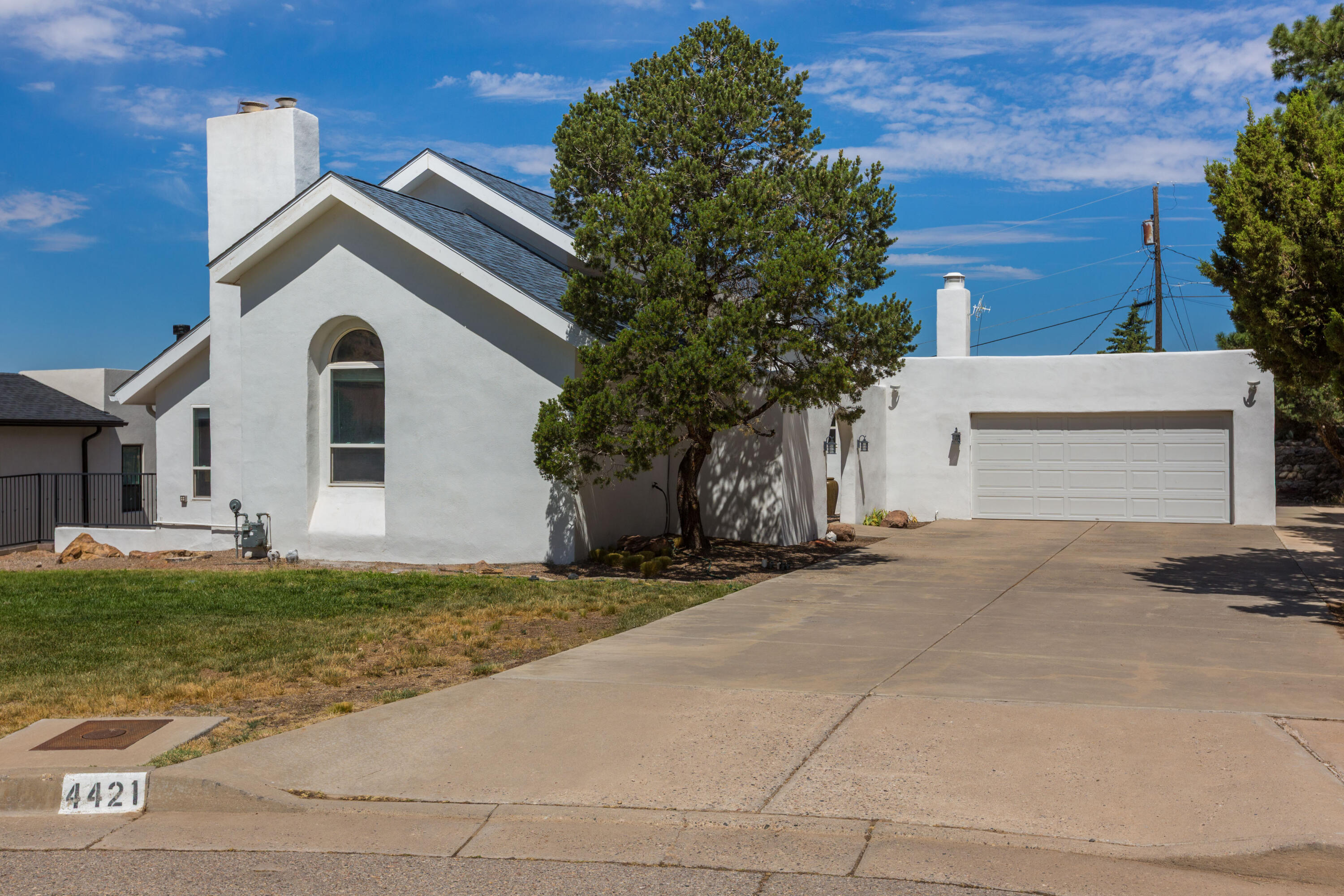
4421 HIDDEN VALLEY COURT NE, ALBUQUERQUE, NM 

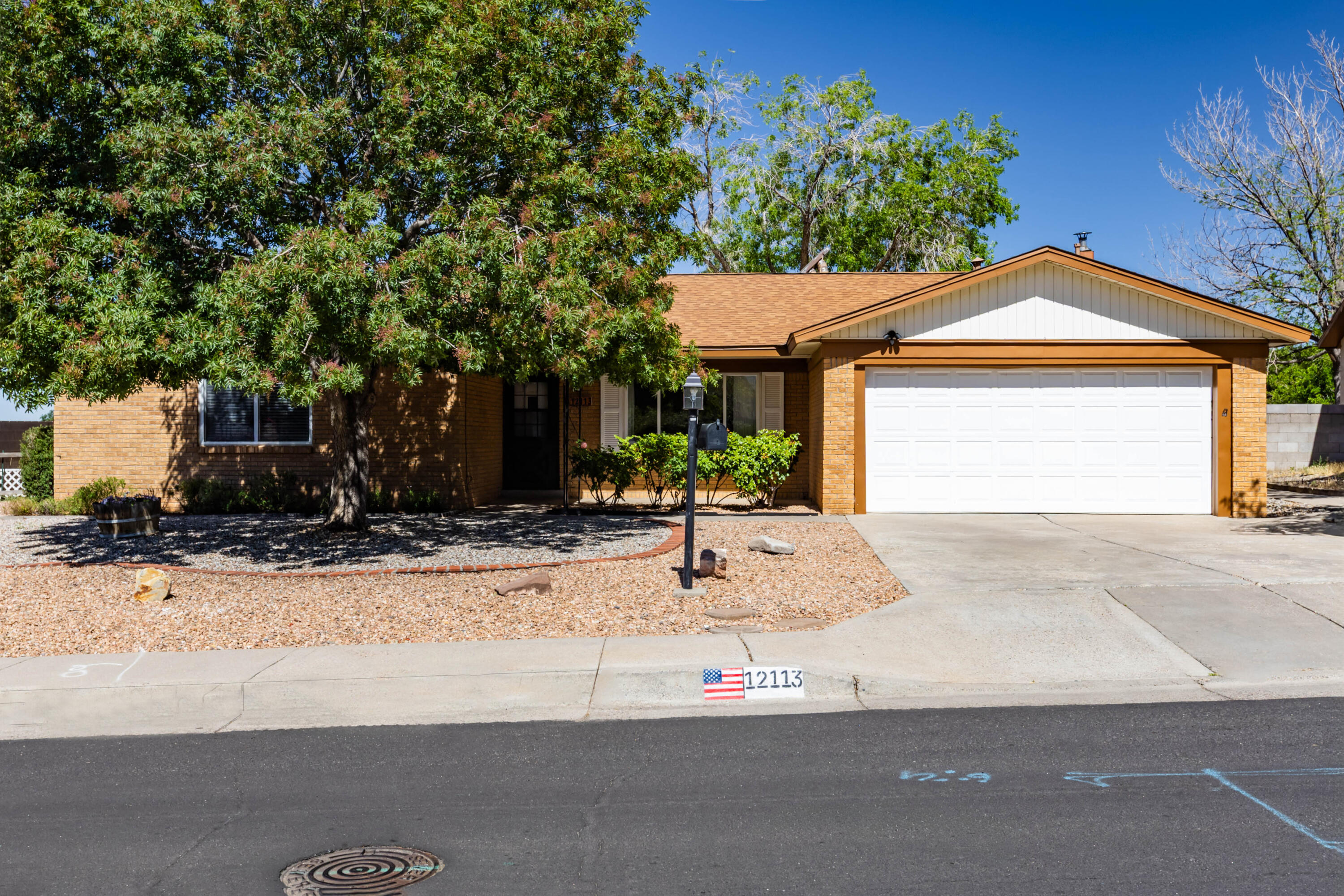
Incredible views, natural setting in the foothills, approx 1/3 acre and cul-de sac in beautiful Glenwood Hills! Fantastic flow floor plan with multiple living spaces! Lots of character & charm & modern updates. Take in the sunrise & sunsets on the wrap around deck!! 5BDRs and loft plus a finished walk-out basement offering versatile flex space for office, recreation room, exercise room plus bdrs and full bath! Spacious living, dining, kitchen and family rm & primary suite on main level. 3 fireplaces, refrig air, tankless water heaters, lots of storage space, oversized 2CG, fenced side yard off walk out basement. Updates include roof, one hvac, deck & pergola; remodeled primary bath! Terrific location close to foothills trails, parks, schools and shopping!

GET YOUR MORNING INSPIRATION WITH THE SANDI PRESSLEY TEAM


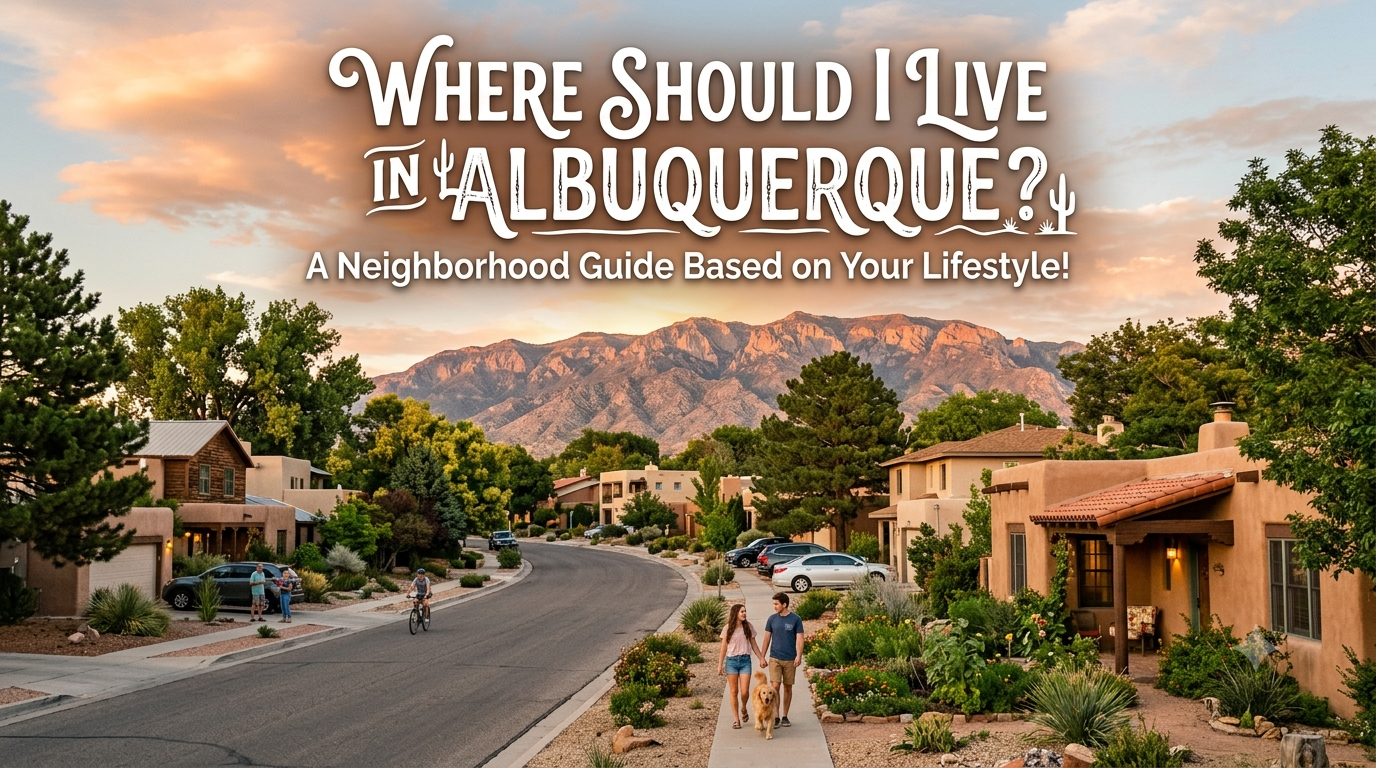
Ask five Albuquerque locals where you should live, and you'll probably hear five different answers.

One person will tell you the Northeast Heights is the obvious choice. Another will swear by North Valley. Someone else won't live anywhere except the Westside, while another can't imagine living outside Corrales or Rio Rancho. None of them are necessarily wrong. They're simply describing the part of Albuquerque that fits their lifestyle.

That's one of the things that makes this city so interesting.

Albuquerque isn't one neighborhood repeated over and over again. It feels more like a collection of communities, each with its own personality, pace, architecture, and lifestyle. In some areas you'll find quiet streets lined with mature trees and custom homes. A short drive away you may discover newer master-planned neighborhoods filled with parks, walking trails, and growing retail centers. Head in another direction and you'll find historic adobe homes, local coffee shops, art galleries, and some of the city's best restaurants.

The question isn't, "What's the best neighborhood in Albuquerque?"

The better question is:

"Which neighborhood fits the way I want to live?"

That's exactly how The Sandi Pressley Team approaches every relocation consultation. After helping buyers throughout the Albuquerque area for decades, one thing has become incredibly clear. The perfect neighborhood for one family may be completely wrong for another. Understanding how you live is every bit as important as understanding your budget.

Let's walk through some of the most common situations we hear from buyers and explore the communities that often make the most sense.

"We Have Young Kids"

Families usually begin with schools, but that's only part of the conversation.

Parents also think about parks, sidewalks, sports programs, libraries, commute times, grocery stores, and whether the neighborhood simply feels comfortable when the kids are outside riding bikes or playing with friends.

For many families, the Northeast Heights continues to be one of Albuquerque's most popular choices. Established neighborhoods, mature landscaping, numerous parks, convenient shopping, and easy access to many schools have made this area attractive for generations.

Communities near Academy Road, Paseo del Norte, and Tramway offer a wide variety of home styles while placing families close to recreation, dining, and outdoor activities. Many neighborhoods also provide quick access to the Sandia Foothills, making weekend hikes or evening walks part of everyday life.

The Westside has also become increasingly popular with younger families over the past twenty years. Neighborhoods like Ventana Ranch and Paradise Hills feature newer homes, community parks, walking trails, and expanding retail options. Many buyers relocating from other states appreciate the larger floor plans and newer construction often available in these areas.

One thing surprises many newcomers.

Family-friendly doesn't always mean the most expensive neighborhood.

Sometimes it's the combination of nearby parks, neighbors who know one another, manageable commutes, and children playing outside that creates the strongest sense of community.

"I'm Moving Here for Work"

Relocating for a new job changes the conversation.

Suddenly, your daily commute becomes part of your quality of life.

Someone working at Sandia National Laboratories may prioritize entirely different neighborhoods than someone commuting to Intel in Rio Rancho, the University of New Mexico, or one of Albuquerque's hospitals.

Professionals working near Kirtland Air Force Base often appreciate neighborhoods in the Northeast Heights, Four Hills, or portions of the Southeast Heights that provide relatively convenient access while still offering established residential communities.

Those working in Rio Rancho or with Intel frequently consider the Westside, Paradise Hills, Taylor Ranch, or Rio Rancho itself. Living closer to work can save hours every week that would otherwise be spent in traffic.

Remote workers often think differently altogether.

Without a daily commute, priorities shift toward home offices, outdoor living spaces, reliable internet, nearby coffee shops, and neighborhoods that simply feel enjoyable throughout the day. Areas like North Valley, Corrales, High Desert, and several Northeast Heights communities frequently appeal to professionals who have the flexibility to work from anywhere.

One couple relocating from Oregon recently told us they hadn't realized how much their daily happiness improved simply by replacing a stressful commute with morning walks overlooking the Sandia Mountains.

That's something no spreadsheet can measure.

"We Want Mountain Views"

If mountain views are high on your priority list, Albuquerque delivers in spectacular fashion.

The eastern edge of the city sits directly beneath the Sandia Mountains, creating some of the most dramatic scenery in the Southwest.

Communities such as High Desert, Sandia Heights, and portions of the Northeast Heights offer incredible views that change throughout the day as sunlight moves across the mountains. Sunrise and sunset become daily events rather than something you only notice on vacation.

Many buyers initially focus only on the view from inside the home.

Experienced locals often think about something else.

Access.

Living near the foothills means hiking trails, mountain biking, wildlife viewing, and open space become part of everyday life instead of occasional weekend activities.

It's not unusual for residents to finish work, grab a water bottle, and be hiking within minutes.

For outdoor enthusiasts, that's hard to beat.

"We Love Character More Than Cookie-Cutter Neighborhoods"

Not everyone wants newer construction.

Some buyers are searching for history, architecture, walkable streets, and neighborhoods with personality.

That's where areas like Old Town, Nob Hill, and North Valley begin entering the conversation.

Old Town offers centuries of history, local boutiques, museums, galleries, and some of Albuquerque's most recognizable architecture. Living nearby means festivals, cultural events, and restaurants become part of your daily surroundings.

Nob Hill attracts buyers who appreciate locally owned businesses, coffee shops, breweries, and one of Albuquerque's most walkable environments. It's particularly popular among professionals connected with the University of New Mexico and Presbyterian Hospital.

North Valley feels different from almost anywhere else in the city.

  • Large trees.
  • Country roads.
  • Horse properties.
  • Acequias.
  • Larger lots.

It's easy to forget you're only minutes from shopping, dining, and downtown Albuquerque.

Many first-time visitors are genuinely surprised that a place like North Valley exists within a metropolitan area.

"We're Looking for a Luxury Home"

Luxury means something different to every buyer.

For some, it's a custom home with panoramic mountain views. For others, it's privacy, acreage, a gated community, or simply enough room to enjoy life without feeling crowded.

Albuquerque offers several luxury communities, each with its own personality.

High Desert consistently attracts buyers looking for elegant custom homes surrounded by open space and some of the city's most impressive mountain views. Walking trails wind throughout the community, and many homes blend beautifully into the natural landscape instead of competing with it.

Tanoan remains one of Albuquerque's best-known gated golf communities. Buyers appreciate the established feel, beautifully maintained streets, mature landscaping, and convenient location near shopping, dining, and medical facilities.

North Albuquerque Acres appeals to people who value space. Homes often sit on one acre or more, allowing for workshops, guest houses, RV garages, horses, or simply the privacy that's becoming increasingly difficult to find in larger cities.

Sandia Heights offers another unique lifestyle. Tucked against the base of the Sandia Mountains, many homes enjoy breathtaking views while providing immediate access to hiking trails and outdoor recreation.

One thing many luxury buyers discover after moving here is that Albuquerque's luxury market often delivers significantly more value than comparable homes in cities like Denver, Scottsdale, or Southern California. Buyers relocating from those markets are frequently surprised by what their budget can accomplish here.

"We're Getting Ready to Retire"

Retirement changes priorities.

The daily commute disappears.

School districts become less important.

Instead, buyers often focus on convenience, healthcare, recreation, low-maintenance living, and being close to the activities they enjoy most.

Many retirees are drawn to Northeast Heights because of its established neighborhoods, proximity to medical facilities, shopping, restaurants, and relatively easy access throughout the city.

Others fall in love with North Valley for its peaceful atmosphere, mature trees, and slower pace of life.

Some buyers prefer Corrales, where the village atmosphere, larger properties, local wineries, and beautiful scenery create an entirely different lifestyle than traditional suburban neighborhoods.

Retirement doesn't always mean slowing down.

For many people, it simply means finally living where they've always wanted to.

"We Want the Best Value"

Not every buyer is searching for the biggest home or the most prestigious neighborhood.

Many simply want to make a smart financial decision.

That's where understanding Albuquerque's growth patterns becomes incredibly valuable.

Several Westside communities continue attracting buyers looking for newer construction, larger homes, and attractive pricing compared to some established areas on the east side of the city.

Taylor Ranch remains popular because of its combination of established neighborhoods, convenient shopping, and relatively affordable housing compared to nearby communities.

Paradise Hills offers another appealing option for buyers seeking newer homes, parks, and convenient access to both Albuquerque and Rio Rancho.

The definition of value isn't always buying the least expensive house.

Sometimes value means purchasing in a neighborhood with strong long-term appeal, convenient amenities, and a lifestyle you'll genuinely enjoy for years to come.

"We're a Military Family"

Military families often face unique challenges.


  • Frequent moves.
  • Tight timelines.
  • School transitions.
  • Commuting to Kirtland Air Force Base.
  • Understanding VA financing.


The Sandi Pressley Team has worked with many military families over the years, and one thing becomes clear quickly.

Convenience matters.

Many military buyers focus on neighborhoods that provide relatively easy access to Kirtland Air Force Base while still offering strong community amenities.

Four Hills, portions of the Northeast Heights, and several southeastern neighborhoods frequently become part of those conversations, depending on budget and housing preferences.

For families expecting future relocations, choosing a neighborhood with strong resale potential often becomes just as important as finding the perfect home today.

Some of Albuquerque's Best Neighborhoods Rarely Make "Best Of" Lists

One thing we've learned after decades in Albuquerque is that some of the city's most enjoyable neighborhoods aren't necessarily the ones that appear at the top of internet rankings.

Sometimes it's a quiet street where neighbors actually know one another.

Sometimes it's an older community filled with mature trees and larger lots.

Sometimes it's discovering a neighborhood coffee shop, local bakery, or walking trail that never appears in a relocation guide.

Those are the things people remember years after buying their home.

That's also why online rankings only tell part of the story.

Finding the right neighborhood isn't just about statistics.

It's about finding the place that feels like home.

The Biggest Mistake People Make

The most common mistake isn't choosing the wrong house.

It's choosing the wrong neighborhood.

Many buyers begin by filtering homes based only on price.

That seems logical.

But price alone rarely tells the whole story.

A slightly different neighborhood might provide a dramatically shorter commute.

Better access to parks.

More walkability.

Less traffic.

Better mountain views.

Or simply a lifestyle that's a much better fit.

That's why we encourage buyers to spend time exploring neighborhoods before making decisions.

Drive through them during the morning.

Visit again in the evening.

Stop at a local coffee shop.

Walk around.

Talk to people.

The house matters.

The neighborhood often matters even more.

So...Where Should You Live?

There's no single right answer.

And honestly, that's one of Albuquerque's biggest strengths.

Whether you're looking for mountain views, newer homes, historic charm, luxury living, larger lots, walkable neighborhoods, shorter commutes, or family-friendly communities, Albuquerque offers options that fit almost every lifestyle.

The key is matching your neighborhood to the way you actually live.

Not the way someone else lives.

That's exactly what The Sandi Pressley Team has been helping buyers do for decades.

The right home is important.

The right neighborhood is what turns a house into a place you'll truly enjoy calling home.

Frequently Asked Questions

What is the best neighborhood in Albuquerque?

There isn't one "best" neighborhood. The right choice depends on your budget, commute, lifestyle, and long-term goals. Communities like Northeast Heights, High Desert, North Valley, Nob Hill, Tanoan, Corrales, and several Westside neighborhoods each appeal to different buyers.

Which part of Albuquerque is best for families?

Many families choose Northeast Heights, Ventana Ranch, Paradise Hills, and Taylor Ranch because of their parks, schools, community amenities, and family-oriented atmosphere.

Where should retirees live in Albuquerque?

Popular retirement areas include Northeast Heights, North Valley, Corrales, and several low-maintenance communities throughout the metro area that offer convenient access to healthcare, recreation, and shopping.

Is the Westside a good place to live?

Absolutely. The Westside has experienced tremendous growth over the past two decades, offering newer homes, expanding retail centers, parks, and excellent value for many buyers.

How do I choose the right neighborhood?

Start by thinking about how you want to live, not just what kind of house you want. Your commute, daily routines, outdoor interests, family needs, and future plans should all play a role in your decision.

Ready to Find the Right Fit?

Buying a home is about much more than bedrooms, bathrooms, and square footage. It's about finding a neighborhood that fits your lifestyle today and still feels like the right choice years from now.

Whether you're relocating from another state or simply moving across town, The Sandi Pressley Team can help you narrow your options, compare neighborhoods, and make a confident decision based on your goals, not just a map.

Every Albuquerque neighborhood has a story.

The key is finding the one where your next chapter begins.

HOT PROPERTY OF THE WEEK

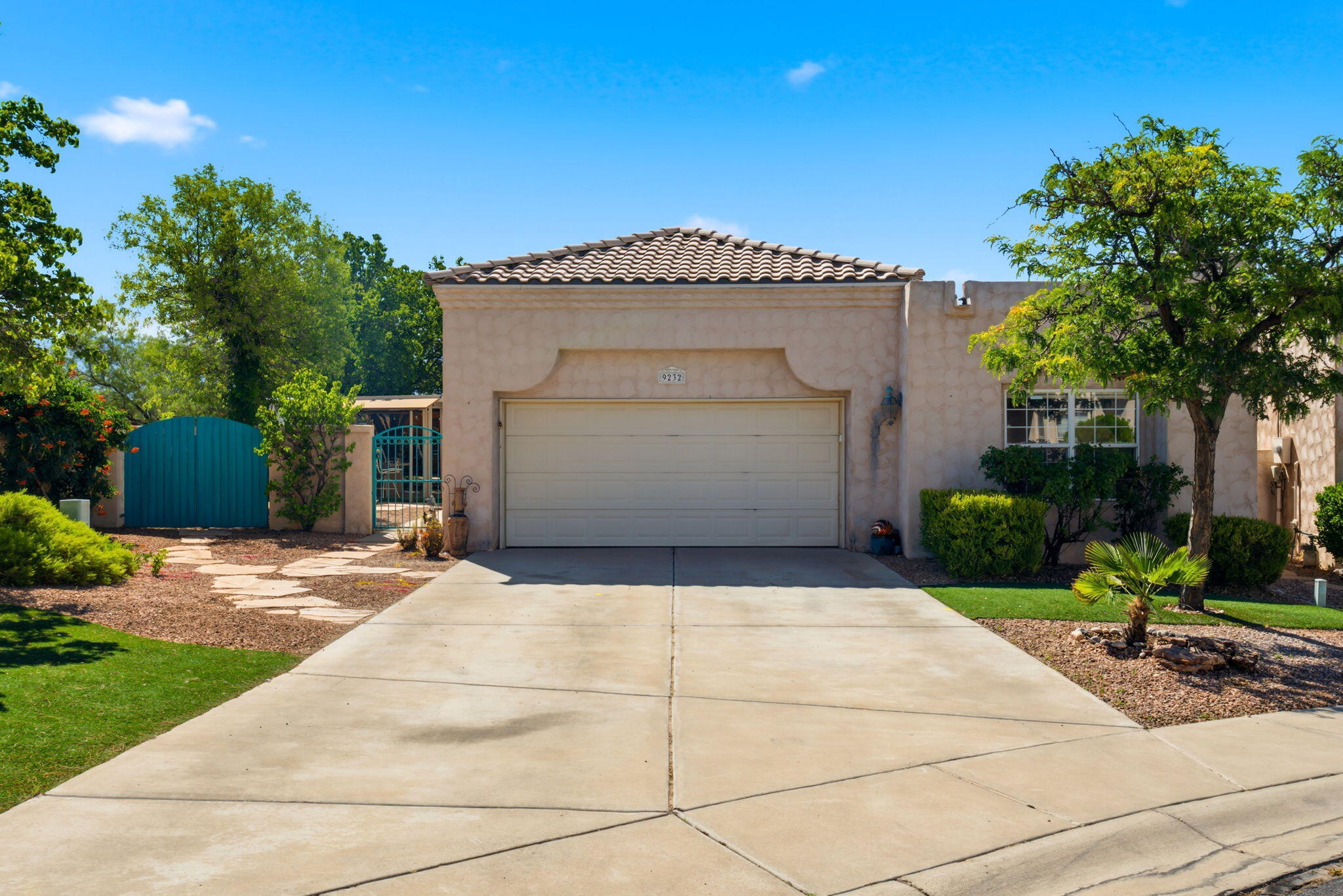
9232 MASINI LANE NW, ALBUQUERQUE, NM

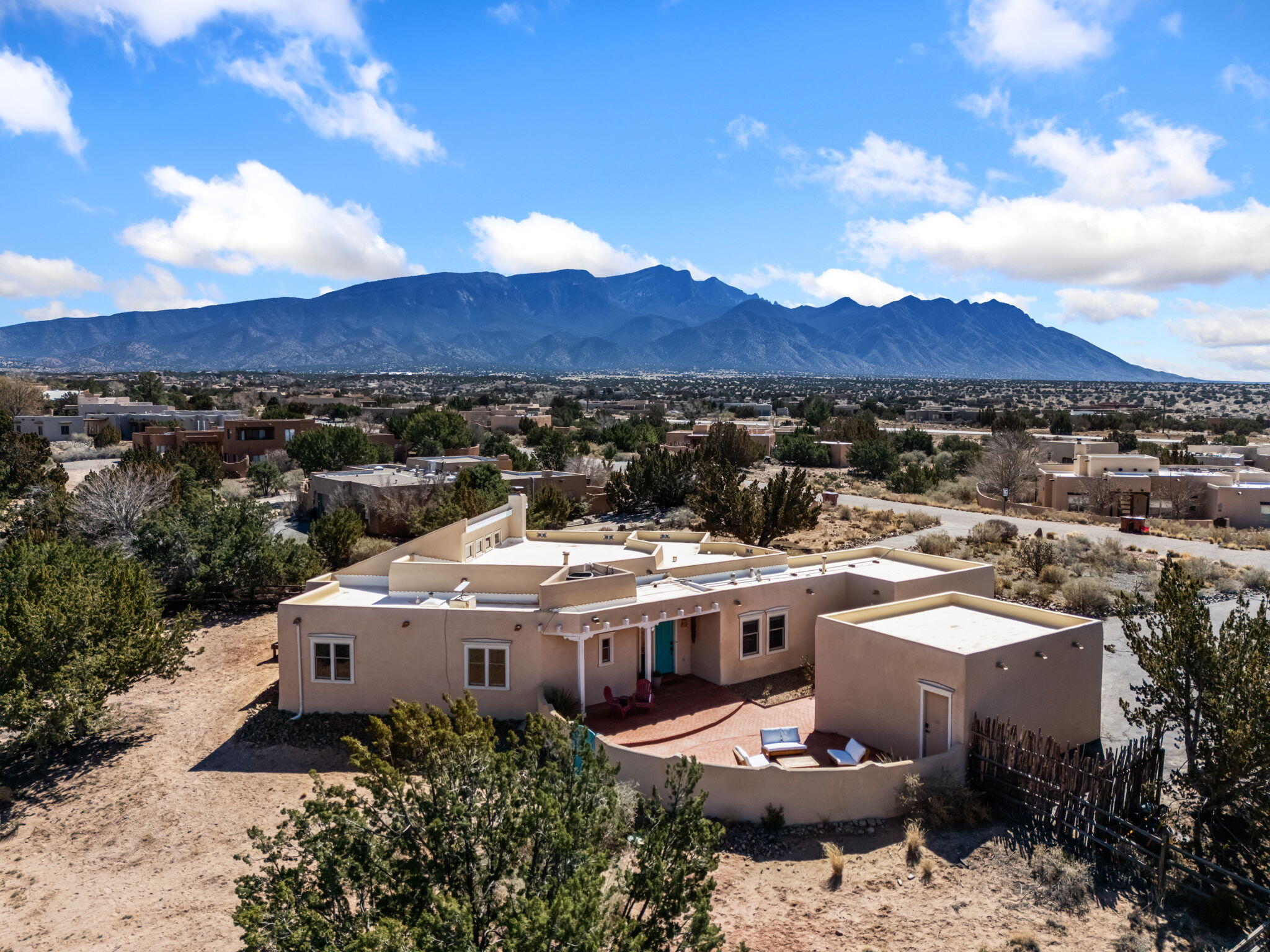
Experience resort-style living in this beautifully maintained single-story patio home in the gated community of Vista Montecito. Featuring breathtaking views of the Sandia Mountains, Rio Grande Bosque, sparkling city lights, & watching balloons during the AIBF. Designed to maximize its incredible setting, the home offers an expansive wall of east-facing windows that fills the open floor plan w/natural light. Amenities include a hot tub, sauna & covered patio. The spacious kitchen overlooks the family room, making it ideal for everyday living & entertaining. 2-way fireplace creates warmth & ambiance between the dining & family room. Functional kitchen W/Stainless appliances. Primary suite features a garden tub, separate shower, walk-in closet. This home offers a lifestyle second to none.

GET YOUR MORNING INSPIRATION WITH THE SANDI PRESSLEY TEAM

Albuquerque has always been a city that sparks strong opinions. Some people fall in love with the mountain views, sunny weather, and laid-back lifestyle almost immediately. Others wonder whether the city is the right fit because of what they've read online. So what's the truth? Is Albuquerque still a good place to live in 2026?

The answer depends on what you're looking for, but one thing is certain: Albuquerque isn't defined by a single headline or statistic. Like any major city, it has strengths, challenges, and neighborhoods that offer completely different living experiences. That's why it's important to look beyond the headlines and understand what everyday life here is really like.

For many people, Albuquerque offers something that's becoming harder to find in larger metropolitan areas. It combines a relatively affordable housing market, incredible natural beauty, a rich cultural heritage, and a slower pace of life without giving up the conveniences of a major city. Whether it's the Sandia Mountains rising above the city each morning, hundreds of miles of hiking and biking trails, or watching dozens of hot air balloons drift overhead during the Albuquerque International Balloon Fiesta, life here has a character that's difficult to duplicate.

The Sandi Pressley Team has helped thousands of buyers and sellers throughout the Albuquerque metro area, including many families relocating from other states. One thing we've learned over the years is that no two buyers are looking for exactly the same thing. Some prioritize great schools. Others want newer homes, mountain views, shorter commutes, or easy access to hiking trails. The good news is Albuquerque offers a wide variety of neighborhoods and lifestyles, making it easier to find a community that truly fits your needs.

Housing Is Still More Affordable Than Many Western Cities

One of the biggest reasons people continue relocating to Albuquerque is housing affordability.

Compared to cities like Denver, Phoenix, Salt Lake City, Austin, Las Vegas, and much of California, buyers are often surprised by how much home they can purchase for their budget. While home values have appreciated over the past several years, Albuquerque continues to offer opportunities that have become increasingly difficult to find throughout much of the Southwest.

The city's housing market is also incredibly diverse. Historic adobe homes near Old Town offer timeless Southwestern charm and walkable streets filled with local restaurants, galleries, and cultural attractions. Northeast Heights provides established neighborhoods with mature landscaping, excellent views, and convenient access to shopping and schools. The Westside features many newer communities with modern floor plans, parks, and family-friendly amenities. North Valley offers larger lots, mature trees, horse properties, and a unique rural feel that's surprisingly close to the city.

Luxury buyers have exceptional options as well. Communities such as High Desert, Tanoan, Sandia Heights, and North Albuquerque Acres feature custom homes, spacious lots, and spectacular views of the Sandia Mountains and the Rio Grande Valley.

Instead of thinking about Albuquerque as one housing market, it's more accurate to think of it as dozens of neighborhood markets, each with its own personality, price range, and lifestyle.

The Weather Is One of Albuquerque's Greatest Assets

Ask someone who recently relocated from the Midwest or Northeast what they enjoy most, and weather almost always comes up.

Albuquerque experiences more than 300 days of sunshine each year, making it one of the sunniest cities in the country. Winters are generally mild compared to many northern states, while the city's elevation helps keep summer evenings surprisingly comfortable even after warm afternoons.

Each season brings something different. Spring fills the foothills with blooming desert plants. Summer offers long evenings perfect for patio dining, concerts, and outdoor festivals. Fall is arguably Albuquerque's most beautiful season, with crisp mornings, cottonwood trees turning brilliant gold, the aroma of roasting green chile throughout the city, and the Albuquerque International Balloon Fiesta painting the morning sky with hundreds of colorful balloons. Winter occasionally brings light snow, especially near the foothills, while Sandia Peak offers skiing just minutes from many neighborhoods.

For people who enjoy spending time outdoors, Albuquerque's climate makes it possible to stay active nearly year-round.

Outdoor Recreation Becomes Part of Everyday Life

One thing that surprises many newcomers is how easily outdoor recreation fits into daily life.

Residents regularly start their mornings hiking in the Sandia Foothills before work. Cyclists enjoy the miles of trails along the Paseo del Bosque, which follows the Rio Grande through the city. Families spend weekends exploring Petroglyph National Monument, Elena Gallegos Open Space, the Bosque, or taking the Sandia Peak Tramway to experience some of the most breathtaking views in New Mexico.

Weekend adventures are never far away. Santa Fe, Taos, Jemez Springs, White Sands National Park, Bandelier National Monument, Carlsbad Caverns, and countless mountain communities are all within a reasonable drive, giving residents easy access to hiking, skiing, camping, fishing, and photography throughout the year.

For many people, Albuquerque offers something that's becoming increasingly difficult to find in larger cities: quick access to nature without spending hours in traffic.

Albuquerque's Economy Continues to Grow

Albuquerque has long been known for government, healthcare, military, and research employment, but today's economy is much more diverse than many people realize.

Major employers include Kirtland Air Force Base, Sandia National Laboratories, the University of New Mexico, Presbyterian Healthcare Services, and UNM Health. The city has also experienced continued growth in aerospace, technology, manufacturing, renewable energy, logistics, and film production.

New Mexico's film industry has expanded significantly, attracting major investments from companies like Netflix and NBCUniversal while creating opportunities for supporting businesses throughout the region.

Remote work has also contributed to Albuquerque's growth. Many professionals have discovered they can enjoy a lower cost of living, exceptional outdoor recreation, and a high quality of life while working for employers located elsewhere in the country.

For professionals seeking balance between career opportunities and lifestyle, Albuquerque continues to attract new residents from across the United States.

A Culture You Won't Find Anywhere Else

Perhaps Albuquerque's greatest strength is that it doesn't feel like every other American city.

Its history stretches back centuries, blending Native American, Hispanic, Mexican, and Anglo influences into a culture that's authentic, welcoming, and deeply rooted in tradition.

You'll quickly discover that green chile isn't simply an ingredient. It's part of everyday conversation. Local festivals celebrate art, music, food, and community throughout the year. The Gathering of Nations, New Mexico State Fair, and Albuquerque International Balloon Fiesta attract visitors from around the world while remaining important traditions for local residents.

Architecture reflects the city's heritage, with Pueblo Revival and Territorial styles giving many neighborhoods a distinctive Southwestern character that newcomers immediately recognize.

The city's food scene is equally memorable. From award-winning New Mexican restaurants serving traditional red and green chile to international cuisine representing cultures from around the world, Albuquerque offers far more culinary variety than many first-time visitors expect.

People often describe Albuquerque as authentic because it has remained true to its history while continuing to evolve. That combination creates a sense of place that's increasingly rare.

Schools, Education, and Lifelong Learning

For families with children, schools naturally become one of the biggest factors when deciding where to live. Albuquerque offers a wide variety of educational options, and the experience can vary significantly depending on the neighborhood you choose.

Albuquerque Public Schools is one of the largest school districts in the country and includes traditional public schools, magnet programs, charter schools, and specialized academies. Many families also explore private schools or nearby districts in communities such as Rio Rancho and Los Ranchos, depending on their priorities.

Higher education is another strength. The University of New Mexico serves as the state's flagship university and contributes significantly to Albuquerque's healthcare, research, and business communities. Central New Mexico Community College provides workforce training and continuing education programs that attract students of all ages.

When buyers ask us about schools, we encourage them to think beyond rankings alone. Commute times, extracurricular opportunities, neighborhood amenities, and overall lifestyle often play just as important a role in finding the right fit for a family.

Healthcare Is Readily Available Throughout the Metro Area

Healthcare is another reason many people feel comfortable relocating to Albuquerque.

The metro area is home to several major hospitals, specialty medical centers, urgent care facilities, and private practices. UNM Hospital serves as the state's only Level I Trauma Center, while Presbyterian Healthcare Services and Lovelace Health System provide comprehensive care throughout the region.

As Albuquerque continues to grow, healthcare services continue expanding as well, making it easier for residents to access everything from routine care to specialized treatment without leaving the city.

For retirees and families alike, having quality healthcare close to home offers valuable peace of mind.

Cost of Living Remains Competitive

One of Albuquerque's strongest advantages continues to be its overall cost of living.

While inflation has affected nearly every part of the country, Albuquerque generally remains more affordable than many western metropolitan areas. Housing costs are often lower than cities throughout Colorado, Arizona, Nevada, Texas, and California, allowing many buyers to purchase larger homes or reduce their monthly housing expenses.

Utilities, transportation, dining, entertainment, and recreational opportunities also remain reasonably priced compared to many larger cities. Residents can enjoy professional sporting events, local festivals, museums, outdoor concerts, and world-class hiking without the higher costs associated with many major metropolitan areas.

For buyers relocating from more expensive housing markets, Albuquerque often provides an opportunity to improve both affordability and quality of life.

Every Neighborhood Has Its Own Personality

One of the biggest mistakes newcomers make is assuming Albuquerque feels the same everywhere. It doesn't.

Northeast Heights remains one of the most popular choices for families thanks to established neighborhoods, shopping, restaurants, parks, and convenient access to schools.

High Desert attracts buyers looking for luxury homes, newer construction, open space, and incredible mountain views.

North Albuquerque Acres offers larger custom homes, acreage, privacy, and a more rural atmosphere while remaining close to city conveniences.

North Valley appeals to buyers searching for mature trees, larger lots, horse properties, and a unique blend of country living within the city.

Downtown and Old Town continue attracting buyers who appreciate walkability, history, restaurants, galleries, and Albuquerque's vibrant cultural scene.

Westside neighborhoods have experienced significant growth over the past two decades, offering newer homes, expanding retail centers, and excellent value for many buyers.

No single neighborhood is "best." The right community depends entirely on your lifestyle, budget, commute, and long-term goals.

Commute Times Are Surprisingly Manageable

Compared to many major metropolitan areas, Albuquerque offers relatively manageable commute times.

Whether you're traveling downtown, to Kirtland Air Force Base, Sandia National Laboratories, Intel in nearby Rio Rancho, the University of New Mexico, or one of the city's healthcare campuses, many residents find they spend considerably less time sitting in traffic than they did in previous cities.

Of course, traffic increases during peak commuting hours, but most newcomers are pleasantly surprised by how quickly they can travel from one side of the metro area to the other.

That extra time often becomes one of the unexpected lifestyle benefits people appreciate after relocating.

Who Thrives in Albuquerque?

Albuquerque isn't trying to be Denver, Phoenix, or Austin. That's actually part of its appeal.

The city is an excellent fit for people who appreciate outdoor recreation, sunshine, cultural diversity, and a slightly slower pace of life. It's especially attractive for retirees, military families, healthcare professionals, engineers, remote workers, entrepreneurs, and anyone looking for greater housing value without giving up access to restaurants, entertainment, and modern conveniences.

Families often appreciate the variety of neighborhoods, parks, youth sports, and recreational opportunities available throughout the metro area.

Outdoor enthusiasts enjoy having hiking, mountain biking, skiing, fishing, camping, and national parks within easy reach.

People looking for a strong sense of local identity often discover Albuquerque offers something refreshingly different from many rapidly growing cities that have begun to feel increasingly alike.

Is Albuquerque Right for Everyone?

Probably not.

If your ideal lifestyle revolves around dense urban living, high-rise condominiums, extensive public transportation, or four distinct seasons with heavy snowfall, another city may be a better fit.

Likewise, buyers expecting every neighborhood to offer the same amenities or character may be surprised by how much Albuquerque changes from one area to another.

That's why local guidance matters.

Finding the right neighborhood often makes the difference between simply moving to Albuquerque and truly feeling at home here.

Frequently Asked Questions

Is Albuquerque a good place to raise a family?

For many families, yes. Albuquerque offers diverse neighborhoods, outdoor recreation, youth activities, higher education opportunities, and housing options that remain more affordable than many comparable western cities.

Is Albuquerque expensive to live in?

Compared to many cities throughout the Southwest and Mountain West, Albuquerque generally offers a lower overall cost of living, particularly when it comes to housing.

What are the nicest areas of Albuquerque?

Popular neighborhoods include Northeast Heights, High Desert, North Albuquerque Acres, Tanoan, Four Hills, North Valley, and several growing communities on the Westside. The best neighborhood depends on your lifestyle, commute, and budget.

Does Albuquerque get snow?

Yes, but not much. Most winters bring occasional snowfall, while the nearby Sandia Mountains receive enough snow for winter recreation.

Why are so many people moving to Albuquerque?

Many buyers are attracted by the combination of affordability, sunshine, outdoor recreation, growing employment opportunities, unique culture, and exceptional natural beauty.

Final Thoughts

Albuquerque isn't perfect, and no city is. What makes it special is the balance it offers.

You can spend the morning hiking in the Sandia Mountains, enjoy lunch at a locally owned New Mexican restaurant, explore museums or Old Town in the afternoon, and still be home before sunset with one of the most spectacular mountain backdrops in the country outside your window.

For thousands of families, professionals, retirees, and military members, Albuquerque has become more than a place to live. It's become home.

If you're considering buying a home in Albuquerque or relocating from another city or state, having experienced local guidance can make the process much easier. The Sandi Pressley Team has spent decades helping buyers understand the differences between neighborhoods, home styles, schools, commute patterns, and market conditions throughout the Albuquerque metro area. Whether you're just beginning your research or you're ready to start touring homes, we're here to help you make a confident, informed decision that's right for your goals.


HOT PROPERTY OF THE WEEK
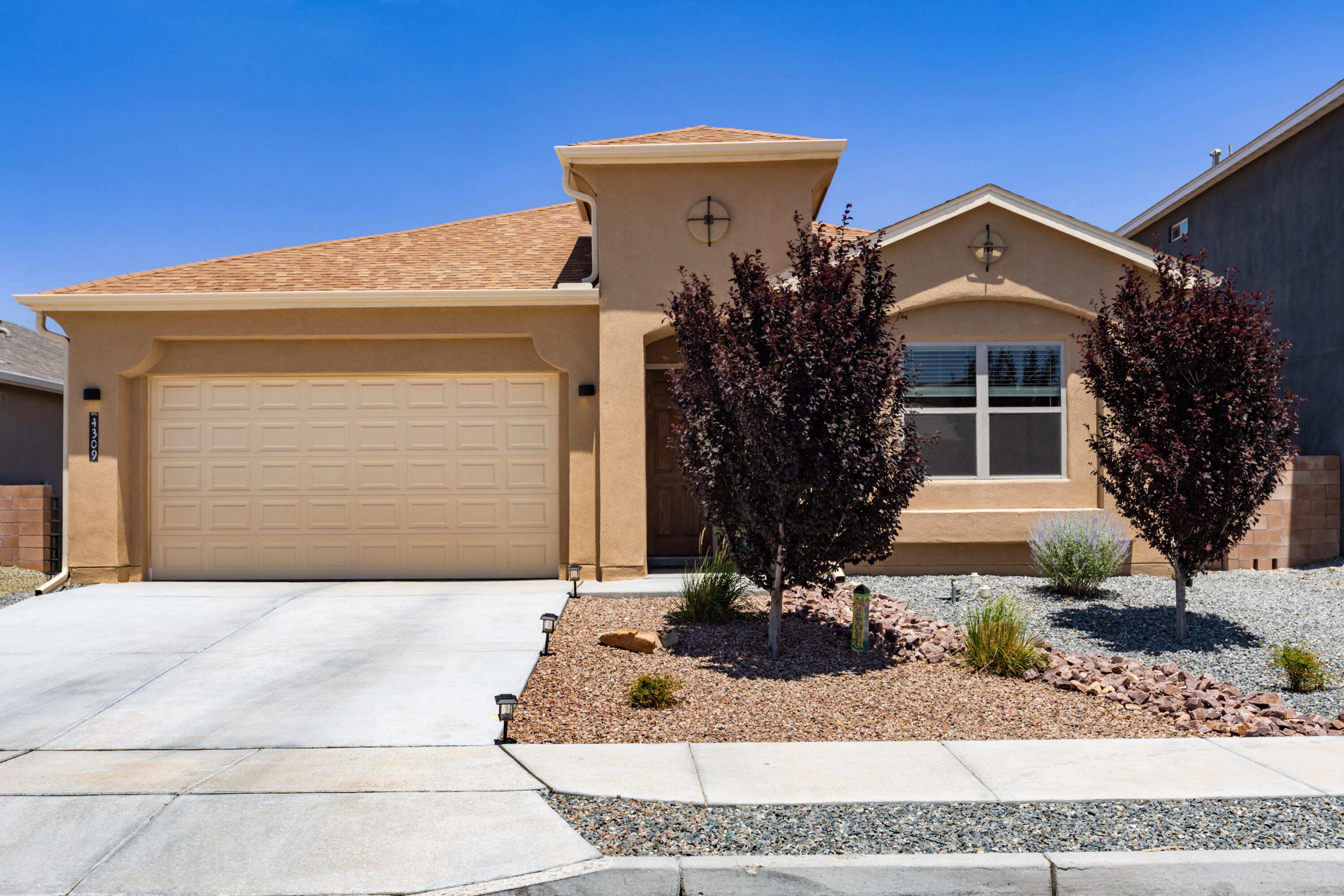

4309 BALD EAGLE LOOP NE, RIO RANCHO, NM 

Comfort and luxury abound in this elegant 3BDR/2BA home! PREPAID PID! Gorgeous entry, light, bright & open! Tile flooring thru out entry, hallway, kit & din rm & 2nd BDR. Newer carpet in living room & primary bedroom (2025). Spacious living room features a custom tile design to the ceiling at gas fireplace. Modern kitchen has SS appls, built in-wall oven & micro, gas cooktop, LG refrig, pantry, cabinet crown molding, granite countertops & island/bar w/seating. Primary suite features recessed ceiling & custom closet w/addl drawers, shelving & cabinet storage. Primary bath has dual sink vanity w/granite countertops, water closet & linen closet. Amenities; Water softener, tankless WH w/recirc pump, rain gutters, window drapes & custom blinds in living room & primary bath. Starlink dish.


GET YOUR MORNING INSPIRATION WITH THE SANDI PRESSLEY TEAM

How to Write the Right Offer on a Home in Albuquerque

by Sandi Pressley

If you're buying a home in Albuquerque right now, you may have heard that the market has "slowed down" compared to a few years ago. While there is some truth to that, many buyers are surprised to discover that the right homes are still selling quickly and, in some cases, receiving multiple offers. That's especially true for well-maintained homes in popular areas like North Albuquerque Acres, Tanoan, High Desert, the North Valley, and many neighborhoods throughout Rio Rancho. Because of that, writing the right offer has become one of the most important parts of the home-buying process.

Many people assume that getting a home under contract is all about offering the highest price. In reality, price is only one piece of the puzzle. Sellers are looking at the entire package. They want to know whether the buyer can actually close, whether the financing looks solid, whether the timeline works for their situation, and whether the transaction is likely to be smooth and predictable. Sometimes a seller will choose a lower-priced offer simply because it feels stronger and carries less risk.

At the Sandi Pressley Team, we've helped buyers navigate every type of market in Albuquerque, from highly competitive seller's markets to more balanced conditions like we're experiencing in 2026. One thing never changes. The buyers who understand how to structure a smart offer are the ones who put themselves in the best position to succeed.

Why Writing the Right Offer Matters So Much in Albuquerque

Real estate is incredibly local. Advice that works in Phoenix, Dallas, or Denver doesn't always apply in Albuquerque. Our market has its own rhythms, neighborhoods, and challenges. A strategy that works in another city may not work here because every market has different inventory levels, buyer demand, and seller expectations.

Many of Albuquerque's established neighborhoods feature older homes with unique characteristics. A beautiful property in the North Valley or Nob Hill may have mature landscaping, adobe features, and incredible charm, but it may also come with older plumbing, aging electrical systems, or roof considerations that require additional attention. Homes in the East Mountains can involve wells, septic systems, and specialized inspections that buyers relocating from another state may have never encountered before. Some communities have active homeowners associations, while others have few restrictions at all.

These local factors can directly affect how an offer should be written. An experienced real estate team understands how these issues influence negotiations and can help buyers make informed decisions before submitting an offer. A buyer working without local guidance can unknowingly structure an offer that creates unnecessary risk or makes the seller nervous about accepting the contract.

The Albuquerque Housing Market in June 2026

As of June 2026, Albuquerque remains a competitive market in many price ranges, even though conditions have become more balanced than they were several years ago. Inventory has improved from the historic lows we experienced during the height of the pandemic market, but there still are not enough homes available in some price points to fully satisfy buyer demand.

Homes priced between approximately $300,000 and $500,000 continue to attract strong interest, particularly if they are updated, move-in ready, and located in desirable neighborhoods. Buyers shopping in areas such as High Desert, Tanoan, North Albuquerque Acres, and portions of Rio Rancho often find themselves competing with multiple offers on the right property.

This means buyers cannot simply find a home they love and assume it will still be available next week. They need to be prepared, understand their finances, and have a strategy in place before they begin touring homes.

The Highest Offer Doesn't Always Win

This surprises many buyers because it seems logical that the seller would simply choose the person willing to pay the most money. In reality, sellers are evaluating much more than price. They are asking themselves which buyer is most likely to get to the closing table without problems.

Imagine two offers arriving on the same day. One buyer offers ten thousand dollars more than the other but has not been fully pre-approved, needs substantial seller-paid closing costs, and is using an out-of-state lender who may not be familiar with New Mexico transactions. The second buyer offers slightly less but has strong financing, a reputable local lender, a larger earnest money deposit, and can close on the exact timeline the seller prefers.

Many sellers choose certainty over chasing every last dollar. The best offer is often the one that balances price with strength, flexibility, and confidence.

Financing Can Make or Break an Offer

One of the first things listing agents review is the financing portion of the contract. Sellers want reassurance that the buyer has the financial ability to complete the purchase. A strong pre-approval letter tells the seller that a lender has already reviewed income, assets, credit, and supporting documentation.

There is a significant difference between being pre-qualified and being pre-approved. A pre-qualification is often based on information a buyer provides verbally, while a pre-approval generally involves documentation and a much deeper review of the buyer's financial picture.

In Albuquerque, sellers and listing agents frequently pay attention to who the lender is. A local lender who communicates well and understands the New Mexico market can strengthen an offer. Listing agents often appreciate knowing they can quickly reach the lender if questions arise during the transaction.

The financing behind your offer matters just as much as the number written on the purchase contract.

Earnest Money Says More Than Buyers Realize

Earnest money is often misunderstood by first-time buyers. Many people view it as simply another check they need to write, but sellers see it differently. Earnest money demonstrates commitment and shows that the buyer is serious about purchasing the property.

A stronger earnest money deposit does not automatically guarantee that you'll win the home, but it can make your offer more attractive because it signals confidence and financial stability. Every situation is different, which is why there is never a one-size-fits-all approach. The appropriate amount depends on the property, the competition, and the overall structure of the offer.

This is another area where experience matters because a seasoned real estate team understands when a larger deposit can strengthen an offer and when it may not be necessary.

The Importance of Timing

Many buyers focus almost entirely on price and forget to ask one simple question. What does the seller need?

Sometimes a seller needs a quick closing because they have already relocated. Other times they are purchasing another home and need additional time after closing. Occasionally a seller may need a temporary leaseback arrangement because of school schedules, a job transfer, or family circumstances.

Understanding these details can dramatically improve the attractiveness of an offer. Some of the homes we've helped buyers secure over the years were not won because our clients offered the most money. They won because we took the time to understand the seller's priorities and structured an offer that solved the seller's problem.

Real estate is still a people business, and the strongest offers are often the ones that create a win for everyone involved.

Why Contingencies Matter

A contingency is simply a condition that must be met before the transaction can move forward. Inspection contingencies, financing contingencies, and appraisal contingencies all exist to protect the buyer. However, how these contingencies are written can influence how attractive your offer appears to the seller.

That does not mean buyers should waive important protections simply to win a house. Purchasing a home is one of the largest financial decisions most people will ever make. Instead, it means understanding how to structure contingencies appropriately and avoid asking for unnecessary terms that create concern for the seller.

An experienced real estate team can help buyers understand where flexibility makes sense and where protections should remain firmly in place.

Why Local Experience Matters More Than Ever

Every real estate transaction is different. Every seller has a different motivation, every home has a different story, and every neighborhood has its own nuances.

Buying in Nob Hill is very different from buying in Four Hills. Purchasing in North Albuquerque Acres is different from purchasing in Ventana Ranch or Rio Rancho. Some neighborhoods have older custom homes. Others feature newer construction with active homeowners associations. Some areas may involve irrigation rights, wells, septic systems, or unique inspection considerations.

The Sandi Pressley Team has spent decades helping buyers navigate the Albuquerque market. We understand these nuances because we work in them every day. We know which questions to ask, what issues to anticipate, and how to position our buyers to submit offers that are both competitive and smart.

A Real-Life Example

Not long ago, we worked with buyers who had fallen in love with a home in Northeast Albuquerque. The property had received multiple offers within the first few days on the market, and our buyers assumed they needed to dramatically increase their offer price to have any chance of winning.

Instead, we learned that the seller's biggest concern was timing. They were purchasing another home and needed a specific closing schedule that aligned with their move. We structured our buyers' offer around the seller's timeline and worked closely with the lender to ensure every detail was in place.

Our clients did not submit the highest offer. They submitted the offer that worked best for the seller, and they got the house.

That is the difference strategy can make.

Common Mistakes Home Buyers Make

One of the biggest mistakes buyers make is waiting too long to make a decision. The right house does not always wait, especially in Albuquerque's most desirable neighborhoods.

Another common mistake is becoming emotionally attached before understanding the financial implications of the purchase. Falling in love with a home is easy. Making sure the monthly payment still supports your long-term goals is equally important.

Many buyers also assume the listing price determines value. In reality, the asking price is simply a starting point. Understanding comparable sales, neighborhood trends, and market conditions is essential before deciding what a home is truly worth.

Perhaps the biggest mistake of all is approaching the process without a strategy. Every offer should be intentional, and every term should serve a purpose.

Why Partner with the Sandi Pressley Team

Buying a home is exciting, but it can also be emotional, competitive, and stressful. Having experienced professionals guiding you through the process can make all the difference.

The Sandi Pressley Team is an Albuquerque, New Mexico real estate team that has helped buyers navigate every type of market condition. We understand the neighborhoods, the contracts, the negotiations, and the details that often determine whether an offer succeeds or fails.

Because buying a home is not simply about finding the right property. It is also about writing the right offer.

And sometimes, that makes all the difference.

Frequently Asked Questions

Many buyers ask whether they should always offer above the asking price. The answer is no. Every property is different, and the right strategy depends on the home, the competition, and the seller's circumstances.

Buyers also wonder whether FHA and VA financing can still compete in Albuquerque. The answer is absolutely yes. Strong financing, good communication, and a well-structured offer can make these loans very competitive.

Another common question involves earnest money and whether it is refundable. Under certain circumstances and contingencies, it can be. Understanding the contract and your protections is important before submitting an offer.

Finally, many buyers ask whether they truly need a local real estate team. The answer is simple. Local expertise helps you understand neighborhoods, pricing trends, negotiation strategies, and market conditions that national websites simply cannot provide.

Ready to Buy a Home in Albuquerque?

If you're thinking about buying a home in Albuquerque, Rio Rancho, Corrales, Los Ranchos, or the surrounding communities, we'd love to help. The Sandi Pressley Team is dedicated to helping buyers make smart decisions and write offers that put them in the best possible position to succeed.

Whether you're buying your first home, moving across town, or relocating to New Mexico, our team is here to help you navigate every step of the process with confidence, clarity, and local expertise.


HOT PROPERTY OF THE WEEK


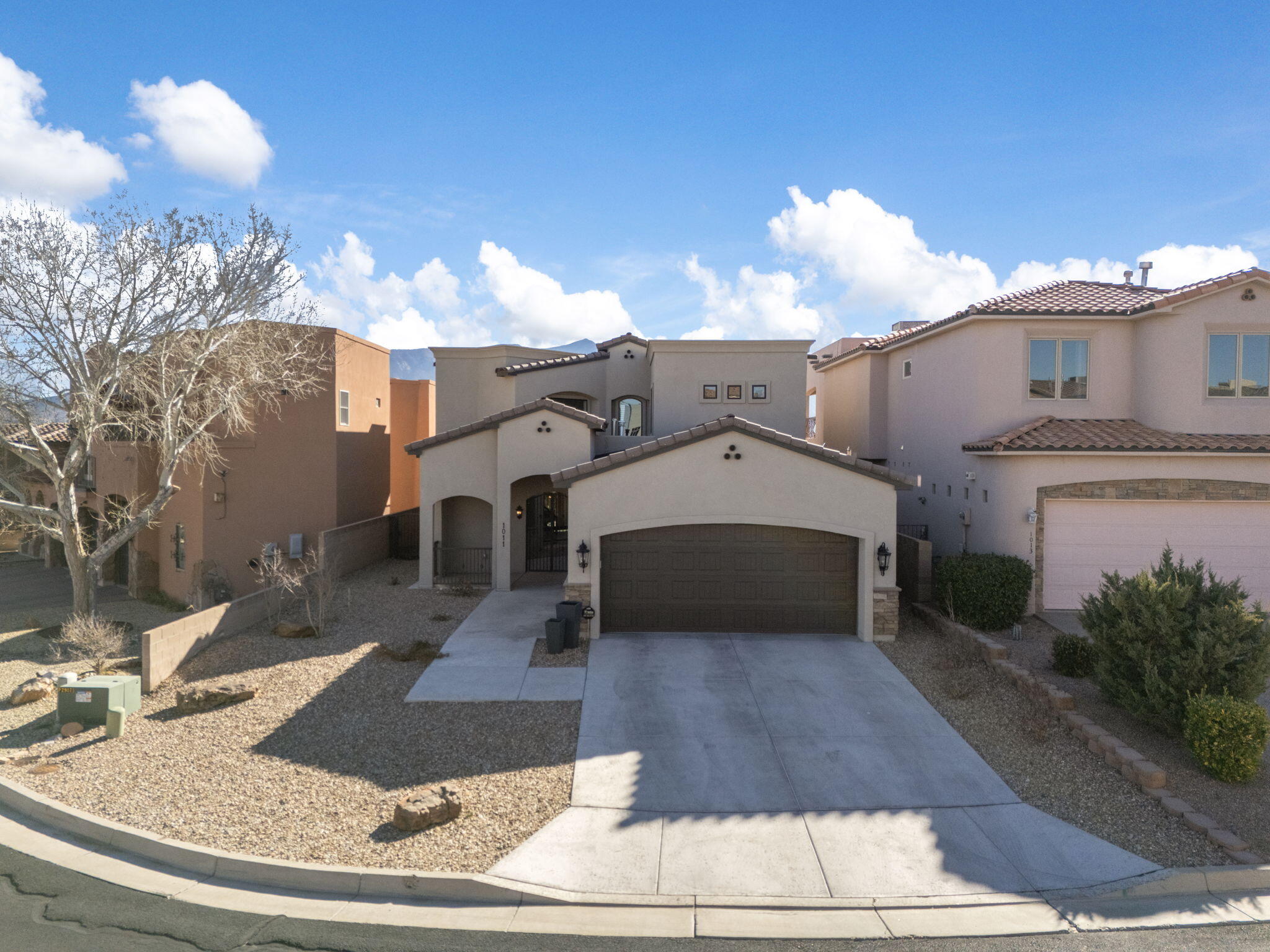
1011 C DE BACA LANE, BERNALILLO, NM

Enjoy spectacular views! This two story luxury home, situated within a hidden gated community in Bernalillo, just west of The Rio Grande River offers a classic & functional design. Step inside to find expansive windows & rooms flooded w/light. A true gourmet kitchen, Viking appliances, pot filler, quartz counter tops, wine cooler & extended counters & cabinets for all your cooking essentials. Kitchen island with ample room for dining. Two sets of sliding glass doors to a patio w/outdoor kitchen & pergola. With over 2900 sq ft of living space, the home includes 2 living areas, one on each floor. Primary suite on main level offers, sliding glass doors to open patio with more VIEWS. Spa like bath showcases dual vanity, slipper tub, oversized shower. Custom closet w/a full range of built-ins.

GET YOUR MORNING INSPIRATION WITH THE SANDI PRESSLEY TEAM

Every week we talk to families who are excited about moving to Albuquerque and completely overwhelmed by where to start. They have spent hours reading neighborhood rankings, scrolling through Reddit threads, watching YouTube videos, and comparing crime maps, yet they often end up more confused than when they started. Albuquerque is one of those cities that is difficult to understand from a distance because the experience of living here can change dramatically from one part of town to another. A neighborhood that feels perfect for one family may be completely wrong for another.

That is why the question isn't really, "What is the best neighborhood in Albuquerque?" The better question is, "What is the best neighborhood for the way your family wants to live?"

After helping buyers throughout Albuquerque, Rio Rancho, Corrales, and the surrounding area, the Sandi Pressley Team has found that families are usually looking for a combination of the same things. They want to feel comfortable in their neighborhood. They want convenient access to work, schools, parks, restaurants, and everyday shopping. They want a home that fits their budget without feeling like they had to sacrifice everything that matters. Most importantly, they want confidence that they are making the right decision for the next chapter of their lives.

One of the biggest surprises for people relocating here is how different Albuquerque feels depending on where you are standing. Someone can drive fifteen minutes and feel like they are in a completely different city. The historic charm of Nob Hill feels nothing like the larger custom homes found in North Albuquerque Acres. The foothill communities near the Sandias offer a different lifestyle than neighborhoods closer to Downtown or the West Side. That variety is one of Albuquerque's greatest strengths, but it can also make choosing a neighborhood feel intimidating.

The good news is that there is no single "best" area because Albuquerque offers several excellent options depending on what matters most to your family. Some buyers care most about proximity to Sandia National Laboratories or Kirtland Air Force Base. Others are focused on schools, outdoor recreation, newer homes, or finding the most house for their money. The answer changes based on those priorities.

When families moving from California, Texas, Colorado, Arizona, and other parts of the country call our team, one area consistently rises to the top of the conversation. Northeast Heights has remained one of Albuquerque's most desirable places to live for decades, and there are good reasons why. The area combines established neighborhoods, mature landscaping, convenient shopping, and access to some of the city's most popular parks and recreation areas. Many of the homes were built on larger lots than what buyers find in newer developments, and the neighborhoods tend to feel established rather than recently constructed.

There is also a sense of stability that many families immediately notice. The streets are lined with mature trees. Neighbors often know each other. Local restaurants and businesses have been serving residents for years rather than months. For buyers coming from rapidly growing metro areas, that sense of permanence is refreshing.

That said, Northeast Heights is not a single neighborhood. It is a large portion of the city that contains many distinct communities. Some areas feature homes built in the 1970s and 1980s with spacious yards and mature landscaping. Others include luxury communities with mountain views and custom homes. Buyers who assume all of Northeast Heights is the same often overlook some of the best opportunities available.

As conversations continue, many families become interested in the foothill communities that sit closer to the Sandia Mountains. High Desert is one of the neighborhoods that generates the most attention, especially among buyers who spend weekends hiking, biking, running, or simply enjoying the outdoors. Living in High Desert feels different than living in most suburban neighborhoods because nature is part of everyday life. Residents can walk outside and immediately access miles of trails and open space. Mountain views become part of the backdrop rather than something you drive to see.

The homes in High Desert tend to attract buyers who appreciate architecture, scenery, and privacy. While housing prices are often higher than some other Albuquerque neighborhoods, many residents believe the lifestyle justifies the premium. It is difficult to place a value on stepping outside your front door and being only minutes away from some of the most beautiful outdoor recreation in New Mexico.

One thing many online neighborhood rankings fail to explain is that the "best" neighborhood often depends on where you work. A beautiful home can lose some of its appeal when the daily commute becomes frustrating. Families working at Sandia Labs, Kirtland Air Force Base, UNM, Downtown Albuquerque, Presbyterian Hospital, or Intel frequently benefit from different location strategies. That is one reason generic national rankings often miss the mark. They don't account for the reality of everyday life in Albuquerque.

A mistake we see fairly often is people trying to choose a neighborhood before they understand how they will actually use the city. They focus on a list they found online or a recommendation from someone who lived here ten years ago, and they start narrowing their search before they have experienced Albuquerque for themselves. The reality is that two families with identical budgets can end up happiest in completely different areas because their priorities are different.

A family with young children who wants access to parks, walking trails, and larger lots may feel completely at home in North Albuquerque Acres. Another family may prefer being close to restaurants, coffee shops, and local events, making Nob Hill or parts of the Northeast Heights a much better fit. Someone relocating to work at Intel may find that Rio Rancho offers the right balance of convenience and value, while a Sandia Labs employee may appreciate being closer to the foothills or eastern portions of the city.

This is why the home search process should begin with lifestyle rather than a ZIP code.

One area that continues to attract families looking for additional space is North Albuquerque Acres. People moving from larger metropolitan areas are often surprised by the amount of land available compared to what they are accustomed to finding elsewhere in the West. Larger lots, custom homes, mountain views, and a quieter atmosphere have made the area consistently popular among buyers who do not want the feel of a traditional subdivision.

There is a sense of openness in North Albuquerque Acres that is difficult to replicate elsewhere in the city. Many properties offer room for workshops, recreational vehicles, home offices, guest quarters, or simply the privacy that comes from having more distance between neighboring homes. Families who enjoy entertaining, spending time outdoors, or simply having room to spread out often find themselves gravitating toward this part of Albuquerque.

At the same time, residents are not isolated from city conveniences. Shopping, dining, healthcare facilities, and major roadways remain accessible. That combination of space and convenience explains why homes in the area continue to generate strong interest from both local and relocating buyers.

For families who prioritize newer construction, Rio Rancho remains one of the strongest options in the Albuquerque metro area. Over the past two decades, Rio Rancho has transformed from what many considered a distant suburb into a thriving community with its own identity, schools, shopping centers, healthcare facilities, and employment opportunities.

One of the reasons Rio Rancho continues attracting buyers is simple economics. In many cases, families can purchase a newer home with more square footage and modern features than they would find in some Albuquerque neighborhoods at a similar price point. Open floor plans, larger kitchens, energy-efficient construction, and community amenities appeal to buyers who want a newer home without leaving the metropolitan area.

Rio Rancho also benefits from its proximity to Intel and other major employers. For many professionals, reducing commute times becomes a significant factor when deciding where to live. Spending less time in traffic and more time with family has real value, and that value often influences purchasing decisions more than buyers initially realize.

Of course, every location comes with tradeoffs. Depending on where someone works, Rio Rancho may mean a longer drive into portions of Albuquerque. Some buyers love the newer communities and suburban feel, while others prefer the character and established nature of older neighborhoods. Neither approach is right or wrong. It simply comes down to personal preference.

When conversations turn toward walkability and local culture, Nob Hill almost always enters the discussion. There is a reason so many people moving to Albuquerque ask about it. Nob Hill has a personality that feels distinct from almost anywhere else in the city. Historic homes, local restaurants, independent businesses, community events, and proximity to the University of New Mexico create an atmosphere that many residents find appealing.

Families are sometimes surprised to learn that Nob Hill is not exclusively for young professionals or university employees. Many long-term residents have raised families there and appreciate the ability to walk to local businesses, attend neighborhood events, and enjoy a stronger sense of connection to the surrounding community.

The homes themselves are often part of the appeal. Buyers looking for character rather than cookie-cutter construction frequently discover architectural details and craftsmanship that are difficult to find in newer developments. While older homes sometimes require additional maintenance, many homeowners feel the charm and uniqueness are worth it.

Another community that deserves attention is Corrales. Technically separate from Albuquerque, Corrales offers a lifestyle that feels almost rural despite being minutes from urban amenities. Tree-lined roads, horse properties, local farms, and a slower pace attract buyers who want something different from traditional suburban living.

Corrales is particularly popular among buyers relocating from areas where rural property has become prohibitively expensive. The village maintains a unique character that residents fiercely protect. While it may not be the ideal fit for every family, those who value open space, privacy, and a strong sense of community often fall in love with the area very quickly.

School discussions inevitably become part of many relocation conversations, and understandably so. Families often ask us to identify the "best schools" in Albuquerque. While school performance data is publicly available and should always be reviewed directly, we encourage buyers to think beyond rankings alone.

The right school environment depends on the individual needs of each child. Academic programs, extracurricular opportunities, class sizes, transportation logistics, and personal learning styles all play important roles. We frequently encourage relocating families to research schools thoroughly and visit campuses whenever possible before making final housing decisions.

One of the biggest advantages Albuquerque offers is the diversity of educational options available throughout the metro area. Different neighborhoods provide access to different opportunities, making location selection an important piece of the overall decision.

Another factor many buyers underestimate is commute time. Albuquerque is not Los Angeles, Phoenix, or Dallas, but where you live still influences how you experience the city every day.

Someone working at Sandia National Laboratories may prefer portions of Northeast Heights, the foothills, or southeastern areas that provide easier access to the base and laboratory facilities. Professionals affiliated with the University of New Mexico often find central Albuquerque locations appealing because they reduce daily travel time. Buyers working at Intel frequently focus on Rio Rancho because of its proximity to campus.

These commute considerations may seem minor during the excitement of searching for homes, but they become much more significant after moving day arrives. Saving twenty or thirty minutes each direction adds up quickly over the course of a year.

One thing that surprises many relocating families is how much Albuquerque offers outside of work and housing. The city sits in a unique position where outdoor recreation becomes part of everyday life. The Sandia Mountains provide hiking, mountain biking, skiing, and breathtaking views. The Bosque offers miles of trails along the Rio Grande. Balloon Fiesta Park hosts one of the world's most recognizable events every year. Local restaurants, breweries, festivals, and cultural events contribute to a quality of life that many residents deeply appreciate.

For some families, these lifestyle factors become even more important than the home itself.

A larger house loses some of its appeal if you rarely enjoy where you live. The happiest homeowners are often those who find a neighborhood that supports the lifestyle they want rather than simply purchasing the largest home their budget allows.

As the Sandi Pressley Team works with families relocating to Albuquerque, we often remind them that there is rarely a perfect neighborhood. There are simply neighborhoods that fit your priorities better than others. Understanding those priorities early makes the entire process easier.

Some buyers prioritize mountain views. Others want walkability. Some want acreage, while others want newer construction. Some care most about school options, while others focus on commute times. Albuquerque offers solutions for all of those preferences, which is one of the reasons so many people continue choosing to call this city home.

The families who end up happiest are usually the ones who spend less time searching for the universally "best" neighborhood and more time identifying what matters most to them personally.

So what are the best neighborhoods in Albuquerque for families in 2026?

The answer depends on your goals, but Northeast Heights, High Desert, North Albuquerque Acres, Rio Rancho, Nob Hill, and Corrales consistently remain among the strongest options because they offer something many families are searching for: community, convenience, lifestyle, and long-term livability.

The right choice depends on your budget, your daily routine, your commute, and the experience you want your family to have. Albuquerque is fortunate to provide a wide variety of neighborhoods that can accommodate those different goals.

For families considering a move, taking the time to understand how each area actually feels can make all the difference. Statistics and rankings tell part of the story. Walking the neighborhoods, exploring the parks, driving the commute routes, and understanding the rhythm of daily life tell the rest.

That local perspective is often what transforms a home search from overwhelming to exciting, and it is one of the reasons so many buyers rely on experienced local guidance when making one of the biggest decisions of their lives.

About the Sandi Pressley Team

The Sandi Pressley Team helps buyers, sellers, and relocating families throughout Albuquerque, Rio Rancho, Corrales, and surrounding New Mexico communities. With decades of local market experience, the team helps clients understand not only where to buy, but why certain neighborhoods may fit their goals, lifestyle, and long-term plans better than others. Whether you are moving across town or across the country, having local insight can make the process significantly easier and more successful.

HOT PROPERTY OF THE WEEK


10405 MAZATLAN DRIVE NE, ALBUQUERQUE, NM

Enjoy Summer sun & fun in the sparkling POOL!! Huge backyard with mature trees & shrubs and gazebo; perfect for entertaining family & friends, parties or just relaxing for a morning swim or evening dining! Beautiful 3BDR/2BA with open great room & dining, second living room/game room w/skylight and patio access. Classic galley style kitchen with sunny bkfst nook. Tile flooring, and new carpet in the secondary bdrs. 1CG with a large storage room. Excellent location in Academy Place, close to parks, schools, shopping and the foothills trails!

GET YOUR MORNING INSPIRATION WITH THE SANDI PRESSLEY TEAM

Every June, National Homeownership Month reminds us that homeownership is still one of the most meaningful milestones many people will achieve in their lifetime. It represents stability, opportunity, and the chance to build long-term wealth while creating a place to call home. Here in Albuquerque, we continue to see individuals and families taking that next step, whether they are purchasing their first home, moving into a larger property, downsizing after retirement, or relocating to New Mexico from another part of the country.

One of the most common conversations we have with buyers starts long before they tour a home, attend an open house, or submit an offer. It begins with a question that can shape the entire home-buying experience.

"What do I need to do to get pre-approved for a mortgage?"

It is a simple question, but the answer carries a lot of importance.

At the Sandi Pressley Team, we have guided buyers throughout Albuquerque, Rio Rancho, Corrales, Los Lunas, Bernalillo, Placitas, and the surrounding communities for many years. We have seen firsthand how a strong mortgage pre-approval can make the home-buying process smoother, faster, and far less stressful. We have also seen buyers encounter unnecessary obstacles because they waited too long to begin the financing process.

Mortgage pre-approval is much more than a letter from a lender. It is the foundation upon which every successful home purchase is built. It gives buyers clarity about their budget, confidence when making offers, and a realistic understanding of what is possible in today's market.

As we celebrate National Homeownership Month 2026, we wanted to create a comprehensive guide that answers the questions we hear most often from Albuquerque home buyers. Whether you are purchasing your first home or your fifth, understanding the pre-approval process can help you move forward with confidence and avoid many of the common mistakes that delay or derail home purchases.

Why Mortgage Pre-Approval Matters More Than Ever

The Albuquerque real estate market continues to attract attention from buyers both locally and nationally. Compared to many larger metropolitan areas across the country, Albuquerque still offers opportunities that many buyers find appealing. From the established neighborhoods of Northeast Heights and North Valley to growing communities in Rio Rancho and Los Lunas, buyers have a wide range of options depending on their goals and lifestyle.

What has not changed is the importance of being prepared.

When a desirable property comes on the market, buyers often need to move quickly. Sellers want confidence that a buyer can complete the transaction. In many cases, a pre-approval letter is the first indication that a buyer is financially ready to move forward.

Without pre-approval, buyers are often operating on assumptions. They may believe they qualify for a certain price range only to discover later that their budget is significantly different. They may spend weeks looking at homes that do not align with lender requirements. They may even find the perfect property and lose the opportunity because another buyer was better prepared.

Pre-approval removes much of that uncertainty. It provides a realistic picture of your buying power before emotions become attached to a particular home.

Understanding the Difference Between Pre-Qualification and Pre-Approval

One of the biggest misconceptions we encounter involves the difference between mortgage pre-qualification and mortgage pre-approval.

Many buyers assume they are the same thing. They are not.

A pre-qualification is often based on information a buyer provides verbally or through a simple online form. It can provide a rough estimate of purchasing power, but it generally does not involve extensive verification of income, assets, employment, or credit.

A pre-approval is much more detailed.

During the pre-approval process, lenders examine your financial profile, review supporting documentation, evaluate your credit history, and determine how much they may be willing to lend based on established underwriting guidelines.

Because a pre-approval involves verification, sellers view it as significantly more credible than a basic pre-qualification.

In today's market, a strong pre-approval can strengthen your position and help your offer stand out.

What Lenders Are Really Looking For

Many buyers become nervous when they hear that a lender will be reviewing their finances. Some assume they need perfect credit, a massive down payment, or years of flawless financial history.

That simply is not true.

What lenders are really looking for is evidence that a borrower can responsibly manage a mortgage payment over time.

They evaluate several key areas when making that determination.

Your credit history helps lenders understand how you have managed debt in the past. Your income demonstrates your ability to make future payments. Your employment history helps establish stability. Your assets show that you have funds available for down payment and closing costs. Your overall debt obligations help lenders determine whether a new mortgage payment fits comfortably within your financial picture.

The goal is not perfection.

The goal is demonstrating financial responsibility and the ability to repay the loan.

The Documents You'll Need to Gather

One of the easiest ways to speed up the pre-approval process is to gather documentation before meeting with a lender.

While requirements vary depending on your situation and loan type, most buyers should expect to provide recent pay stubs, W-2 forms, tax returns, bank statements, and identification documents.

Self-employed buyers often need additional documentation because lenders must verify income differently than they do for traditional employees.

Over the years, we have found that organized buyers generally experience fewer delays. When documents are readily available, lenders can move through the review process much more efficiently.

Waiting until the last minute to locate paperwork often creates unnecessary stress and can slow down the process at exactly the wrong time.

Credit Scores and Why They Matter

Few topics generate more anxiety among buyers than credit scores.

Many people assume a single number determines whether they can buy a home. While credit scores are important, they are only one piece of a much larger financial picture.

Different loan programs have different credit requirements. A buyer who may not qualify for one type of financing could still qualify for another.

Your credit score can influence your interest rate, loan options, mortgage insurance costs, and approval terms. Higher scores generally provide more flexibility and better financing opportunities, but many successful homebuyers do not have perfect credit.

Before applying, it can be helpful to review your credit reports and address any inaccuracies. Small improvements made several months before applying can sometimes have a meaningful impact on financing options.

The key is understanding where you stand and working with experienced professionals who can guide you through the process.

How Much Money Do You Really Need?

One of the biggest myths in real estate is that buyers need twenty percent down to purchase a home.

That misconception prevents many people from exploring homeownership opportunities.

While a larger down payment can provide benefits, many loan programs allow buyers to purchase homes with significantly less.

Depending on the loan type and individual qualifications, buyers may be able to purchase with much lower down payment requirements than they expected.

There are also programs designed to help eligible buyers with down payment assistance and closing costs.

The exact amount needed varies based on the property, financing program, and individual circumstances.

This is another reason why pre-approval is so valuable. It provides clarity about what your specific situation looks like rather than relying on assumptions or outdated information.

Debt-to-Income Ratios Explained

Another factor lenders examine closely is debt-to-income ratio.

While the term sounds technical, the concept is straightforward.

Lenders compare your monthly debt obligations to your gross monthly income to determine whether taking on a mortgage payment is financially reasonable.

Existing obligations such as auto loans, student loans, credit cards, and personal loans are typically included in the calculation.

Many buyers are surprised to learn that income alone does not determine borrowing power. Two buyers earning the same salary may qualify for very different loan amounts depending on their existing debt obligations.

Understanding this relationship early can help buyers make informed decisions and avoid surprises later.

Common Mistakes Buyers Make During the Pre-Approval Process

Some of the most preventable home-buying problems occur after pre-approval has already been issued.

Many buyers assume that once they receive a pre-approval letter, they are free to make major financial decisions.

Unfortunately, that can create significant complications.

We have seen situations where buyers financed furniture, purchased vehicles, opened new credit accounts, changed jobs, or made large unexplained bank deposits shortly before closing.

These actions can affect loan eligibility and create new underwriting concerns.

The safest approach is maintaining financial consistency throughout the transaction.

Once pre-approved, it is generally best to avoid major financial changes until after closing.

A conversation with your lender before making any significant financial decision can prevent unexpected issues later.

What Happens After You Receive Your Pre-Approval?

Receiving a pre-approval letter is exciting because it marks the beginning of the home search process.

It is also where local expertise becomes incredibly important.

At the Sandi Pressley Team, we help buyers evaluate neighborhoods, understand market conditions, compare properties, negotiate offers, and navigate the many decisions that occur between pre-approval and closing.

Every area of Albuquerque offers something unique.

Some buyers are drawn to the established character and mature landscaping found throughout Northeast Heights. Others are attracted to newer construction opportunities in Rio Rancho. Some prioritize proximity to hiking trails, schools, major employers, or commuting routes.

Understanding the local market helps buyers make decisions that align with both their financial goals and lifestyle priorities.

Once a home is selected and an offer is accepted, the lender begins the formal underwriting process. Additional documentation may be requested, an appraisal will typically be ordered, and the transaction moves toward final loan approval.

Why Working With Local Professionals Matters

Buying a home is one of the largest financial decisions most people will ever make.

While online calculators and automated tools can provide useful information, they cannot replace local expertise.

Every real estate market has unique characteristics. Albuquerque is no exception.

Market trends, neighborhood dynamics, inventory levels, financing considerations, and local regulations all influence the home-buying experience.

Working with experienced local professionals allows buyers to receive guidance tailored to their specific goals and circumstances.

We believe education is one of the most valuable services we provide. The more informed buyers are, the more confident they become throughout the process.

National Homeownership Month Is the Perfect Time to Start Preparing

One of the biggest mistakes prospective buyers make is waiting until they are ready to purchase before beginning the preparation process.

Homeownership often rewards preparation.

Understanding your credit profile, organizing financial documents, establishing savings goals, and obtaining pre-approval early can create opportunities when the right home becomes available.

Even buyers who are several months away from purchasing can benefit from speaking with a lender and developing a plan.

In many cases, small adjustments made today can improve financing options significantly in the future.

Preparation creates flexibility, confidence, and peace of mind.

Final Thoughts

The mortgage pre-approval process may not be the most exciting part of buying a home, but it is undoubtedly one of the most important. It provides a clear understanding of your financial position, helps identify potential obstacles before they become problems, and creates a stronger foundation for every step that follows.

Throughout Albuquerque and the surrounding communities, we continue to see buyers achieve their homeownership goals because they took the time to prepare properly before beginning their search. The process does not require perfect credit, unlimited savings, or a flawless financial history. It requires information, planning, and guidance from experienced professionals who understand both the lending process and the local market.

As we celebrate National Homeownership Month 2026, there is no better time to begin learning about your options and taking the first steps toward homeownership. Whether you are purchasing your first home, moving to a different neighborhood, relocating to Albuquerque, or simply exploring what may be possible in the future, understanding the mortgage pre-approval process can help you make informed decisions with confidence.

The Sandi Pressley Team is proud to help buyers throughout Albuquerque, Rio Rancho, Corrales, Los Lunas, Bernalillo, Placitas, and surrounding communities navigate every stage of the home-buying journey. From pre-approval to closing day, our goal is to provide the guidance, education, and local expertise needed to help you move forward with clarity and confidence.


HOT PROPERTY OF THE WEEK


41 SANTA ANA LOOP, PLACITAS, NM

Breathtaking views of the Sandia Mountains & city lights from this beautiful custom home in Placitas, situated on approximately 1.4 acres. Boasting Southwestern character throughout with Saltillo tile flooring, beam & vigas ceilings, & 2 Kiva fireplaces. Expansive windows & skylights fill home with abundant natural light. The cook's kitchen offers style & functionality, with new LG gas range & dishwasher. Primary suite offers a peaceful retreat with a cozy kiva fireplace, direct patio access, spacious walk-in closet, & ensuite bath featuring a relaxing jetted tub & custom tiled shower. Outdoor living is equally impressive, with covered patios designed for enjoying the tranquil surroundings & natural beauty. Property backs to BLM land providing a scenic backdrop & a sense of spaciousness.

GET YOUR MORNING INSPIRATION WITH THE SANDI PRESSLEY TEAM
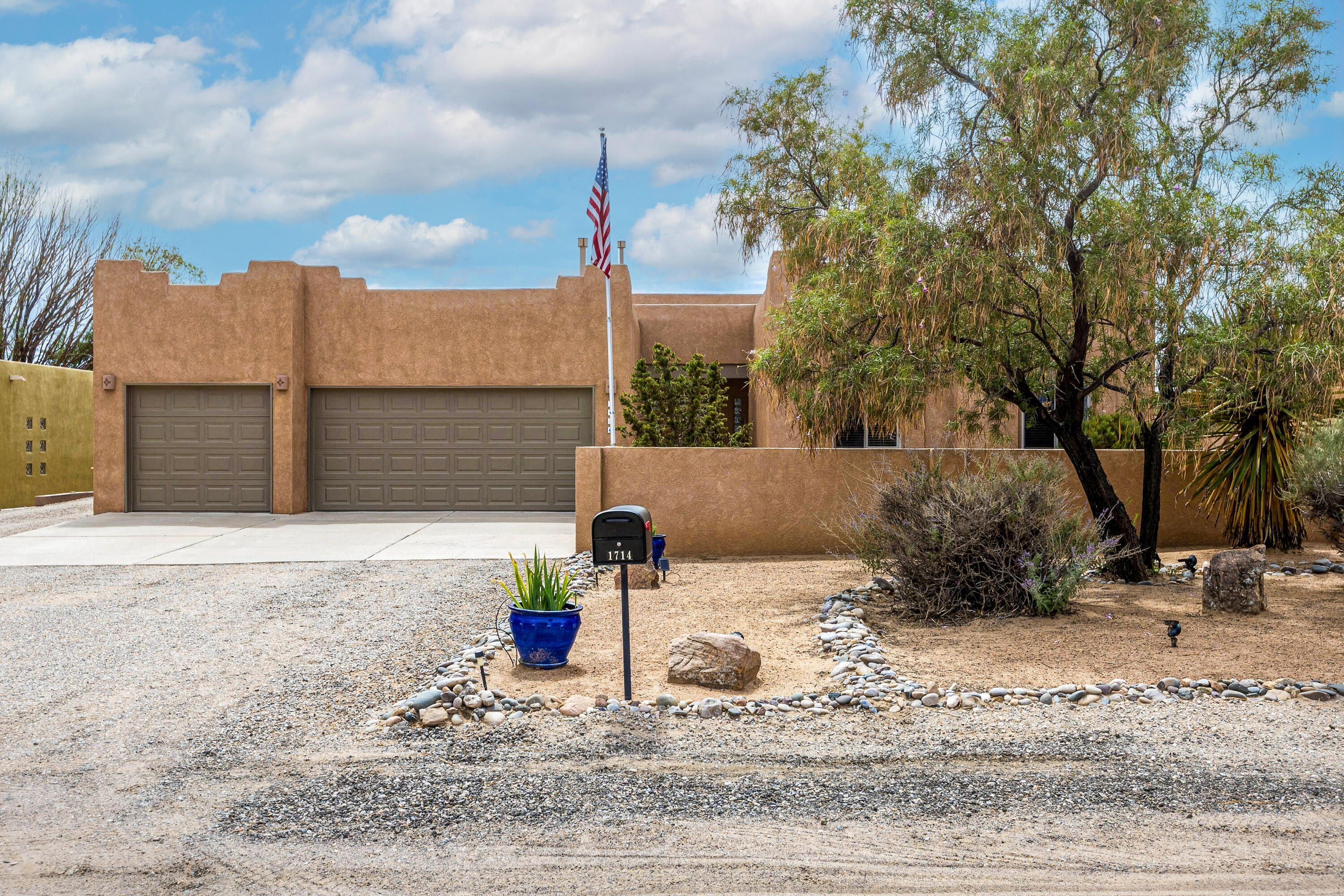
If you're moving to Albuquerque with kids, or even if you've lived here for years and are simply looking for a better place to raise your family, there's a good chance you've asked the same question almost every buyer asks at some point:

"Where should we live?"

It's a simple question, but the answer is rarely simple.

Over the years, the Sandi Pressley Team has helped families relocate from all over the country, and one thing we've learned is that the "best" neighborhood isn't always the one with the biggest homes, the newest construction, or the highest price tags. The best neighborhood is the one that fits the way your family actually lives.

Some families want their kids close to great schools and after-school activities. Others care more about having parks nearby, safe streets for bike rides, or easy access to hiking trails and outdoor recreation. Some buyers are focused on finding newer homes with open floor plans, while others are looking for established neighborhoods with mature trees and a strong sense of community.

What makes Albuquerque unique is that you can find all of those things here. The city isn't built around one ideal neighborhood. Instead, it offers several distinct areas, each with its own personality, lifestyle, and advantages for families.

When people relocate from California, Texas, Colorado, Arizona, or other higher-cost markets, they're often surprised by how many options they have. A family can choose a foothills community with mountain views, a suburban neighborhood with newer homes, a master-planned community filled with parks, or even a mountain town atmosphere just outside the city. The challenge isn't finding a good place to live. The challenge is figuring out which one feels most like home.

One of the first things many buyers notice when they start exploring Albuquerque is how different the Northeast Heights feels compared to the West Side. Families who are drawn to established neighborhoods, mature landscaping, and proximity to the Sandia Mountains often find themselves spending a lot of time in areas near La Cueva, Tanoan, and High Desert. There's a certain lifestyle here that appeals to active families. On any given weekend you'll see parents pushing strollers on neighborhood trails, kids heading to soccer games, and families taking advantage of the outdoor recreation that makes Albuquerque such a unique place to live.

High Desert, in particular, continues to attract families who love being close to nature without giving up city conveniences. The neighborhood was designed around open space, walking trails, and mountain views, and many homeowners say that's exactly what drew them there in the first place. It doesn't feel crowded, and there's a sense that the landscape is part of everyday life. For families who enjoy hiking, biking, and spending time outdoors, that's hard to replicate elsewhere in the city.

Not every family wants that environment, though.

Some buyers prefer larger lots, more privacy, and room to spread out. That's often when North Albuquerque Acres enters the conversation. It's one of those areas that people either immediately fall in love with or realize it isn't what they're looking for. Homes tend to sit on larger parcels, and many properties offer space that can be difficult to find elsewhere in Albuquerque. For families with recreational vehicles, horses, workshops, or simply a desire for more elbow room, North Albuquerque Acres remains one of the most desirable places in the metro area.

The interesting thing is that many buyers begin their search believing they know exactly where they want to live. Then they start touring neighborhoods and everything changes.

We recently worked with a family relocating from Dallas who were convinced they wanted the newest home possible. Their online search was filled with new construction communities and recently built properties. After spending a few days exploring Albuquerque, however, they realized what they really wanted wasn't a newer house. They wanted a neighborhood where their kids could walk to parks, make friends nearby, and spend less time in the car. By the end of their visit, they purchased a home in an established Northeast Heights neighborhood that wasn't even on their original list.

That happens more often than people think.

A house is important, but the neighborhood is what shapes daily life.

One area that deserves its own conversation is Rio Rancho. Technically, it's not Albuquerque, but if you've spent any time researching homes in the metro area, you've probably noticed that Rio Rancho comes up constantly. There's a reason for that. Many families begin their search focused exclusively on Albuquerque and eventually discover that Rio Rancho offers exactly what they're looking for. Newer neighborhoods, larger homes, expanding amenities, community parks, and a strong family presence have made it one of the fastest-growing areas in New Mexico. For some buyers, the tradeoff of a slightly different commute is well worth the additional space and housing options available there.

What's interesting about family buyers is that they often focus heavily on schools before they focus on lifestyle. Schools are certainly important, but after helping families move throughout the Albuquerque area for years, we've found that many buyers eventually realize they spend far more time living in their neighborhood than they do researching it. The daily experience matters. Things like where you walk the dog, where your children ride their bikes, how far it takes to get groceries, whether there are parks nearby, and whether you enjoy driving home every evening often have a bigger impact on happiness than people expect.

That's why the foothills communities continue attracting so much interest. There is something special about waking up each morning with the Sandia Mountains outside your window. Families who move into areas like High Desert often tell us they feel more connected to the outdoors than they ever did before. Weekend hikes become routine. Evening walks become part of family life. The mountains stop being something you occasionally visit and become part of your everyday environment.

At the same time, not every family wants that type of setting. Some prefer established neighborhoods with mature trees, larger shade canopies, and a stronger sense of history. That's one reason areas surrounding Tanoan continue to perform well year after year. These communities have been desirable for a long time, and that stability appeals to many buyers. When you're making one of the biggest purchases of your life, there's comfort in knowing a neighborhood has maintained its appeal across multiple market cycles.

Families relocating from out of state are often surprised by how different Albuquerque feels from other Southwestern cities. While the city has grown substantially over the years, it still maintains a sense of accessibility that can be difficult to find elsewhere. You don't necessarily have to spend an hour in traffic to get across town. You can often be hiking in the mountains in the morning and attending a soccer game in the afternoon without spending your entire day in the car. For many families, that quality of life becomes one of the biggest selling points.

Another factor buyers should consider in 2026 is long-term value. While nobody can predict future appreciation with certainty, neighborhoods that continue attracting families tend to maintain stronger demand over time. Areas with access to parks, recreational opportunities, employment centers, shopping, and desirable community amenities often remain attractive regardless of broader market conditions. That's one reason so many family-focused buyers continue gravitating toward established areas in the Northeast Heights, growing communities on the West Side, and expanding neighborhoods throughout Rio Rancho.

A conversation we frequently have with buyers revolves around whether they should prioritize the house or the neighborhood. It's understandable. Sometimes you find a home that checks every box. The kitchen is perfect. The layout works. The backyard is beautiful. Then you realize it's located in a neighborhood that doesn't really fit your family's lifestyle. Other times, a home may need a few updates, but it's located in a community where you can immediately picture your children growing up.

Most families who are happiest several years after their purchase chose the neighborhood first and the house second.

We recently worked with a family relocating from Colorado who originally focused almost entirely on home features. They had a detailed list of must-haves that included a three-car garage, a home office, a large kitchen, and specific square footage requirements. As we toured different areas, the conversation slowly shifted. They became less focused on countertops and more interested in nearby parks, walking trails, youth sports programs, and community activities. Eventually they selected a home that wasn't the largest property they viewed, but it was located in a neighborhood where they immediately felt connected. Months later, they told us they couldn't imagine living anywhere else.

Those experiences reinforce something we see repeatedly. Families don't just buy houses. They buy lifestyles.

For some buyers, that lifestyle includes mountain views and trail access. For others, it means newer subdivisions and community parks. Some families prefer larger lots and privacy. Others want to be close to restaurants, shopping, and schools. The right answer depends entirely on your goals.

That's why it's difficult to name a single "best" family-friendly neighborhood in Albuquerque.

If your priority is outdoor recreation and proximity to the foothills, High Desert may feel like the perfect fit. If you value space and privacy, North Albuquerque Acres may rise to the top of your list. If you prefer established communities with a long track record of popularity, areas surrounding Tanoan continue to stand out. If maximizing square footage is important, neighborhoods throughout Ventana Ranch, Paradise Hills, and Rio Rancho may deserve a closer look.

The good news is that Albuquerque gives families choices.

You don't have to settle for one type of community. The metro area offers a variety of lifestyles, housing styles, and price points. Whether you're a first-time home buyer, a growing family looking for more space, or a relocating buyer trying to narrow down your options, there is almost certainly a neighborhood that fits what you're looking for.

The challenge isn't finding good neighborhoods. Albuquerque has plenty of them. The challenge is identifying which neighborhood fits your family's version of a great life.

That's where local knowledge makes a difference.

Online rankings, neighborhood reviews, and national websites can provide a starting point, but they rarely tell the whole story. They can't explain how a neighborhood feels on a Saturday morning. They can't tell you where local families gather, which parks stay busy, or what daily life is actually like after you move in. Those are the details that often matter most.

The Sandi Pressley Team has helped buyers navigate Albuquerque, Rio Rancho, and the surrounding communities through every type of market. We understand that choosing a neighborhood isn't simply a real estate decision. It's a family decision. It's about finding a place where you can build routines, create memories, and feel at home long after closing day.

If you're considering a move to Albuquerque and wondering which neighborhoods deserve a closer look, we'd love to help you compare your options. Every family's priorities are different, and the best neighborhood for your family may not be the one you initially expected. Sometimes all it takes is a conversation and a few neighborhood tours to discover where you truly belong.

Sandi Pressley Team is a real estate team in Albuquerque, New Mexico helping home buyers, sellers, and relocating families find the right home and the right community throughout Albuquerque, Rio Rancho, and the surrounding areas. If you're planning a move in 2026, we're here to help you make a confident decision about where to put down roots.

HOT PROPERTY OF THE WEEK


12113 GENOA STREET NE, ALBUQUERQUE, NM 

Nostalgic charm and character in this well maintained 3/4BDR, 2BDR, 2CG in the heart of the Far NE Heights! Two large living areas, sunny kitchen with picture window, bkfst bar, gas stove and large breakfast nook wtih patio access. Spacious family room with lots of natural light features a wood stove and built in bookshelves. Inside utility room. Primary bdr has its own bath. Potential 4th bdr/office has pocket door for privacy. Beautiful park-like backyard with trees, shrubs, turf, large covered patio for summer bbqs and gatherings, storage shed. Covered porch with gorgeous rose bushes and shade tree. Close to foothills trails, parks, schools & shopping!

GET YOUR MORNING INSPIRATION WITH THE SANDI PRESSLEY TEAM
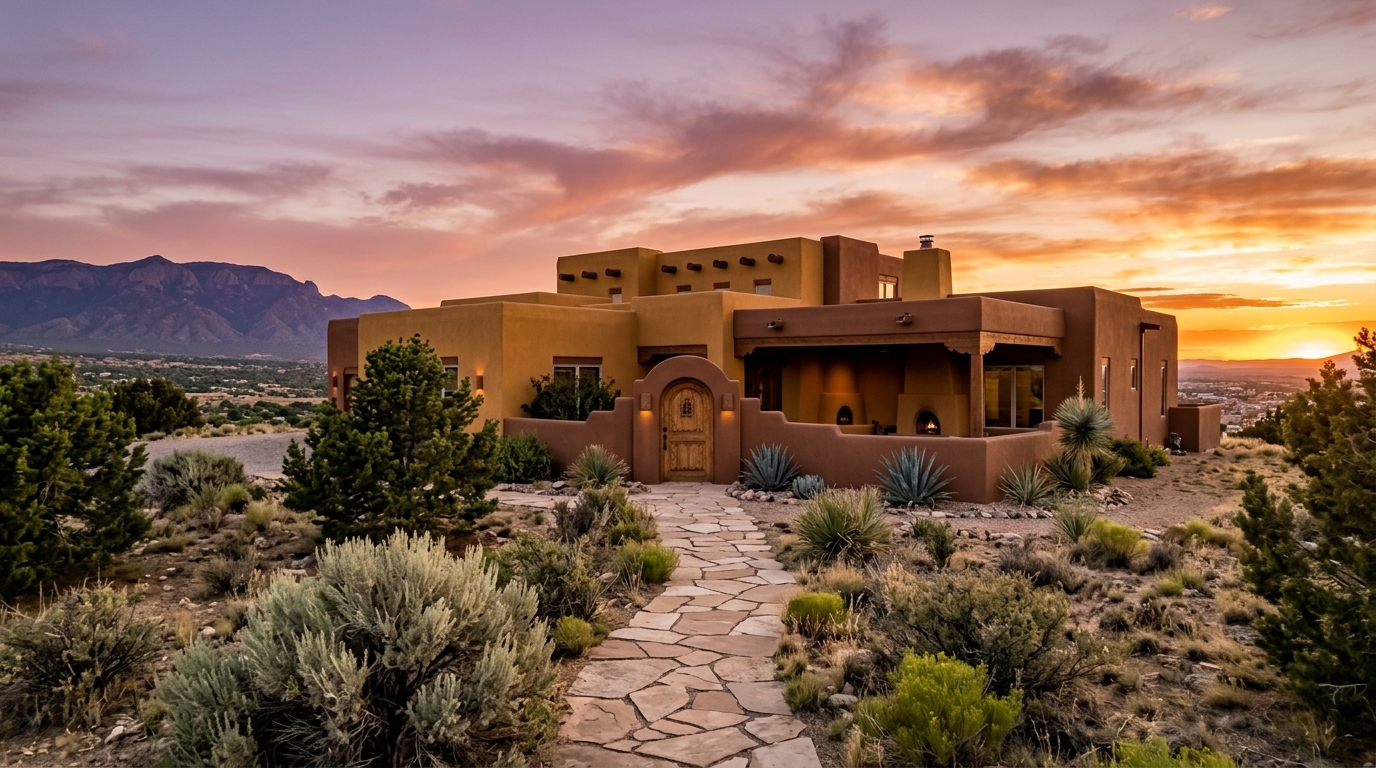
National Homebuyers Month is the perfect reminder that finding the right house is only part of the home buying journey. Understanding how to protect yourself once you're under contract can be just as important as finding the home itself.

One of the biggest misconceptions we see among buyers in Albuquerque is that once an offer is accepted, the hard part is over. Most people spend weeks or even months looking at homes, researching neighborhoods, talking with lenders, and trying to determine how much house they can comfortably afford. Then they finally find the one, submit an offer, hear the words "your offer has been accepted," and breathe a huge sigh of relief.

The reality is that some of the most important parts of the transaction are just beginning.

This is where contingencies come into play.

While the word itself sounds complicated, contingencies are simply protections built into a real estate contract. They give buyers the opportunity to verify that the home, financing, and overall transaction make sense before they become fully committed to the purchase. Think of them as checkpoints along the way. They allow you to gather information, address concerns, and move forward with confidence instead of crossing your fingers and hoping everything works out.

Over the years, the Sandi Pressley Team has helped buyers purchase homes throughout Albuquerque, Rio Rancho, Corrales, Los Lunas, and many of the surrounding communities. We've seen transactions go smoothly from start to finish, and we've also seen situations where contingencies saved buyers from inheriting expensive problems they never could have anticipated during a quick showing.

The truth is that contingencies are not obstacles. They are safeguards. They exist to protect your interests during one of the largest financial decisions you'll ever make.

The first contingency every buyer should understand is the home inspection contingency. In many ways, this is the contingency that provides the clearest picture of what you're actually buying. A home may look beautiful during a showing. The paint is fresh, the landscaping is clean, and everything appears move-in ready. What buyers don't always see are the things hidden behind walls, inside attics, under crawl spaces, or on portions of the roof that aren't visible from the ground.

A professional inspection helps uncover those issues before closing. We recently worked with buyers who fell in love with a property near the Foothills. The home showed beautifully and appeared to be in excellent condition. During the inspection period, however, the inspector discovered significant roofing issues that would likely require major repairs within a short period of time. Because the inspection contingency was in place, the buyers were able to negotiate a solution with the seller before moving forward. Without that protection, those repairs could have become an unexpected expense shortly after closing.

Inspection contingencies are often misunderstood because buyers assume they exist only to find reasons to cancel a contract. In reality, that's rarely the goal. Most inspections lead to conversations, negotiations, and solutions. Sometimes repairs are made. Sometimes credits are offered. Sometimes buyers simply gain a better understanding of the home's condition and decide they're comfortable moving forward. The important thing is that they have the information necessary to make an informed decision.

Another contingency buyers should never overlook is the financing contingency. One of the most common misconceptions in real estate is that a pre-approval means the loan is guaranteed. A pre-approval is a fantastic first step, but there is still a significant underwriting process that takes place after a property goes under contract. During that period, lenders verify employment, review financial documentation, evaluate debt levels, and ensure all lending requirements are satisfied.

Most transactions move through this process without issue. However, unexpected things happen. We've seen buyers change jobs, make large purchases, open new credit accounts, or encounter documentation challenges that created obstacles during underwriting. The financing contingency exists to protect buyers in situations where financing cannot ultimately be secured despite their best efforts.

This contingency is particularly important because life doesn't always follow a predictable timeline. Even highly qualified buyers can encounter unforeseen circumstances. Having this protection in place helps ensure that if financing falls through, buyers have options rather than facing additional financial consequences on top of an already disappointing situation.

The appraisal contingency is another protection that becomes especially important in markets where values can move quickly. Albuquerque has experienced significant growth over the past several years, and certain areas continue to attract strong buyer demand. Neighborhoods in the Northeast Heights, North Albuquerque Acres, and parts of Rio Rancho often see competitive activity that can push prices higher.

When a buyer is obtaining a mortgage, the lender typically orders an appraisal to determine the property's market value. The lender wants confirmation that the home supports the agreed-upon purchase price before finalizing the loan. Sometimes the appraisal comes in exactly where expected. Other times it doesn't.

Imagine agreeing to purchase a home for $450,000 only to discover that the appraisal values the property at $430,000. Suddenly there is a gap that must be addressed. The appraisal contingency gives buyers and sellers an opportunity to revisit the terms of the transaction and determine the best path forward. In some cases, the seller agrees to reduce the price. In others, the buyer contributes additional funds. Sometimes both parties meet somewhere in the middle.

Without an appraisal contingency, buyers could find themselves responsible for covering the difference entirely on their own. That's why understanding this protection is so important, especially in markets where competition can drive pricing higher than recent comparable sales support.

One contingency that doesn't get much attention until it's needed is the title contingency. Most buyers spend their time thinking about the home itself, but there is also a legal side to every transaction that deserves attention. Before closing, a title company researches the property's ownership history to ensure the seller has the legal right to transfer ownership and that there are no outstanding claims against the property.

Fortunately, serious title issues are relatively uncommon. When they do arise, however, they can create major complications. Unpaid liens, ownership disputes, recording errors, or unresolved legal claims can all delay or even derail a transaction if they aren't discovered before closing.

The title contingency provides time for those issues to be identified and resolved. While buyers rarely think about title work while they're imagining furniture placement and decorating ideas, this behind-the-scenes process plays a critical role in protecting their ownership rights once the transaction is complete.

The final contingency buyers should understand is the home sale contingency. This contingency is most common among homeowners who need to sell their current property before purchasing their next one. Many buyers rely on the equity from their existing home to fund a down payment, cover closing costs, or qualify for financing on their next purchase.

A home sale contingency allows the purchase to move forward with the understanding that the buyer's current property must sell first. It can be an excellent tool for reducing financial risk, but it also requires careful planning. In highly competitive markets, sellers sometimes favor offers without home sale contingencies because they introduce an additional variable into the transaction.

That doesn't mean buyers should automatically avoid them. It simply means strategy becomes even more important. We've helped many Albuquerque-area buyers successfully navigate this process by developing a clear timeline, understanding local market conditions, and creating a plan that minimizes uncertainty for everyone involved.

One of the biggest mistakes buyers make is viewing contingencies as obstacles rather than protections. In reality, these provisions exist because real estate transactions involve a tremendous amount of moving parts. Homes, lenders, title companies, inspectors, appraisers, and buyers all play a role. Contingencies help ensure that important information is reviewed before major decisions become final.

At the Sandi Pressley Team, we believe informed buyers make better decisions. Our goal is to help clients understand every step of the process so there are no surprises along the way. Whether you're purchasing your first home in Albuquerque, relocating to Rio Rancho, or moving into your forever home somewhere in the greater Albuquerque area, understanding contingencies can help you move forward with confidence.

National Homebuyers Month is a great reminder that successful home buying isn't just about finding the right property. It's about protecting yourself throughout the process. The inspection contingency, financing contingency, appraisal contingency, title contingency, and home sale contingency each serve a different purpose, but together they create a framework that helps buyers make informed decisions and avoid unnecessary risk.

The more you understand these protections before making an offer, the better prepared you'll be when the right home comes along.

The Sandi Pressley Team
Albuquerque Real Estate Experts

Helping buyers throughout Albuquerque, Rio Rancho, Corrales, Los Lunas, and surrounding communities navigate the home buying process with confidence.


HOT PROPERTY OF THE WEEK


19 ROADRUNNER TRAIL, PLACITAS, NM 

Authentic Southwest charm abounds in Placitas Trails! Private courtyard entrance & open brick patio. Living rm features wood beam ceilings, adobe interior wall, wood kiva fireplace, beautiful brick flooring. Family rm/den features a barn door. Kitchen features island/bar, gas stove & sunny bkfst nook. Primary bdr features wood beam ceiling, clerestory windows, outdoor deck, walk-in closet, beautifully remodeled bath with quartz countertops, lighting & hardware, tile flooring, deep tub, custom shower, built-in cabs, linen closet. Updated half bath, vanity, mirror, flooring & lighting. Incredible outdoor living space with hot tub & multiple patios off kitchen & living area to dine al fresco & entertain family friends! 2CG plus detached 1.5CG, approx. .75 acre lot.

GET YOUR MORNING INSPIRATION WITH THE SANDI PRESSLEY TEAM
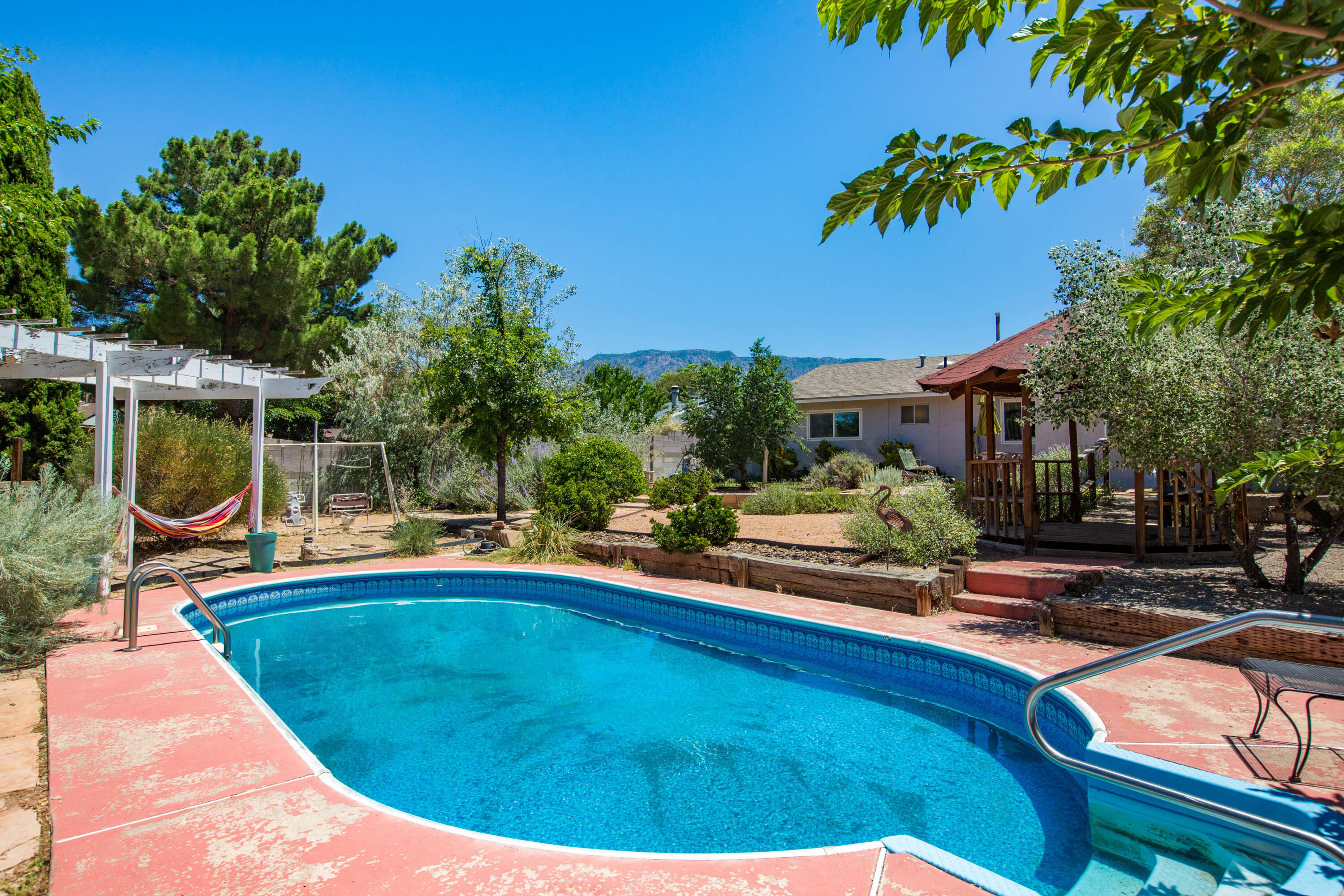
This is one of those decisions that seems simple at first—but the more you look into it, the more nuanced it becomes.

Rio Rancho and the Westside of Albuquerque are often grouped together because they both offer relatively affordable entry points into the market. But once you start paying attention to how each area actually feels to live in, the differences become much more significant.

And those differences matter—not just for the purchase itself, but for how your day-to-day life will look after you move in.


Why This Choice Feels So Close (But Isn’t)

On paper, these two areas can look very similar.

You’ll often find comparable price points. Both are popular with first-time buyers. Both offer a range of single-family homes. And both are growing.

But what doesn’t show up in a listing search is how differently they function in real life.

The decision usually comes down to one core trade-off:

Do you want more space and newer construction… or better access and convenience?

Once you frame it that way, everything starts to make more sense.


What Stands Out About Rio Rancho

Rio Rancho tends to draw buyers in for one primary reason: what you get for the money.

There’s a noticeable difference in the type of homes you’ll find. Many of the neighborhoods are newer, which shows up in the layouts, finishes, and overall feel of the properties. Open-concept designs, larger kitchens, higher ceilings, and more functional floorplans are common.

For buyers who don’t want to immediately take on updates or renovations, that’s a big advantage. There’s a level of “move-in ready” that feels easier and more predictable.

Space is another factor that consistently comes up. It’s often possible to get more square footage, more bedrooms, or even a larger lot compared to similarly priced homes on the Westside. That flexibility can matter if you’re thinking ahead—whether that’s working from home, growing into the space, or simply wanting more room to spread out.

There’s also a noticeable shift in pace. Rio Rancho feels more spread out and quieter overall. For some buyers, that’s exactly what they’re looking for—a little separation from the busier parts of Albuquerque.


Where Rio Rancho Can Become Challenging

That extra space and newer construction don’t come without trade-offs.

The biggest one is location.

Depending on where you work, commute times can become a factor pretty quickly. Getting into central Albuquerque or other parts of the city can take longer, especially during peak traffic hours. It’s not necessarily a deal-breaker, but it is something that tends to matter more after you’ve lived it for a few weeks—not just thought about it on paper.

There’s also the reality of daily convenience. Running errands, meeting friends, or heading out for dinner may involve more driving compared to being closer into the city.

For buyers who value efficiency and access, this is often where hesitation starts to show up.


What Makes the Westside of Albuquerque Different

The Westside offers a different kind of balance—one that leans more toward accessibility and connection to the rest of the city.

You’re generally closer to major roads, employment areas, and established parts of Albuquerque. That proximity tends to make everyday routines feel easier. Commutes are often shorter. Getting across town is more manageable. And there’s usually less planning involved in simple things like grabbing groceries or meeting someone for coffee.

Over time, that convenience adds up in a way many buyers don’t fully appreciate until after they’ve moved.

There’s also more variety in the housing itself. Instead of large areas of newer construction, the Westside includes a mix of home ages, styles, and price points. That gives buyers more options—but it also requires a bit more attention when evaluating condition and long-term maintenance.


Where the Westside Requires Compromise

The trade-offs here tend to show up in the homes themselves.

Compared to Rio Rancho, you may notice that:

  • Homes can be smaller for the same price
  • Layouts may feel more segmented or dated
  • Updates or improvements may be needed sooner

For buyers who are focused on having everything new and turnkey, this can feel like a step backward.

But for buyers who prioritize location and daily convenience, those compromises often feel worth it.


How This Decision Actually Plays Out

What’s interesting is that most buyers don’t struggle with this decision because they lack information—they struggle because both options are good, just in different ways.

When someone chooses Rio Rancho, it’s usually because they’ve decided that space, newer construction, and a quieter environment matter most.

When someone chooses the Westside, it’s typically because time, convenience, and proximity carry more weight.

Neither group is wrong. They’re just optimizing for different lifestyles.


The Turning Point for Most Buyers

There’s usually a moment in the process where things become clear.

It’s not when you compare listings—it’s when you start imagining your actual routine.

How long will it take to get to work every day?
How often will you be driving across town?
Do you want your home to feel like a retreat, or a central hub?

Once those questions have honest answers, the decision tends to make itself.


Common Mistakes That Make This Harder Than It Needs to Be

One of the biggest mistakes buyers make is focusing too heavily on the house and not enough on the lifestyle.

It’s easy to get pulled toward a bigger or newer home without fully thinking through how the location will affect your day-to-day life.

Another common issue is underestimating commute fatigue. What feels manageable during a weekend showing can feel very different when it becomes part of your daily routine.

There’s also a tendency to assume that one area is objectively “better.” In reality, it’s almost always about alignment—not superiority.


So… Which One Is Actually Better?

The honest answer is that “better” depends entirely on what matters most to you.

Rio Rancho tends to win when:

  • You want more space
  • You prefer newer homes
  • You value a quieter, more suburban feel

The Westside tends to win when:

  • You want shorter commutes
  • You value convenience and access
  • You prefer being closer to the center of activity

Once you’re clear on which of those matters more, the choice usually becomes straightforward.


Final Thoughts

This decision isn’t really about comparing two locations—it’s about choosing the version of daily life you want to step into.

Both Rio Rancho and the Westside can be great options for first-time buyers. The key is understanding how each one fits into your routine, not just your budget.

The Sandi Pressley Team is a real estate team in Albuquerque, NM helping first-time buyers navigate location decisions so they can choose the area that truly fits their lifestyle.

HOT PROPERTY OF THE WEEK


18 TIERRA MONTE STREET NE, ALBUQUERQUE, NM

Breathtaking mountain & city views distinguish this exceptional foothills estate. A rare offering, this exquisitely updated custom residence captures panoramic views from expansive windows, private balconies, & multiple outdoor living spaces. Nearly $400,000 in custom upgrades includes a 2023 designer chef's kitchen with premium appliances, custom floor-to-ceiling cabinetry, & striking quartzite surfaces. The thoughtfully designed floor plan features 4 bedrooms plus a private office overlooking the city, 3.5 baths, an elegant great room with fireplace, formal & informal dining, a theater room with tiered seating, heated workshop, and a versatile main-level secondary primary suite. Quietly situated in a premier foothills enclave, yet just minutes to I-25, Downtown, hospitals, & Sandia Labs.


GET YOUR MORNING INSPIRATION WITH THE SANDI PRESSLEY TEAM

Pre-Approval vs. Pre-Qualification

by Sandi Pressley

What Every Albuquerque Home Buyer Needs to Know Before They Start Shopping

If you're getting ready to buy a home in Albuquerque — whether you're eyeing a classic adobe in the North Valley, a modern townhome in Nob Hill, or a spacious single-family home in Rio Rancho — there are two words you're going to hear over and over again before you ever step inside an open house: pre-qualification and pre-approval.

Most buyers assume they mean the same thing. They don't — and understanding the difference can literally determine whether your offer gets accepted in today's competitive Albuquerque market.

In this guide, we're breaking down exactly what each term means, how the processes differ, why pre-approval carries so much more weight, and why it matters right now in March 2026 as the spring buying season heats up across the Duke City.

What Is Pre-Qualification?

Pre-qualification is the most basic step in the mortgage process — think of it as a financial snapshot. It gives you a general ballpark of how much home you might be able to afford based on information you provide to a lender, typically through a short conversation or an online form.

What Lenders Ask During Pre-Qualification:

  • Your estimated annual income
  • Your general monthly expenses and existing debts
  • Your approximate credit score (self-reported)
  • How much you have available for a down payment
  • Whether you're a first-time buyer or have owned before

Based on what you share, a lender will estimate a loan amount you may qualify for. This can often be done in as little as 15–30 minutes, and many lenders offer it at no cost with no credit check required.

What Pre-Qualification Is — and Isn't

Pre-qualification is a useful starting point. It helps you understand roughly what price range to shop in and gives you a sense of your financial footing before you get emotionally invested in a home. However, it is not verified. Lenders are taking your word for the numbers. No documents are reviewed, no credit report is pulled, and no formal underwriting takes place. In the eyes of most home sellers — especially in a competitive market — a pre-qualification letter carries limited weight.

What Is Pre-Approval?

Pre-approval is a significantly deeper, more formal process. It requires you to submit an actual loan application and provide documentation that a lender will verify before issuing a conditional commitment to lend you a specific amount at a specific interest rate.

Documents Typically Required for Pre-Approval:

  • Last two years of W-2s or tax returns (including all schedules)
  • Recent pay stubs (last 30 days)
  • Last two to three months of bank and investment account statements
  • Photo ID and Social Security number
  • Information on any other real estate you own
  • Documentation of additional income sources (rental income, alimony, self-employment, etc.)
  • Explanation letters for any unusual deposits, credit inquiries, or gaps in employment
  • Gift letters if any portion of the down payment is coming from a family member

The lender will also pull a hard credit inquiry — reviewing your full credit history, payment history, outstanding balances, and debt-to-income (DTI) ratio. Once everything checks out, you'll receive a pre-approval letter stating the loan amount you're conditionally approved for, typically valid for 60–90 days.

Pre-Qualification vs. Pre-Approval: A Side-by-Side Comparison

Feature

Pre-Qualification

Pre-Approval

Documents Required

None — self-reported info only

Full financial documentation required

Credit Check

Usually none (soft or no check)

Hard credit pull required

Income Verification

No — estimate provided by borrower

Yes — verified by lender

Accuracy of Amount

Rough estimate only

Specific, conditionally committed amount

Time to Complete

15–30 minutes

1–5 business days

Seller Confidence Level

Low — carries minimal weight

High — taken seriously by sellers

Valid for How Long

N/A — informal

60–90 days typically

Cost

Usually free

Usually free (some lenders charge)

Mortgage Rate Locked In

No

Sometimes — depends on lender

Why Pre-Approval Is Essential in Today's Albuquerque Market

Albuquerque's real estate market has seen steady demand over the past several years, and as we move into the spring of 2026, buyer competition remains strong — particularly in sought-after neighborhoods like the Heights, Nob Hill, the South Valley, and communities along the Rio Grande. With inventory often tight, desirable homes in the $350,000–$600,000 range can see multiple offers within days of hitting the market.

Here's why pre-approval gives you a real competitive edge:

1. Sellers Take You Seriously

In New Mexico, as in most states, listing agents advise their seller clients to evaluate not just the offer price but the buyer's financial strength. A pre-approval letter from a reputable local lender like Centennial Bank, Century Mortgage, or any trusted ABQ-area credit union tells a seller that a lender has already vetted your finances and is ready to move forward. A pre-qualification letter is seen as little more than a wish — it offers no assurance that the financing will actually come through.

2. You Know Your Exact Budget

Instead of shopping in a vague range, pre-approval gives you a hard ceiling. This prevents the all-too-common scenario of falling in love with a home — say, a four-bedroom in Corrales or a renovated craftsman near Old Town — only to discover you can't actually qualify for that price. It saves time, heartache, and wasted energy for everyone involved.

3. You Can Move Faster When the Right Home Appears

Spring is historically the busiest real estate season in Albuquerque. When inventory is limited and demand is high, days on market can be very short. Buyers who are pre-approved can write an offer the same day they tour a home. Buyers still in the pre-qualification stage often lose out while scrambling to gather documents.

4. It Uncovers Financial Issues Early

Pre-approval is also a gift in disguise when it surfaces a problem. Maybe your credit score has a reporting error that's dragging it down, or an old collections account you forgot about is affecting your DTI ratio. Discovering this during the pre-approval stage — months before you want to close — gives you time to correct it. Discovering it after you're under contract is a much more stressful situation.

5. It Strengthens Your Negotiating Position

When multiple buyers are interested in the same property, a seller will often choose the cleaner offer — meaning fewer contingencies and a buyer who has already been financially vetted. Your pre-approval letter is a signal that your offer is low-risk. In some cases, being pre-approved can help you negotiate better terms, even if your offer isn't the highest.

The Pre-Approval Process: Step by Step

If you're ready to get pre-approved, here's what the process typically looks like from start to finish:

Step 1: Choose Your Lender

Research and select a reputable lender — ideally one familiar with Albuquerque and New Mexico-specific loan programs. Local lenders often know the nuances of the ABQ market, including NMMFA (New Mexico Mortgage Finance Authority) programs, which offer competitive rates and down payment assistance for qualifying buyers.

Step 2: Submit Your Application

Complete a formal mortgage application (often called a 1003 form). This captures detailed information about your income, assets, employment history, debts, and the property type you intend to purchase.

Step 3: Provide Documentation

Gather and submit all required financial documents. Being organized here will speed up the process considerably. Many lenders now accept digital uploads, making this easier than it used to be.

Step 4: Undergo Credit Review

The lender will pull your credit report across all three major bureaus — Equifax, Experian, and TransUnion. They will evaluate your score, payment history, outstanding balances, and any derogatory marks. Note that this hard inquiry will appear on your credit report.

Step 5: Lender Review & Underwriting

A loan officer or underwriter will review everything and calculate your debt-to-income ratio (typically lenders prefer a DTI below 43%, though some programs allow higher). They may come back with questions or requests for additional documentation.

Step 6: Receive Your Pre-Approval Letter

Once approved, you'll receive a letter stating the maximum loan amount you're conditionally approved for, the type of loan (conventional, FHA, VA, USDA, etc.), the interest rate environment at the time, and how long the pre-approval is valid (usually 60–90 days).

New Mexico Loan Programs Worth Knowing About

Albuquerque buyers have access to several loan programs that can significantly reduce costs — but most of them require pre-approval through a participating lender. Here are a few programs to discuss with your lender:

NMMFA First Home Program

The New Mexico Mortgage Finance Authority offers below-market interest rates on 30-year fixed mortgages for first-time buyers (or those who haven't owned in the past three years) who meet income and purchase price limits.

NMMFA NextHome Program

Designed for repeat buyers, this program also offers competitive rates without the first-time buyer requirement.

FHA Loans

Popular in New Mexico, FHA loans allow down payments as low as 3.5% with a credit score of 580 or above — making them accessible for many ABQ buyers. The seller can also contribute up to 6% of the purchase price toward closing costs.

VA Loans

Albuquerque has a significant military and veteran community due to proximity to Kirtland Air Force Base and Sandia National Laboratories. Eligible veterans and active-duty service members can access VA loans with no down payment required and no private mortgage insurance (PMI).

USDA Rural Development Loans

Some areas surrounding Albuquerque — including parts of Bernalillo, Sandoval, and Valencia counties — may qualify for USDA rural home loans, which also offer zero down payment options.

Common Pre-Approval Mistakes to Avoid

Don't Make Large Purchases Before Closing

Once you're pre-approved, avoid buying a new car, furniture, or any big-ticket items on credit. This can shift your DTI ratio and jeopardize your final loan approval.

Don't Change Jobs or Employment Status

Lenders want stability. Switching jobs during the home buying process — even for higher pay — can complicate things significantly. If a career change is unavoidable, consult your lender before making a move.

Don't Open New Credit Accounts

Every new credit application creates a hard inquiry, and opening new accounts changes your credit profile. Both can lower your score and affect your approval.

Don't Move Money Around Without Documentation

Large or unusual deposits into your bank accounts can raise red flags during underwriting. If you're receiving gift funds from family, make sure a proper gift letter is in place.

Don't Wait Until You Find a Home

Far too many buyers wait to get pre-approved until they've already found the home they want. By then, it's often too late — especially in a competitive market. Start the process before you even start touring homes.

The ABQ Spring Market: Why Timing Matters in March 2026

March marks the traditional start of the spring real estate season across New Mexico. As weather improves and families begin planning moves around the end of the school year, both inventory and buyer activity typically rise. In Albuquerque specifically, the spring market tends to be active across all price points — from entry-level homes in the Southeast Heights to luxury properties in the foothills communities of Sandia Heights and High Desert.

If you've been watching the market and thinking about making a move in the next few months, now is the time to start your pre-approval process — not after you find your dream home. The buyers who win in spring markets are the ones who are financially prepared before the best listings hit Zillow.

Ready to Start? The Sandi Pressley Team Can Help.

At the Sandi Pressley Team, we work with buyers at every stage of the process — whether you're just starting to explore the idea of homeownership or you're ready to write an offer tomorrow. We can connect you with trusted local lenders who understand the Albuquerque and greater New Mexico market, walk you through the pre-approval process, and make sure you're fully prepared before you ever set foot in a showing.

The bottom line? Pre-qualification is a conversation starter. Pre-approval is your ticket to the table. In today's market, you want to be at the table — not waiting outside.

Give us a call today at (505) 263-2173 or visit SandiPressley.com to get started. We'd love to help you find your place in Albuquerque.


HOT PROPERTY OF THE WEEK


18 TIERRA MONTE STREET NE, ALBUQUERQUE, NM

Rare opportunity to own an exquisite custom home designed for exceptional indoor-outdoor living. Enjoy panoramic city & mountain views from multiple decks, patios, balconies, and sun-filled windows! Nearly $400,000 in upgrades and renovations--see Seller's Renovation List for details. This four-bedroom, three-and-a-half-bath home offers a welcoming great room with fireplace, formal and casual dining, a theater room with tiered seating and surround sound, heated workshop, & a versatile main-level second primary or in-law suite. Gorgeous wood flooring graces the main level living areas. The 2023 chef's kitchen is a showstopper with premium appliances, floor-to-ceiling cabinetry, sophisticated Quartzite countertops, farmhouse sink, and island, flowing into a sunny nook.


GET YOUR MORNING INSPIRATION WITH THE SANDI PRESSLEY TEAM
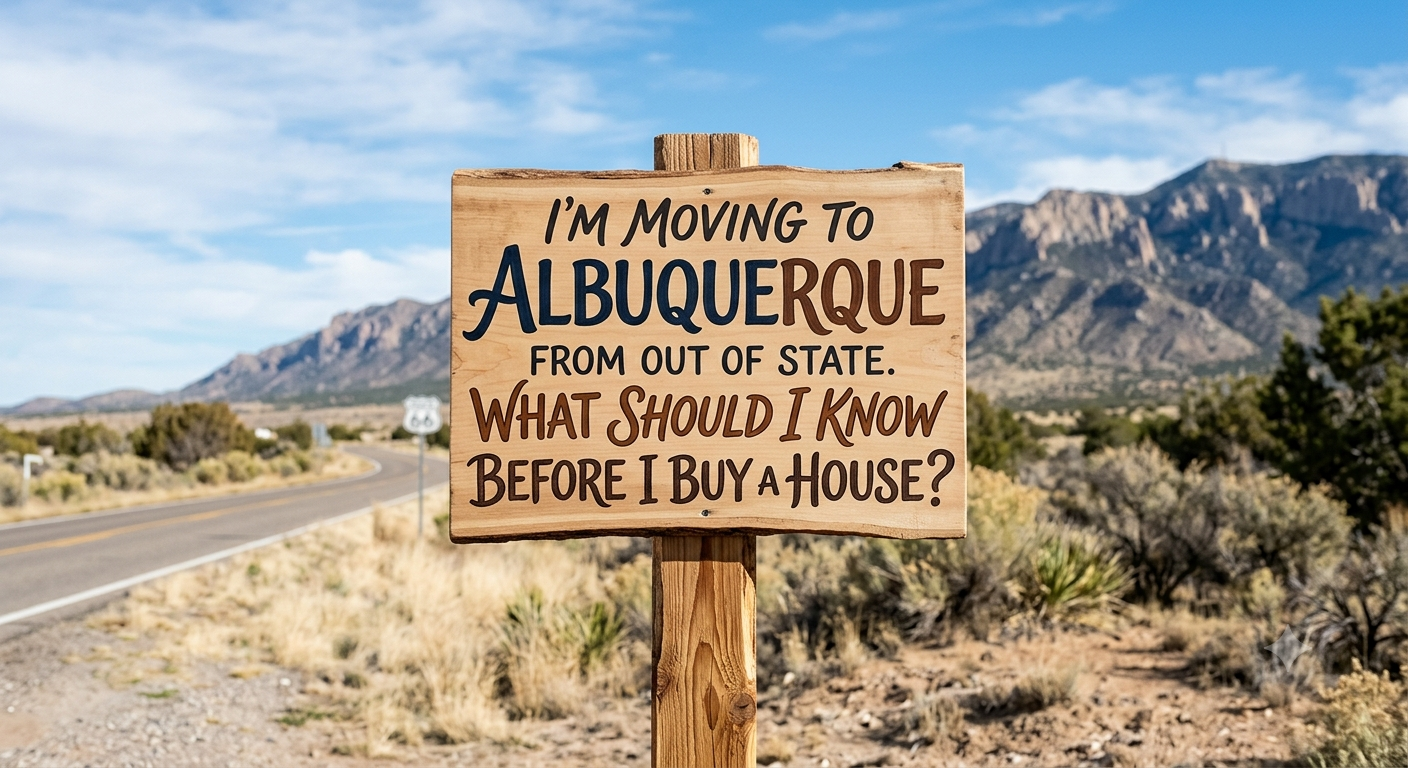
Displaying blog entries 1-10 of 50

Syndication

Categories

Archives

Contact Information

Photo of The Sandi Pressley Team Real Estate
The Sandi Pressley Team
Coldwell Banker Legacy
10400 Academy Rd. NE Suite 100
Albuquerque NM 87111
505-980-2999
505-263-2173 / 505 293-3700
Fax: 505-212-0729

Quick links to this site are also SandiSells.net or SandiSellsHomes.com