Real Estate Information Archive

Blog

Displaying blog entries 1-3 of 3

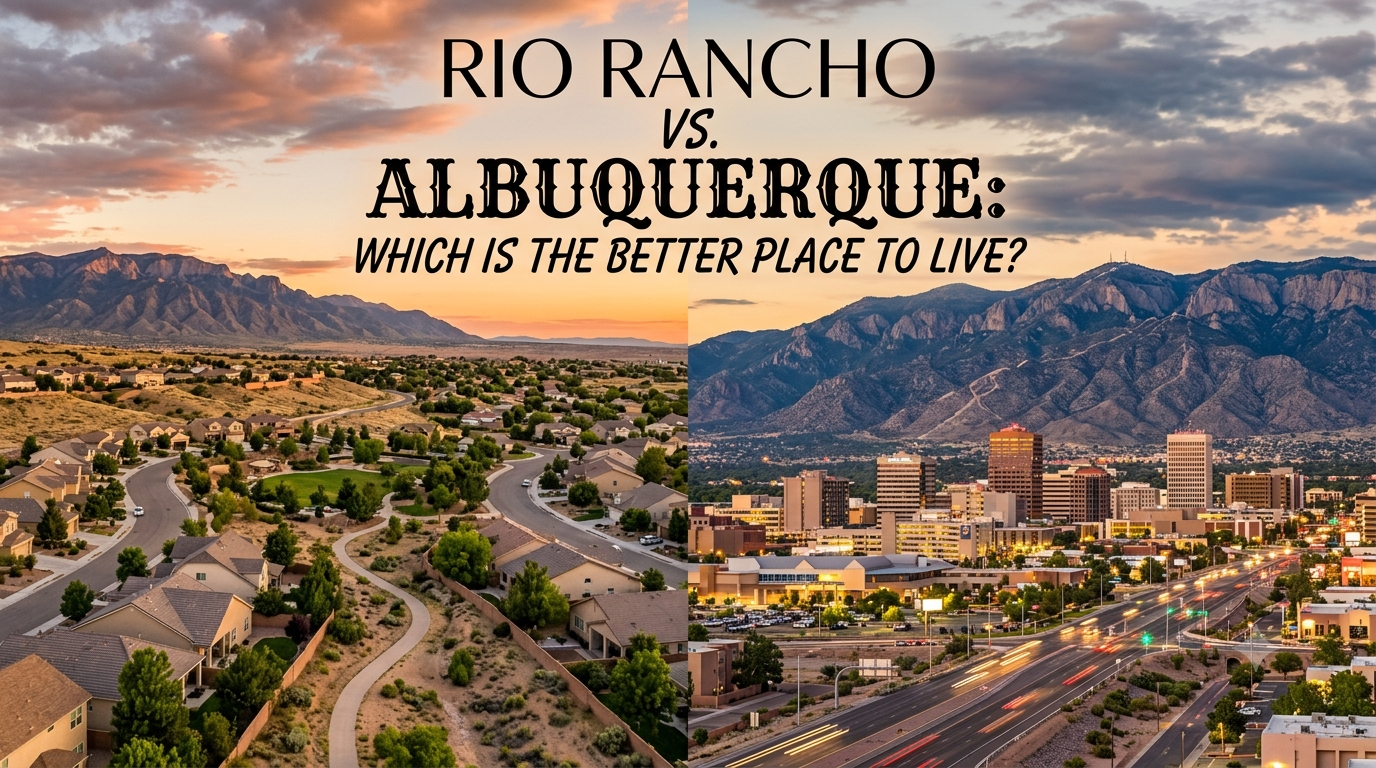
Rio Rancho vs. Albuquerque: Which Is the Better Place to Live?
by Sandi Pressley

People moving to New Mexico often begin with a simple assumption. They search for homes in Albuquerque, notice that Rio Rancho sits right next door, and conclude that choosing between the two probably comes down to price. If one city offers a little more square footage or a slightly newer home, the decision should be easy.

It rarely works that way.

After the first few days of research, buyers usually discover they're asking very different questions. Instead of comparing home prices, they're wondering where they'll spend their weekends. They're trying to picture the drive to work, thinking about where they'll meet friends for dinner, considering how close they'd like to be to hiking trails, and imagining what life will actually feel like after the excitement of moving has worn off. Somewhere along the way, the conversation stops being about real estate and starts becoming much more personal.

That's because Albuquerque and Rio Rancho aren't simply neighboring cities. They offer two distinctly different ways of experiencing the same metropolitan area.

People who already live here understand that instinctively. They know which neighborhoods feel established and which still have the energy of a growing community. They know which route offers the best view of the Sandias on the drive home and which areas stay busiest during rush hour. They've learned where they like to spend Saturday mornings, where they prefer to shop, and how different one side of the river can feel from the other without ever seeming far away.

For someone relocating from another state, none of that context exists yet.

That's what makes this decision more challenging than it first appears.

Over the years, we've helped buyers relocate from California, Colorado, Texas, Arizona, Washington, Illinois, Florida, and nearly every corner of the country. Almost everyone begins with the same question.

"Which one is better?"

It's understandable, but it's also the wrong question.

A better question is this:

Which one fits the life you're hoping to build?

Once the conversation starts there, the answer usually becomes much clearer.

They're Close Together, But They Didn't Grow the Same Way

From an airplane, Albuquerque and Rio Rancho appear to blend into one continuous metropolitan area. Looking at a map, it's easy to assume they developed side by side and offer nearly identical experiences.

Living here quickly proves otherwise.

Albuquerque has grown over centuries. Its oldest neighborhoods tell the story of the city's history, while newer communities reflect decades of expansion toward the foothills and across the Westside. That gradual growth created a city filled with variety. Established neighborhoods shaded by mature trees exist only minutes from contemporary developments. Historic adobe homes share the same city with luxury estates overlooking the Sandia Mountains. Walkable districts filled with locally owned restaurants sit alongside quiet residential communities where neighbors have known one another for generations.

The result is a city with personality. Different parts of Albuquerque don't simply look different; they feel different.

Rio Rancho tells another story.

While the community has existed for decades, much of its growth has occurred during the past generation. That newer development is immediately noticeable. Streets tend to be wider. Homes often feature open floor plans, larger garages, generous primary suites, and neighborhood layouts designed around parks and newer schools. For buyers moving from suburban communities elsewhere in the country, Rio Rancho often feels familiar from the very first visit.

Neither approach is inherently better. They're products of different histories, and each appeals to a different kind of buyer. Understanding that distinction is far more valuable than comparing statistics because neighborhoods influence your daily life long after you've forgotten what you paid per square foot.

The House Isn't the Biggest Decision You'll Make

People often believe they're shopping for a home when they begin their search.

In reality, they're choosing a lifestyle.

That difference isn't obvious while you're scrolling through listings online. Every beautifully photographed kitchen begins to look like the next one. Updated flooring, renovated bathrooms, and professionally staged living rooms all compete for your attention, making it easy to believe you've found the perfect house before you've ever visited the neighborhood surrounding it.

We've watched that happen countless times.

Someone falls in love with a home because it checks every box on paper. The price fits their budget. The finishes are beautiful. The backyard looks perfect for entertaining. Then we start driving through the surrounding community.

Suddenly the conversation changes.

The grocery store they expected is fifteen minutes away. Their commute is longer than they realized. The restaurants they imagined visiting every weekend are on the opposite side of town. The walking trails they hoped to enjoy aren't nearby, and the atmosphere feels very different from what they pictured when they first decided to move.

None of those discoveries mean the home is wrong.

They simply remind buyers that the life surrounding a house often matters more than the house itself.

That's why we spend far more time talking about lifestyle than square footage.

Everyday Life Looks Different in Each Community

Ask longtime residents why they love where they live and very few begin by talking about their mortgage payment.

Instead, they'll describe routines.

Someone living in Albuquerque may tell you about Saturday mornings at the Downtown Growers' Market before stopping for breakfast in Old Town. Another might spend weekends hiking in the Sandia Foothills or meeting friends in Nob Hill for dinner before catching a performance at Popejoy Hall. Families often build traditions around neighborhood parks, community events, museums, and local festivals that have become part of the city's identity over generations.

Life in Rio Rancho often develops around a different rhythm.

Many residents appreciate the quieter pace that comes with newer suburban neighborhoods. Children ride bikes through cul-de-sacs after school. Parks and community recreation facilities become gathering places for youth sports and family events. Larger backyards make weekend barbecues common, while newer commercial areas continue expanding to meet the needs of one of New Mexico's fastest-growing communities.

Neither experience is more authentic than the other.

They're simply different expressions of what people want from everyday life.

That's an important distinction because buyers often spend months comparing homes while spending only a few hours considering how they actually want to live once they've moved.

Commutes Matter More Than Most Buyers Expect

One of the easiest mistakes relocating buyers make is assuming a thirty-minute drive always feels the same.

It doesn't.

A scenic drive that follows the mountains can feel surprisingly enjoyable. The same amount of time spent in stop-and-go traffic every weekday quickly becomes exhausting. That's why commute times should always be measured against your actual routine rather than a map.

Someone working at Intel may find Rio Rancho incredibly convenient. A physician commuting to UNM Hospital or a professional working Downtown may discover Albuquerque offers a significantly easier daily drive. Employees at Sandia National Laboratories, Kirtland Air Force Base, or businesses scattered throughout the metropolitan area each face different considerations.

Remote workers should think beyond commuting altogether.

Where will you meet clients?

Where will you work when you need a change of scenery?

Where will friends and family stay when they visit?

Those questions often shape daily life just as much as the drive to an office.

The happiest buyers usually aren't the ones with the shortest commute.

They're the ones whose home supports the routine they've built around work, family, and everything that happens after five o'clock.

Schools Are Part of the Conversation, but They Shouldn't Be the Entire Conversation

For families with children, schools naturally become one of the first topics that comes up during a relocation. It's also one of the easiest areas to oversimplify.

Every year, buyers ask us whether Albuquerque or Rio Rancho has the "better" schools, hoping for a quick answer that will narrow their search. The reality is more nuanced than that. Both communities offer schools with excellent reputations, schools that may not be the right fit for every student, charter schools, private schools, and specialized academic programs. The best choice often depends as much on your child's needs as it does on district boundaries.

We've worked with parents whose highest priority was finding strong STEM programs. Others were focused on athletics, arts education, language immersion, or shorter bus rides. Some wanted an established neighborhood where generations of families had attended the same schools, while others preferred newer communities with campuses built alongside expanding residential developments.

Those conversations are always more productive than simply comparing rankings on a website. School ratings provide useful information, but they don't tell you whether a child will thrive in a particular environment or whether a neighborhood fits the way your family wants to live. That's one reason we encourage relocating buyers to think about the entire picture rather than making a decision based on a single statistic.

Home Prices Tell an Incomplete Story

It's true that buyers can often find newer homes and more square footage in Rio Rancho for a price that surprises people moving from larger metropolitan areas. That's one of the community's biggest draws, and for many families it represents an opportunity to purchase a home that would be well beyond their budget elsewhere.

Looking only at the purchase price, however, can create a misleading comparison.

The monthly cost of owning a home extends well beyond the mortgage payment. Utility expenses, commuting costs, maintenance, landscaping, homeowners association fees, and even how often you find yourself driving across town all contribute to the true cost of living in a particular location. A home that appears to save money on paper may end up costing more in time and day-to-day convenience, while a property with a higher purchase price may fit your routine so well that it feels like a better value over the long term.

The buyers who are happiest several years after closing are rarely the ones who found the cheapest house. More often, they're the ones who found a neighborhood that made everyday life easier.

Lifestyle Is Where the Differences Become Most Obvious

Numbers can help you compare communities, but they don't explain why people become attached to one place over another.

That attachment develops through ordinary moments.

In Albuquerque, those moments might include walking through Old Town on a fall afternoon, spending a Saturday morning at the Downtown Growers' Market, hiking in the foothills before work, or meeting friends for dinner in Nob Hill. The city has a cultural depth that reflects centuries of history, and that history shows up in its architecture, local businesses, museums, festivals, and neighborhoods. Living there often means feeling connected to a place that has evolved over generations.

Rio Rancho offers a different kind of appeal. Many residents appreciate the quieter pace, newer neighborhoods, and sense of openness that comes with a city still growing into itself. Parks, recreation centers, youth sports, and neighborhood events become gathering places where families quickly establish routines. For buyers looking for newer construction and a suburban atmosphere, that environment often feels like exactly the right fit.

Neither community asks you to sacrifice access to the things that make New Mexico special. Both provide convenient access to the Sandia Mountains, year-round outdoor recreation, Balloon Fiesta, local cuisine, and the remarkable landscapes that define this part of the Southwest. The difference lies less in what you can do and more in how you choose to spend an ordinary week.

Which Community Is Right for You?

After years of helping buyers compare Albuquerque and Rio Rancho, we've noticed a pattern.

People who enjoy established neighborhoods, local restaurants, cultural events, diverse architecture, and a variety of community experiences often find themselves drawn toward Albuquerque. They appreciate that every part of the city has its own personality and that exploring different neighborhoods is part of what makes living there enjoyable.

Buyers who value newer homes, quieter residential streets, larger floor plans, and a more suburban environment frequently discover that Rio Rancho aligns with the lifestyle they imagined when they first began planning their move. They enjoy the feeling of newer communities and the space that many neighborhoods provide without leaving the Albuquerque metropolitan area.

It's important to recognize that these are broad observations rather than rigid rules. Plenty of Albuquerque neighborhoods feel suburban, and parts of Rio Rancho offer views and settings that are unlike traditional suburban developments. The best decision almost always comes from visiting both communities with an open mind instead of trying to confirm assumptions you made before arriving.

The Biggest Mistake Buyers Make

The most common mistake isn't choosing Albuquerque when they should have chosen Rio Rancho.

It isn't choosing Rio Rancho when Albuquerque would have been a better fit.

The biggest mistake is believing the decision should be made by comparing spreadsheets instead of imagining daily life.

Real estate websites make it easy to compare square footage, lot size, and asking price. Those details matter, but they don't tell you where you'll celebrate birthdays, where your children will make friends, or which coffee shop becomes part of your weekend routine. They can't show you the route you'll drive home after work or explain why one neighborhood feels welcoming the moment you arrive.

Those experiences shape your satisfaction far more than the number of bedrooms in your home.

The buyers who settle in most successfully are the ones who spend as much time exploring communities as they do touring houses. They allow themselves to experience each area before deciding where they want to build the next chapter of their lives.

There Isn't a Universal Winner—and That's Good News

People often expect us to recommend one community over the other.

We don't.

If we told every client to buy in Albuquerque, we'd be giving poor advice to the family that would be happier in Rio Rancho. If we steered everyone toward Rio Rancho, we'd overlook buyers who would thrive in one of Albuquerque's established neighborhoods.

The right answer depends on the person asking the question.

That's what makes relocation both exciting and challenging. You're not simply choosing a property. You're choosing the backdrop for your daily life, and that decision deserves more thought than any online comparison can provide.

Fortunately, there isn't a bad choice.

Both Albuquerque and Rio Rancho have welcomed generations of families, professionals, retirees, military personnel, entrepreneurs, and newcomers looking for a fresh start. Both continue to grow because people find opportunities to build meaningful lives in each community.

The goal isn't to discover which city wins the comparison.

It's to discover which one feels like home when you imagine your life there five years from now.


Frequently Asked Questions

Is Rio Rancho less expensive than Albuquerque?

In many cases, buyers find newer homes and more square footage for the money in Rio Rancho, although prices vary significantly by neighborhood, home size, and market conditions. Looking beyond the purchase price to include commuting, maintenance, and lifestyle is often the better way to compare overall value.

Is Albuquerque or Rio Rancho better for families?

Both communities attract families for different reasons. Albuquerque offers a wide variety of established neighborhoods, parks, and cultural amenities, while Rio Rancho appeals to many buyers looking for newer neighborhoods, community parks, and a suburban atmosphere.

Which city has the shorter commute?

That depends entirely on where you work. A location that's ideal for someone employed at Intel may be less convenient for someone working Downtown, at UNM, or at Kirtland Air Force Base. Evaluating your actual daily routine is more useful than comparing average drive times.

Are the housing markets similar?

They're closely connected because both are part of the same metropolitan area, but inventory, home styles, and pricing can differ from one neighborhood to another. Buyers should evaluate individual communities rather than assuming the markets behave identically.

Should I tour both communities before making an offer?

Absolutely. Even if you've narrowed your search online, spending time driving through neighborhoods, visiting local businesses, and experiencing each community firsthand often changes the way buyers think about their priorities.

Thinking About Choosing Between Albuquerque and Rio Rancho?

Every relocation is different, and the right community depends on far more than home prices or online rankings. It depends on your commute, your family, your interests, and the kind of life you want to build after the move is over.

For more than four decades, The Sandi Pressley Team has helped buyers navigate both Albuquerque and Rio Rancho, providing the local perspective that's difficult to find in online searches alone. If you're comparing neighborhoods, trying to understand the market, or simply wondering which community feels like the best fit, we're here to help you make that decision with confidence.

Our goal isn't to convince you that one city is better than the other. It's to help you find the place that will still feel like home long after the boxes are unpacked.

HOT PROPERTY OF THE WEEK
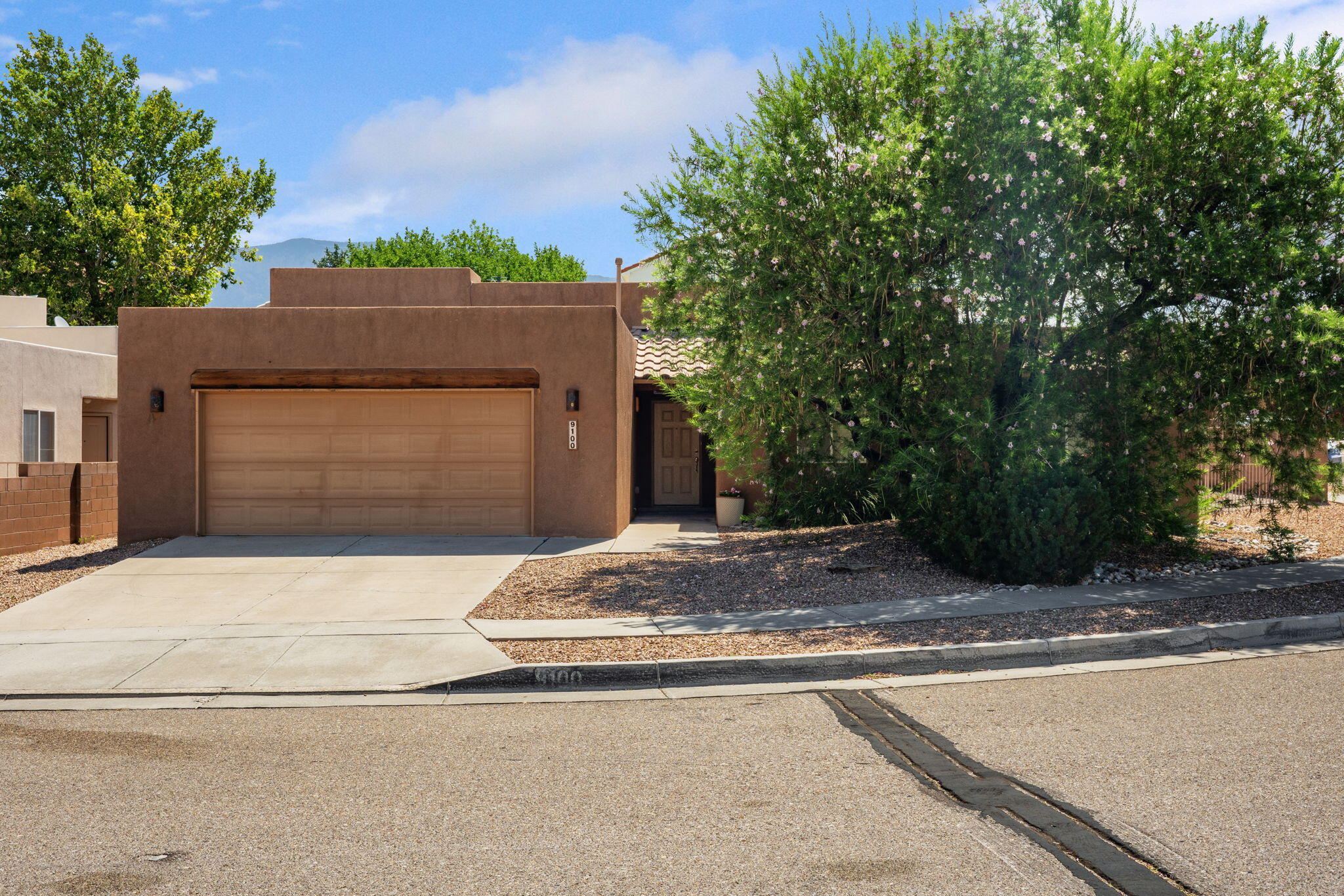

9100 SILVERWOOD DRIVE NE, ALBUQUERQUE, NM

Impeccably maintained Pueblo-style home in the highly desirable Desert Ridge Trails neighborhood, served by sought-after schools. Boasting a bright, open floor plan featuring a spacious great room with raised wood-beamed ceilings, a cozy Kiva fireplace, plantation shutters throughout, refrigerated air, fresh interior paint 2026, & French doors leading out from dining area to the backyard. The kitchen offers beautiful cabinetry, SS appliances, skylights, & an eat-at bar that overlooks dining & great room. Private primary suite includes patio access, a spa-like bath with jetted tub, separate shower, and ample walk-in closet. Enjoy a beautifully landscaped backyard w/covered patio, all on corner lot w/double-gate for backyard access. Conveniently located near shopping, dining, schools, & I-25

GET YOUR MORNING INSPIRATION WITH THE SANDI PRESSLEY TEAM

What Salary do you Need to Live Comfortably in Albuquerque?

by Sandi Pressley

Albuquerque has long been known as one of the more affordable cities in the Southwest, but affordability is a relative term. What feels comfortable to a recent college graduate renting an apartment near Nob Hill is very different from what a growing family needs in Northeast Heights or what a retired couple hopes to find in North Valley. That's why the question, "What salary do you need to live comfortably in Albuquerque?" deserves a more thoughtful answer than a single dollar amount. 

The truth is that comfortable living isn't defined by an income bracket. It's defined by whether your income supports the life you actually want to live. After helping thousands of buyers throughout Albuquerque, The Sandi Pressley Team has seen firsthand that households earning the same salary often have completely different financial experiences. One family feels secure and has room to travel, save, and enjoy everything the city offers. Another feels stretched every month despite earning a similar income. The difference usually isn't Albuquerque itself. It's the choices people make about housing, commuting, debt, and lifestyle.

For most people relocating here, Albuquerque offers something that's becoming increasingly difficult to find in the western United States: balance. Home prices remain considerably lower than many major cities throughout Colorado, Arizona, California, and the Pacific Northwest, while residents still enjoy access to excellent healthcare, higher education, outdoor recreation, cultural events, and a growing economy. According to the MIT Living Wage Calculator, the income required to meet basic living expenses in the Albuquerque area varies significantly depending on household size, but it provides a useful starting point for understanding realistic budgets.

Where many online articles get this conversation wrong is by confusing living with living comfortably. Covering your monthly bills is one thing. Having enough left over to enjoy your life, prepare for unexpected expenses, and save for the future is something entirely different. Most financial planners recommend spending no more than 25 to 30 percent of your gross monthly income on housing, leaving room for transportation, healthcare, retirement savings, entertainment, travel, and emergencies. In practice, many households exceed that percentage, which often explains why two people with identical incomes describe their financial situations so differently.

Consider someone relocating to Albuquerque for a position at Sandia National Laboratories. They may earn an excellent salary, but if they immediately purchase a home at the very top of their approval range, finance two new vehicles, and carry significant consumer debt, their budget will feel much tighter than expected. On the other hand, someone earning less who purchases conservatively, keeps commuting costs low, and prioritizes experiences over possessions may discover they have far more financial freedom than they anticipated.

That's one of the reasons Albuquerque continues attracting buyers from higher-cost housing markets. People moving from cities like San Diego, Seattle, Denver, or the Bay Area often discover they can purchase a larger home, reduce their monthly housing costs, and still have money available to enjoy the lifestyle that drew them here in the first place.

Lifestyle matters more than salary.

A single professional earning $70,000 may find Albuquerque extremely comfortable. Renting or purchasing a modest home, enjoying local restaurants, hiking in the Sandia Mountains, attending Isotopes baseball games, exploring Old Town, and spending weekends at the Bosque or the Rail Yards Market can all fit comfortably within that budget. Albuquerque offers countless activities that don't require extravagant spending, which is one of the city's underrated advantages.

For a young couple earning a combined income between $90,000 and $130,000, the conversation often shifts from affordability to opportunity. Instead of asking whether they can afford Albuquerque, they begin asking which neighborhood fits their long-term goals. Some choose newer communities on the Westside because they appreciate larger floor plans and newer construction. Others gravitate toward Northeast Heights for its established neighborhoods, parks, shopping, and convenient access throughout the city. Couples working remotely sometimes prioritize North Valley or Corrales, where larger lots, mature trees, and quieter surroundings create a completely different lifestyle than many suburban developments.

Families naturally have a more complex equation to solve. Housing is only one part of the monthly budget. Childcare, extracurricular activities, groceries, healthcare, transportation, and future college savings all become important considerations. A family earning $150,000 may feel financially comfortable in one neighborhood while feeling considerably more pressure in another simply because of the home they chose to purchase. That's why The Sandi Pressley Team spends so much time discussing lifestyle before discussing homes. The right house should support your financial goals, not consume them.

One aspect of Albuquerque that surprises many newcomers is how much your daily routine influences your overall cost of living. Someone who lives close to work may spend dramatically less on fuel and vehicle maintenance than someone commuting across the metro area every day. Choosing a neighborhood that fits your lifestyle doesn't just improve your quality of life—it often reduces your monthly expenses in ways people don't initially consider.

Utilities deserve attention as well. Albuquerque enjoys more than 300 days of sunshine each year, but summers can be warm and winters occasionally cold. Older homes with less efficient insulation or outdated cooling systems may have noticeably different utility costs than newer construction built with modern energy standards. That's not necessarily a reason to avoid older homes, but it's something buyers should include when comparing monthly budgets rather than focusing exclusively on the mortgage payment. Information from the U.S. Energy Information Administration and local utility providers consistently shows that home size, age, insulation, and cooling systems can have a meaningful impact on annual household energy costs.

Retirees often discover Albuquerque offers a compelling balance between affordability and quality of life. Access to healthcare, outdoor recreation, cultural events, and relatively manageable housing costs continues attracting retirees from across the country. Some prioritize low-maintenance patio homes in established communities, while others seek larger properties in North Valley or Corrales where they can enjoy gardening, horses, or simply more space. Retirement budgeting becomes less about replacing a salary and more about protecting long-term financial security while maintaining an enjoyable lifestyle.

Luxury buyers approach the question differently altogether. Comfort at that level often means privacy, mountain views, custom architecture, acreage, or proximity to golf courses rather than simply affordability. Communities like High Desert, Tanoan, Sandia Heights, and North Albuquerque Acres each offer distinct advantages, and Albuquerque's luxury market frequently provides significantly more purchasing power than comparable properties in Denver, Scottsdale, or many California markets.

One misconception we hear regularly is that people should buy as much house as the bank approves them to purchase. Financing guidelines determine what you may qualify for—not necessarily what will feel comfortable after you've moved in. A home should enhance your life, not limit it. Leaving room in your budget for travel, hobbies, dining out, home maintenance, and unexpected expenses often creates a much healthier long-term financial picture than maximizing every dollar of borrowing capacity.

So what salary do you actually need to live comfortably in Albuquerque?

For many individuals, annual incomes around the local median or above can support a comfortable lifestyle depending on housing choices and personal priorities. Couples often enjoy even greater flexibility when combining two incomes, while families benefit from careful budgeting that balances housing with long-term financial goals. The exact number matters far less than whether your budget supports the lifestyle you hope to build.

That's ultimately the question worth asking.

Not, "How much do homes cost?"

Not, "What's the average salary?"

But rather, "Can I build the life I want here without constantly worrying about money?"

For many people, the answer is yes.

That's one of the reasons Albuquerque continues attracting professionals, retirees, military families, healthcare workers, educators, engineers, entrepreneurs, and remote workers from across the country. The city offers something increasingly rare: the opportunity to enjoy a high quality of life without paying the premium found in many larger western metropolitan areas.

If you're considering relocating, the best financial decision isn't simply finding the least expensive home. It's finding the home—and the neighborhood—that allows you to enjoy Albuquerque for years to come. The Sandi Pressley Team has spent decades helping buyers understand not only the housing market, but also the lifestyle that comes with each community. Whether you're relocating from another state or simply moving across town, having local guidance can make the difference between buying a house and finding a home that's financially and personally the right fit.

HOT PROPERTY OF THE WEEK

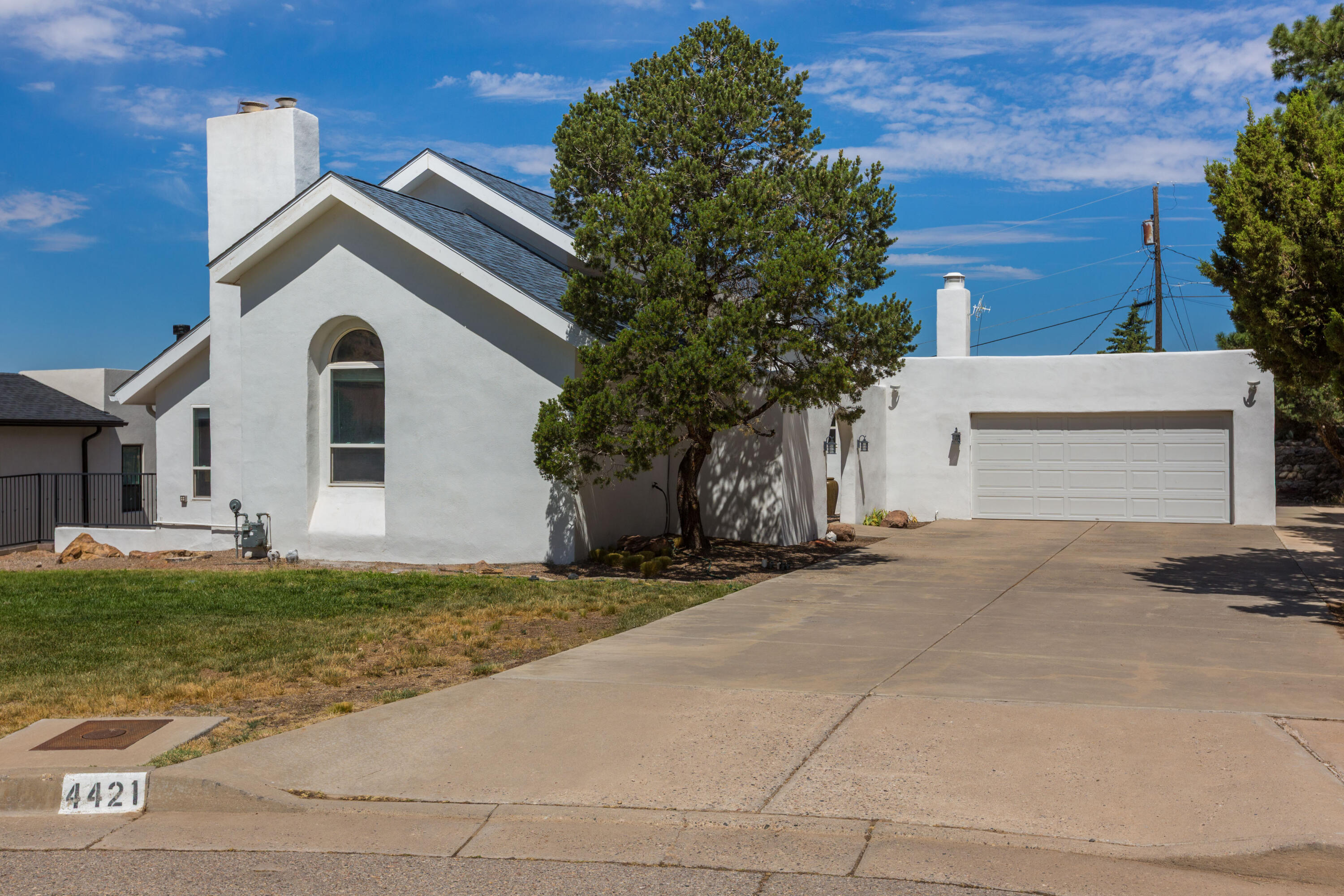
4421 HIDDEN VALLEY COURT NE, ALBUQUERQUE, NM

Incredible views, natural setting in the foothills, approx 1/3 acre and cul-de sac in beautiful Glenwood Hills! Fantastic flow floor plan with multiple living spaces! Lots of character & charm & modern updates. Take in the sunrise & sunsets on the wrap around deck!! 5BDRs and loft plus a finished walk-out basement offering versatile flex space for office, recreation room, exercise room plus bdrs and full bath! Spacious living, dining, kitchen and family rm & primary suite on main level. 3 fireplaces, refrig air, tankless water heaters, lots of storage space, oversized 2CG, fenced side yard off walk out basement. Updates include roof, one hvac, deck & pergola; remodeled primary bath! Terrific location close to foothills trails, parks, schools and shopping!

GET YOUR MORNING INSPIRATION WITH THE SANDI PRESSLEY TEAM
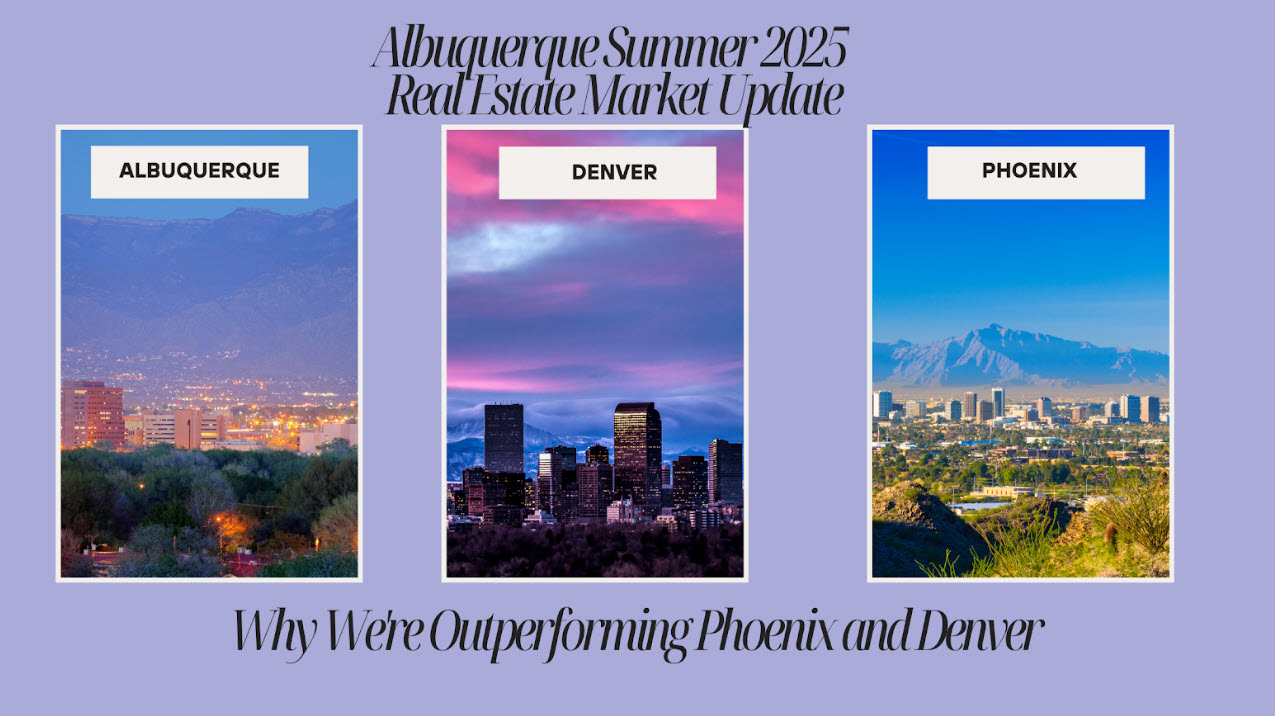
After calling Albuquerque home for over two decades and helping countless families navigate the Southwest real estate landscape, we're witnessing something remarkable this summer. While our neighboring metropolitan markets are experiencing significant volatility and cooling, Albuquerque continues to demonstrate the steady, reliable growth that makes this market such a wise choice for both buyers and sellers.


The numbers tell a compelling story. While Phoenix grapples with "stale" listings and Denver faces inventory surges and price stagnation, Albuquerque is quietly outperforming both markets in ways that matter most to everyday homeowners and investors alike.


A Tale of Three Cities: A Southwest Reality Check

Today, we thought it was essential to examine the current market conditions across our region, because the differences are striking and reveal why Albuquerque's approach to growth has proven so sustainable.


Albuquerque: Steady as She Goes. Our local market continues its measured pace with median home prices around $355,000, representing a healthy 1.4% to 3% year-over-year increase depending on the data source. Homes are selling in approximately 28 to 31 days, and our market maintains a "somewhat competitive" rating of 66 out of 100. Most importantly, we're seeing consistent activity without the dramatic swings plaguing other markets.


Phoenix: The Struggle is Real. Phoenix, long considered a Southwest growth darling, is showing severe signs of strain. With median home prices at $456,000, the market has essentially flatlined with only a 0.2% year-over-year increase. Perhaps more telling, homes are now sitting on the market for 53 days compared to 45 days last year. Industry reports indicate that nearly half of Phoenix home listings are now considered "stale" after being on the market for over 60 days, with the median days on market before homes sell or get pulled reaching 70 days.


Denver: Inventory Overload and Price Pressure. Denver presents perhaps the most concerning picture. With median home prices around $625,000, the market is experiencing actual price declines in some reports, down 2.6% year-over-year. The city has seen a staggering 48.5% increase in inventory, with over 10,000 homes for sale – nearly double the usual spring amount. Homes that once sold in days are now sitting for 25 to 40 days, and condo prices have fallen about 6% to a median of $389,000.


We wanted to investigate the data further to find out why Albuquerque is winning. We found a contrast that couldn't be more apparent, and it comes down to fundamentals that we've long championed in our local market analysis. Albuquerque's success stems from several key factors that create sustainable growth rather than boom-and-bust cycles.


Affordability Remains King While Denver home prices sit 40% above the national average and Phoenix struggles with inventory at elevated price points, Albuquerque maintains its position 21% below the national average. More than just a number on a spreadsheet – Albuquerque's affordability is the difference between sustainable homeownership and pricing out entire generations of buyers.


Our overall cost of living remains 5% lower than the national average, compared to Denver's 9% premium and Phoenix's 6% premium. When families can afford to live in a market, you get steady demand rather than speculative bubbles.


Economic Diversity Provides Stability. Unlike markets that rely heavily on single industries or speculative growth, Albuquerque benefits from economic diversification. Our foundation includes Sandia National Laboratories, the University of New Mexico, Kirtland Air Force Base, the growing film industry, and a robust healthcare sector. This diversity means we're less susceptible to the dramatic swings that affect markets dependent on tech booms, construction bubbles, or single-industry employment.


The forecasts for Albuquerque predict steady 3% to 4% home price appreciation for 2025, which represents healthy, sustainable growth that benefits both buyers and sellers without creating the instability we're seeing elsewhere.


Population Growth Without the Growing Pains. While Denver and Phoenix have experienced rapid population influxes that strained infrastructure and created housing shortages, followed by oversupply, Albuquerque's growth has been more measured. We're attracting residents from high-cost markets like Los Angeles and Seattle, but at a pace that allows our housing supply and infrastructure to adapt organically.


So, what does this mean for buyers and sellers today? For buyers, Albuquerque represents an increasingly rare opportunity in the Southwest: you can still find quality homes at reasonable prices without engaging in bidding wars or waiving contingencies. Our somewhat competitive market means you have time to make informed decisions and negotiate reasonable terms.


The data shows that in Albuquerque, 51% of homes sold under asking price, 28% at asking, and only 21% over asking. Compare this to the frenzied conditions that characterized Phoenix and Denver during their peak periods, and you'll understand why our market attracts serious buyers rather than speculators.


For sellers, Albuquerque's stability means you can price your home appropriately and expect reasonable activity without the dramatic price reductions becoming common in other markets. While Phoenix sellers are dealing with homes sitting for over two months and Denver sellers are cutting prices on 19% of listings, Albuquerque sellers can list with confidence knowing there's consistent buyer demand.


We're seeing the smart money choose Albuquerque. From an investment standpoint, the comparison becomes even more compelling. While Phoenix and Denver investors are dealing with carrying costs from extended marketing periods and potential price corrections, Albuquerque offers the sweet spot of steady appreciation with minimal volatility.


Our rental market remains strong without the oversupply issues affecting Denver, where the vacancy rate has jumped above 7% – the highest since 2009. Albuquerque's diverse employment base means rental demand stays consistent, and our affordable purchase prices allow for positive cash flow in rental properties.


The New Mexico Mortgage Finance Authority programs we frequently discuss with clients provide additional advantages that aren't available in neighboring states, making our market even more attractive for first-time buyers and investors alike.


We've learned many lessons over the years as we have guided clients through multiple market cycles. Mainly, that steady, sustainable growth consistently outperforms dramatic boom-bust cycles in the long run. The markets experiencing the most volatility today are often those that saw the most dramatic increases during peak periods.


Albuquerque's measured approach means our buyers aren't overpaying at market peaks, and our sellers don't need to slash prices during corrections. This stability creates confidence that supports continued healthy market activity. The current conditions also validate the advice we've been giving clients for years: focus on fundamentals like location, schools, employment opportunities, and quality of life rather than chasing rapid appreciation or speculative gains.


Reviewing Summer 2025, we found a distinct Albuquerque advantage. This summer's market conditions perfectly illustrate why we're so bullish on Albuquerque's long-term prospects. While Phoenix deals with inventory gluts and Denver faces price pressures, we're seeing continued healthy activity with reasonable appreciation.


Our market's 3% to 4% projected growth may seem modest compared to the double-digit gains some markets experienced during peak periods. Still, it's sustainable, builds real wealth over time, and doesn't leave buyers underwater when market conditions shift.


The 310 days of sunshine, proximity to outdoor recreation, rich cultural heritage, and diverse economy that first attracted families to Albuquerque remain unchanged. But now these lifestyle benefits come with the added advantage of market stability that's increasingly rare in the Southwest.


So, what strategic considerations are essential as you look at the remainder of 2025 and beyond? For those considering a move to or within Albuquerque, current conditions present excellent opportunities. Interest rates may be higher than in recent years. Still, our affordable home prices mean monthly payments remain manageable compared to other Southwest markets.


The ongoing challenges in Phoenix and Denver are likely to continue driving migration to more affordable markets like ours. This migration provides steady demand support without the speculative pressures that create unsustainable conditions.


We're also seeing increased interest from California and Pacific Northwest buyers who appreciate our combination of affordability, lifestyle, and market stability. This trend supports continued healthy appreciation without the rapid escalation that eventually prices out local buyers.


We can all agree that we live in an uncertain world. So, how do you build sustainable long-term growth? Our experience shows us that Markets built on solid fundamentals rather than speculation tend to perform well during both good times and challenging periods. So, as we look toward the remainder of 2025 and beyond, Albuquerque's measured approach to growth positions us well for continued success regardless of broader economic conditions.


The current divergence between Albuquerque and our neighboring markets isn't temporary – it reflects fundamental differences in approach, economic diversity, and growth philosophy. While other markets may eventually stabilize, they'll likely do so at price points that remain challenging for many buyers.


Albuquerque offers a unique blend of affordability, stability, and quality of life that lays the foundation for sustained growth and real estate success that will benefit residents and investors for years to come. We've been watching the Albuquerque real estate market attract attention from a diverse group of buyers and investors.


So, the bottom line is that this summer's market conditions confirm what we've long believed: steady, sustainable growth built on strong fundamentals consistently outperforms volatile speculation in the long run. While Phoenix and Denver deal with the consequences of rapid appreciation followed by market corrections, Albuquerque continues demonstrating why thoughtful, measured growth creates lasting value for everyone involved.


For buyers, sellers, and investors, Albuquerque represents increasingly rare stability in an uncertain world. Our market's performance this summer validates Albuquerque's approach that prioritizes sustainable homeownership and community building over short-term speculation.


As longtime residents and real estate professionals, we're proud to serve a market that consistently delivers for our clients while maintaining the character and affordability that make Albuquerque special.

Contact The Sandi Pressley Team:


Let's chat about how Albuquerque's unique real estate market can work for you. In a world of real estate volatility, steady growth and proven fundamentals are more valuable than ever.


HOT PROPERTY OF THE WEEK

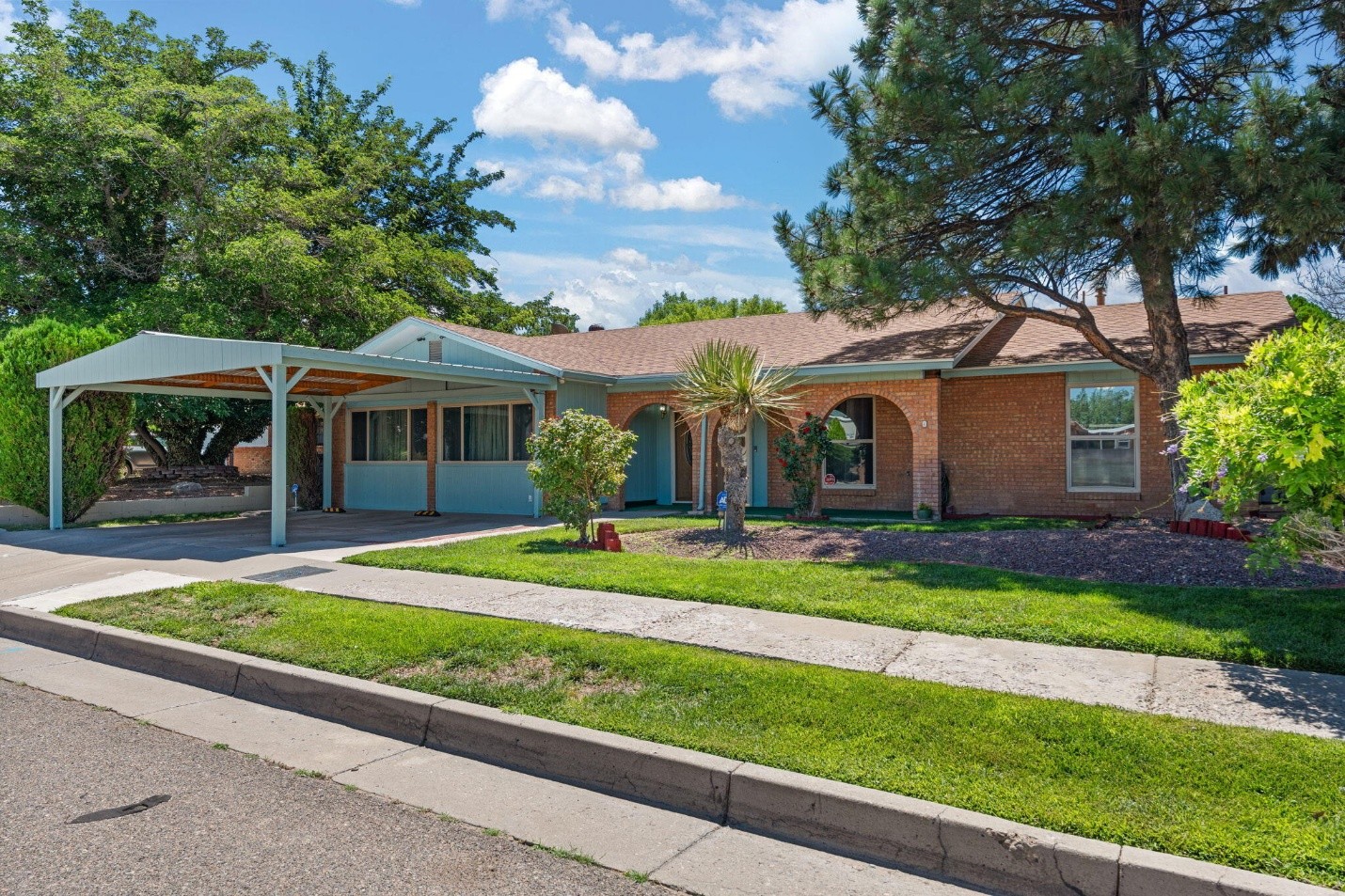
12636 YORBA LINDA DRIVE SE, ALBUQUERQUE, NM 87123


Outstanding single story home situated in the Four Hills Addition neighborhood. Cool off in the sparkling inground Gunite POOL w/water slide & solar cover! Featuring an efficient floorplan, 3 bedrooms, 2 living areas, open eat-in kitchen w/ample cabinetry, beautiful backsplash & counters, opening to adjoining living room boasting a cozy woodburning fireplace. Thermal double pane windows-approx 2 yrs old! CFA Heating, & efficient Mastercool cooling! Covered carport extends from garage conversion which holds a large secondary family room, ideal for entertaining, game room, etc. Lush landscaping, front and back, extended covered patio for warm summer nights with gas stub-out & ceiling fan; fenced in Pool area; & storage sheds. Close to shopping, restaurants, KAFB, and interstate.


SEE ALBUQUERQUE HOMES FOR SALE    SEE OUR FEATURED LISTINGS  


Get Your Morning Inspiration with the 
Sandi Pressley Team!


Displaying blog entries 1-3 of 3

Syndication

Categories

Archives

Contact Information

Photo of The Sandi Pressley Team Real Estate
The Sandi Pressley Team
Coldwell Banker Legacy
10400 Academy Rd. NE Suite 100
Albuquerque NM 87111
505-980-2999
505-263-2173 / 505 293-3700
Fax: 505-212-0729

Quick links to this site are also SandiSells.net or SandiSellsHomes.com