I'm Moving to Albuquerque From Out of State. What Should I Know Before I Buy a House?
There’s a moment in almost every relocation when the excitement gives way to uncertainty. It usually happens after you've spent a few nights scrolling through listings, comparing neighborhoods you've never visited, and trying to picture your life in a place that still feels more like an idea than a hometown. The homes all begin to blur together. One has the perfect kitchen. Another has the backyard you've always wanted. A third seems like an incredible value, at least compared to the market you're leaving behind. Yet despite all the research, one question refuses to go away.
How do I know I'm buying in the right place?
It's the question we hear more than any other from people moving to Albuquerque.
Rarely does someone call worried about how earnest money works or whether they should order an inspection. Those are important parts of buying a home, but they're predictable. What keeps people awake at night are the things they can't easily Google. They want to know whether one neighborhood feels noticeably different from another. They wonder if commuting across Albuquerque is as easy as locals claim. They're curious about the desert climate, whether refrigerated air is worth paying more for, and why so many homes are built so differently than what they're used to seeing back home.
Those questions don't have simple answers because they aren't really about real estate. They're about what everyday life looks like after the moving truck pulls away and your new address starts feeling permanent.
That's also why buying from out of state requires a different mindset than buying across town. When you're already familiar with a city, you instinctively know which streets stay busy, which restaurants locals love, where traffic backs up, and which neighborhoods fit your lifestyle. You don't realize how much of that knowledge you've accumulated until you try to buy somewhere you've never lived. Suddenly every decision feels more significant because you don't yet have the context that longtime residents take for granted.
The good news is that Albuquerque is remarkably welcoming to newcomers. People relocate here for all kinds of reasons. Some arrive after accepting positions at Sandia National Laboratories or Kirtland Air Force Base. Others come for healthcare, the University of New Mexico, Intel, or one of the city's growing technology companies. Retirees are drawn by the climate and relatively affordable housing. Remote workers discover they can enjoy mountain views and hundreds of sunny days each year without paying the housing prices found in many other western cities. Whatever brings people here, they usually share the same goal: finding not just a house, but a place where they can build a life.
That search begins with understanding Albuquerque itself.
Albuquerque Is Smaller Than You Expect—and Bigger Than You Realize
One of the first surprises for many newcomers is that Albuquerque feels both larger and smaller than they imagined.
If you're arriving from Los Angeles, Dallas, Phoenix, or Chicago, the city may feel refreshingly manageable. You can often cross town in well under an hour, even during busier times of the day. The pace is noticeably different from larger metropolitan areas, and many people quickly appreciate not planning their lives around traffic.
At the same time, Albuquerque covers a substantial geographic area, and its communities have distinct personalities. Looking at a map doesn't fully prepare you for how dramatically the city changes from one part of town to another. Two neighborhoods separated by only a few miles can offer completely different lifestyles, architecture, school options, and daily routines.
That's one reason we encourage relocating buyers to spend less time comparing individual houses and more time understanding the communities they're considering.
Someone who loves walking to local coffee shops, breweries, and restaurants will probably enjoy a very different part of Albuquerque than someone dreaming of acreage, quiet evenings, and mountain views. A young family may prioritize parks, established neighborhoods, and shorter drives to school, while an engineer working at Sandia National Laboratories may care more about minimizing a daily commute. Neither approach is better than the other, but they lead to very different home searches.
Too often, buyers fall in love with a listing before they've fallen in love with the neighborhood around it.
That's understandable. Beautiful kitchens photograph well. Fresh paint, updated bathrooms, and professionally staged living rooms create emotional reactions. But after the furniture arrives and everyday life settles in, it's the neighborhood—not the backsplash—that shapes your experience.
The restaurants you'll frequent, the grocery store you'll visit every week, the route you drive to work, the trails where you spend Saturday mornings, and the people you'll eventually know by name all have a greater influence on your happiness than whether the home came with quartz or granite countertops.
That's why location remains the one feature no renovation can change.
Desert Living Changes the Way You Think About a Home
People moving to Albuquerque often expect the climate to be one of the easier adjustments. It's sunny, dry, and generally mild compared to much of the country. That description is accurate, but it doesn't tell the whole story.
The high-desert environment influences homeownership in ways many first-time buyers don't anticipate.
Take cooling systems, for example. Buyers from humid climates are often unfamiliar with evaporative coolers—commonly called swamp coolers—which remain popular in many Albuquerque homes. They use significantly less electricity than traditional refrigerated air and work exceptionally well during much of the year because of the region's dry climate. During periods of higher humidity, however, refrigerated air provides more consistent cooling. Neither system is inherently better for every homeowner, but understanding the difference before making an offer can prevent surprises after moving in.
Sun exposure is another consideration that rarely comes up in online home searches. Albuquerque averages more than 300 days of sunshine each year, and that abundant sunshine affects everything from utility costs to outdoor living spaces. A backyard that's perfect for evening dinners may become uncomfortably warm during the middle of a July afternoon without thoughtful landscaping or shade. South- and west-facing windows can dramatically influence indoor temperatures, particularly in older homes that haven't been upgraded with more energy-efficient windows.
Even the materials used to build homes reflect the climate. Stucco exteriors, flat or low-slope roofs, and Southwestern architectural styles aren't simply aesthetic choices; they're responses to the environment. Like any building materials, they require maintenance, but they also contribute to the distinctive character that many people find appealing after moving here.
These aren't reasons to avoid any particular home. They're reminders that buying in Albuquerque involves understanding how local conditions shape the way houses perform over time. A home that looks nearly identical on paper to one in another state may function very differently because of the climate surrounding it.
That's local knowledge you rarely gain from browsing listings online.
Don't Measure Albuquerque Against the Place You're Leaving
One of the easiest mistakes relocating buyers make is using their current city as the standard for every decision.
Someone moving from Seattle notices the sunshine first. Someone arriving from Phoenix immediately comments on the cooler evenings. Buyers from California often focus on how much more home they can afford, while people relocating from the Midwest are struck by the landscape and the mountains that seem to dominate nearly every western view.
Those observations are natural, but comparisons only go so far.
The better question isn't whether Albuquerque is like the city you're leaving.
It's whether Albuquerque fits the life you're trying to build next.
That subtle shift changes the entire conversation.
Instead of asking whether a neighborhood reminds you of home, you begin asking whether it supports the lifestyle you want five or ten years from now. Instead of searching for familiar chain restaurants or shopping centers, you start noticing local parks, walking trails, farmers markets, cultural events, and the everyday places where your new routines will develop.
That's when Albuquerque begins to feel less like a destination and more like home.
Seeing a House in Person Still Matters—Even If You Can’t See Every House
Technology has changed the relocation process in remarkable ways. Ten years ago, buying a home from another state often meant making multiple trips, coordinating schedules around flights, and hoping nothing unexpected surfaced after you arrived. Today, buyers can tour homes through high-definition video, review inspection reports online, sign documents electronically, and close on a property without ever sitting in the same room as the closing attorney.
Those tools have made long-distance purchases much easier, but they haven't eliminated the need for local perspective.
A camera has a way of flattening reality. Rooms often appear larger than they are. Ceiling heights become difficult to judge. Views from the backyard can disappear behind a carefully chosen camera angle. Perhaps most importantly, video can't capture what it feels like to stand outside at sunset, listen to the neighborhood, or notice how the streets connect to the rest of the community.
That's why we often tell relocating buyers that they're not really evaluating the house during a video tour. They're evaluating whether the house deserves a closer look.
When clients can't travel immediately, we become their eyes and ears. We don't simply point a camera at the living room and walk through the floor plan. We open cabinets, measure spaces that seem unusually small, point out deferred maintenance, show the surrounding streets, and talk honestly about the things listing photos conveniently leave out. If a home backs up to a busy road, you'll know. If the mountain views are spectacular, we'll spend time showing you exactly why. If the neighborhood feels different from what you described wanting during our first conversation, we'll say so.
That kind of guidance matters because buying a home isn't about confirming what looks good online. It's about avoiding surprises after you've moved across the country.
A "Good Deal" Isn't Always the Right Decision
Out-of-state buyers often arrive with a number in mind.
They know what they sold their previous home for, they've compared average prices online, and they quickly notice that Albuquerque frequently offers more house for the money than many western markets. It's one of the reasons the city continues attracting buyers from California, Colorado, Arizona, and the Pacific Northwest.
The temptation is understandable. If your budget stretches further here, why not buy the largest home you can afford?
Because affordability and value aren't the same thing.
A larger home may come with higher utility bills, additional maintenance, more landscaping, longer cleaning days, and a commute that quietly steals an extra five or six hours every week. On paper, it may look like a bargain. In everyday life, it may not fit the lifestyle you were hoping to create.
We've watched buyers choose a slightly smaller home in a neighborhood they genuinely love and thank themselves for years afterward. We've also seen buyers stretch for the biggest house available, only to discover that the location never felt quite right.
Square footage is easy to measure. Quality of life isn't.
The best purchase is usually the one that still feels like the right decision after the excitement of moving has faded and ordinary routines take over.
The Things New Residents Wish Someone Had Mentioned
Every city has its own learning curve, and Albuquerque is no exception. Some of the things that surprise newcomers are practical. Others are simply part of living in the high desert.
Many people underestimate the elevation. At just over 5,000 feet above sea level, Albuquerque sits considerably higher than much of the country. For most people the adjustment is temporary, but it's common to notice that hiking feels a little harder during your first few weeks or that staying hydrated suddenly becomes more important than it was back home.
The sunshine surprises people too—not because they expected less of it, but because they didn't realize how much it becomes part of daily life. Winters often feel brighter than people expect. Outdoor activities remain part of the routine for much of the year, and evenings have a way of drawing people outside, whether it's for a walk through the neighborhood or dinner on the patio while the Sandia Mountains turn their famous shade of watermelon pink.
Then there are the small details that no relocation guide ever seems to mention. You'll learn that locals have strong opinions about green chile. You'll probably start planning errands around Balloon Fiesta traffic every October. You'll discover that many conversations begin with, "Which part of town are you in?" because neighborhoods genuinely shape the way people experience the city.
Those aren't inconveniences. They're part of what gives Albuquerque its identity.
Don't Rush the Process Just Because You're Relocating
Moving on a deadline creates pressure.
Whether you're starting a new job, transferring with the military, or trying to coordinate the sale of one home with the purchase of another, it's easy to feel like every decision has to happen immediately.
Ironically, slowing down often leads to better decisions.
That doesn't necessarily mean delaying your purchase. It means taking enough time to understand why one community fits your goals better than another. It means asking questions that have nothing to do with countertops or flooring. It means thinking about what your Tuesdays will look like instead of focusing only on moving day.
Where will you buy groceries?
How long will it take to get to work?
Where will you walk the dog?
Where will your children make friends?
Where will you spend Saturday mornings?
Those questions don't usually appear on a homebuying checklist, yet they're often the ones that determine whether a house eventually feels like home.
Albuquerque Rewards Buyers Who Look Beyond the Listing
The people who end up happiest here usually have one thing in common. They stop looking for a house that checks every box and start looking for a community that supports the life they want to build.
That's an important distinction because homes change over time. Kitchens get remodeled. Landscaping matures. Paint colors come and go. Families grow, careers evolve, and priorities shift.
The neighborhood, however, continues shaping your experience every single day.
It's where you'll wave to neighbors, discover your favorite local restaurant, find the trail you walk every weekend, and gradually stop feeling like someone who just moved here.
Buying from out of state will always involve a leap of faith. No amount of online research can completely replace living somewhere. But that leap becomes much smaller when you have someone helping you understand not just the homes, but the city itself.
That's always been our role.
Helping people buy real estate is only part of what we do.
Helping them feel confident about where they're building the next chapter of their lives is the part that matters most.
Frequently Asked Questions
How many days should I spend in Albuquerque before buying a home?
If possible, plan two or three days with a purpose. Instead of trying to see every available home, spend time driving different parts of the city during various times of the day. Visit grocery stores, parks, restaurants, and the neighborhoods you're seriously considering. You'll learn far more about daily life than you will from a marathon of home tours.
Can I buy a home in Albuquerque without being here in person?
Yes. Many out-of-state buyers complete their purchase remotely using virtual tours, electronic signatures, inspections, and video calls. The key is working with a local agent who will give you an honest assessment of both the home and the surrounding neighborhood—not just what looks good on camera.
Is Albuquerque a good place for remote workers?
For many people, yes. The combination of relatively affordable housing, abundant sunshine, outdoor recreation, and access to a major airport has made Albuquerque an attractive option for remote professionals looking for a different pace of life.
Should I buy immediately after moving or rent first?
There's no universal answer. If you've done your research, understand the market, and know which communities fit your lifestyle, buying right away can make sense. If you're still uncertain about where you'd like to live, renting for a short period may help you make a more informed long-term decision.
What's the biggest mistake out-of-state buyers make?
Falling in love with a house before understanding the neighborhood. Beautiful finishes can always be updated, but location shapes your everyday life long after the excitement of closing day has passed.
Thinking About Moving to Albuquerque?
Relocating to a new city comes with plenty of questions, and the biggest ones usually have nothing to do with paperwork. They're about choosing the right neighborhood, understanding how different parts of Albuquerque fit your lifestyle, and feeling confident that you're making the right decision before you ever unpack the first box.
That's where local experience makes all the difference.
For more than 40 years, The Sandi Pressley Team has helped buyers navigate Albuquerque's neighborhoods, market trends, and unique communities. Whether you're moving from across the country or just across the state, our goal is to give you the information and guidance you need to make a confident decision—not just about the house you buy, but about where you'll build your life.
If you're planning a move to Albuquerque, we'd love to be a resource. Reach out to The Sandi Pressley Team to talk about your goals, ask questions about specific neighborhoods, or start building a relocation plan that's tailored to your timeline and lifestyle.
Contact The Sandi Pressley Team today and let's make your move to Albuquerque a successful one.
HOT PROPERTY OF THE WEEK
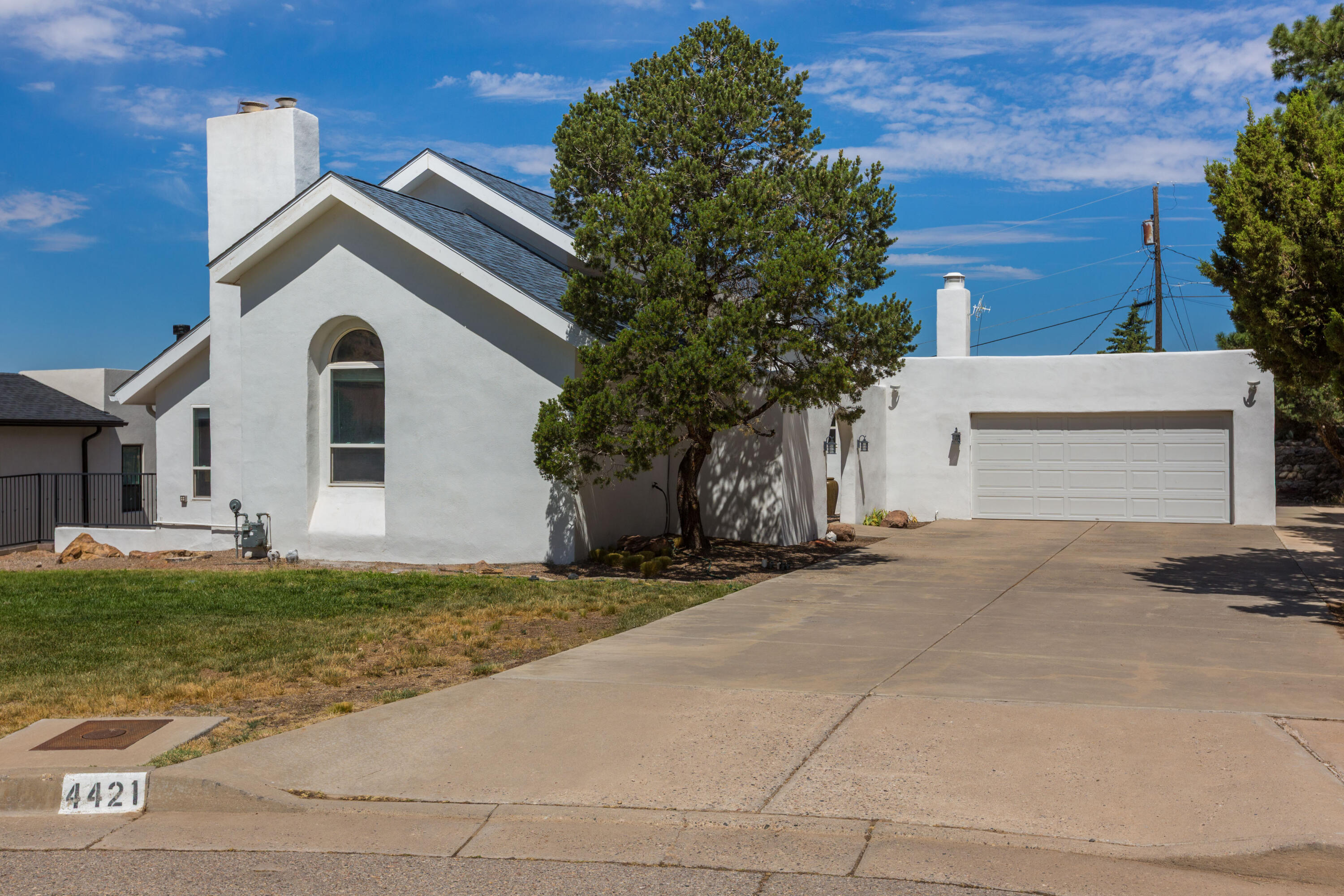
4421 HIDDEN VALLEY COURT NE, ALBUQUERQUE, NM
Incredible views, natural setting in the foothills, approx 1/3 acre and cul-de sac in beautiful Glenwood Hills! Fantastic flow floor plan with multiple living spaces! Lots of character & charm & modern updates. Take in the sunrise & sunsets on the wrap around deck!! 5BDRs and loft plus a finished walk-out basement offering versatile flex space for office, recreation room, exercise room plus bdrs and full bath! Spacious living, dining, kitchen and family rm & primary suite on main level. 3 fireplaces, refrig air, tankless water heaters, lots of storage space, oversized 2CG, fenced side yard off walk out basement. Updates include roof, one hvac, deck & pergola; remodeled primary bath! Terrific location close to foothills trails, parks, schools and shopping!
GET YOUR MORNING INSPIRATION WITH THE SANDI PRESSLEY TEAM