Real Estate Information Archive

Blog

Displaying blog entries 1-10 of 51

Every June, National Homeownership Month reminds us that homeownership is still one of the most meaningful milestones many people will achieve in their lifetime. It represents stability, opportunity, and the chance to build long-term wealth while creating a place to call home. Here in Albuquerque, we continue to see individuals and families taking that next step, whether they are purchasing their first home, moving into a larger property, downsizing after retirement, or relocating to New Mexico from another part of the country.

One of the most common conversations we have with buyers starts long before they tour a home, attend an open house, or submit an offer. It begins with a question that can shape the entire home-buying experience.

"What do I need to do to get pre-approved for a mortgage?"

It is a simple question, but the answer carries a lot of importance.

At the Sandi Pressley Team, we have guided buyers throughout Albuquerque, Rio Rancho, Corrales, Los Lunas, Bernalillo, Placitas, and the surrounding communities for many years. We have seen firsthand how a strong mortgage pre-approval can make the home-buying process smoother, faster, and far less stressful. We have also seen buyers encounter unnecessary obstacles because they waited too long to begin the financing process.

Mortgage pre-approval is much more than a letter from a lender. It is the foundation upon which every successful home purchase is built. It gives buyers clarity about their budget, confidence when making offers, and a realistic understanding of what is possible in today's market.

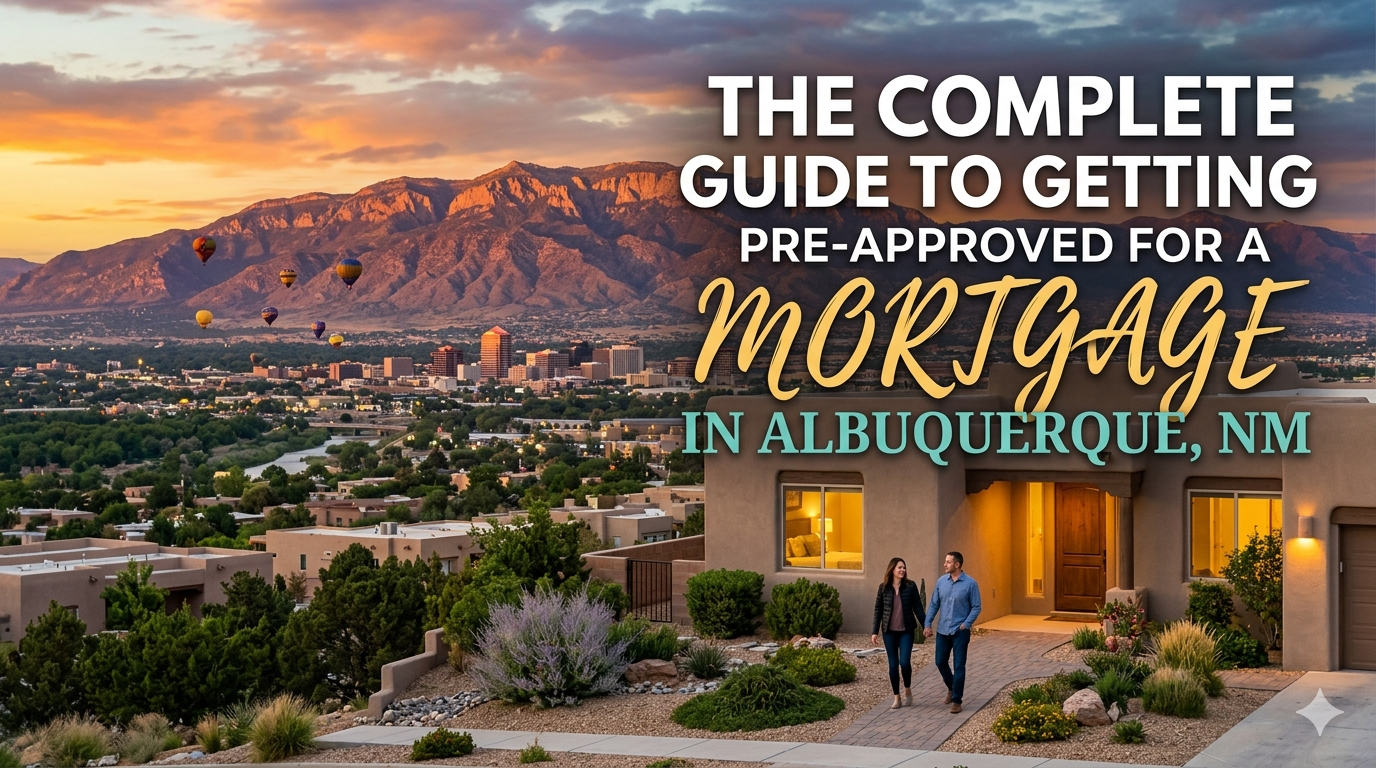
As we celebrate National Homeownership Month 2026, we wanted to create a comprehensive guide that answers the questions we hear most often from Albuquerque home buyers. Whether you are purchasing your first home or your fifth, understanding the pre-approval process can help you move forward with confidence and avoid many of the common mistakes that delay or derail home purchases.

Why Mortgage Pre-Approval Matters More Than Ever

The Albuquerque real estate market continues to attract attention from buyers both locally and nationally. Compared to many larger metropolitan areas across the country, Albuquerque still offers opportunities that many buyers find appealing. From the established neighborhoods of Northeast Heights and North Valley to growing communities in Rio Rancho and Los Lunas, buyers have a wide range of options depending on their goals and lifestyle.

What has not changed is the importance of being prepared.

When a desirable property comes on the market, buyers often need to move quickly. Sellers want confidence that a buyer can complete the transaction. In many cases, a pre-approval letter is the first indication that a buyer is financially ready to move forward.

Without pre-approval, buyers are often operating on assumptions. They may believe they qualify for a certain price range only to discover later that their budget is significantly different. They may spend weeks looking at homes that do not align with lender requirements. They may even find the perfect property and lose the opportunity because another buyer was better prepared.

Pre-approval removes much of that uncertainty. It provides a realistic picture of your buying power before emotions become attached to a particular home.

Understanding the Difference Between Pre-Qualification and Pre-Approval

One of the biggest misconceptions we encounter involves the difference between mortgage pre-qualification and mortgage pre-approval.

Many buyers assume they are the same thing. They are not.

A pre-qualification is often based on information a buyer provides verbally or through a simple online form. It can provide a rough estimate of purchasing power, but it generally does not involve extensive verification of income, assets, employment, or credit.

A pre-approval is much more detailed.

During the pre-approval process, lenders examine your financial profile, review supporting documentation, evaluate your credit history, and determine how much they may be willing to lend based on established underwriting guidelines.

Because a pre-approval involves verification, sellers view it as significantly more credible than a basic pre-qualification.

In today's market, a strong pre-approval can strengthen your position and help your offer stand out.

What Lenders Are Really Looking For

Many buyers become nervous when they hear that a lender will be reviewing their finances. Some assume they need perfect credit, a massive down payment, or years of flawless financial history.

That simply is not true.

What lenders are really looking for is evidence that a borrower can responsibly manage a mortgage payment over time.

They evaluate several key areas when making that determination.

Your credit history helps lenders understand how you have managed debt in the past. Your income demonstrates your ability to make future payments. Your employment history helps establish stability. Your assets show that you have funds available for down payment and closing costs. Your overall debt obligations help lenders determine whether a new mortgage payment fits comfortably within your financial picture.

The goal is not perfection.

The goal is demonstrating financial responsibility and the ability to repay the loan.

The Documents You'll Need to Gather

One of the easiest ways to speed up the pre-approval process is to gather documentation before meeting with a lender.

While requirements vary depending on your situation and loan type, most buyers should expect to provide recent pay stubs, W-2 forms, tax returns, bank statements, and identification documents.

Self-employed buyers often need additional documentation because lenders must verify income differently than they do for traditional employees.

Over the years, we have found that organized buyers generally experience fewer delays. When documents are readily available, lenders can move through the review process much more efficiently.

Waiting until the last minute to locate paperwork often creates unnecessary stress and can slow down the process at exactly the wrong time.

Credit Scores and Why They Matter

Few topics generate more anxiety among buyers than credit scores.

Many people assume a single number determines whether they can buy a home. While credit scores are important, they are only one piece of a much larger financial picture.

Different loan programs have different credit requirements. A buyer who may not qualify for one type of financing could still qualify for another.

Your credit score can influence your interest rate, loan options, mortgage insurance costs, and approval terms. Higher scores generally provide more flexibility and better financing opportunities, but many successful homebuyers do not have perfect credit.

Before applying, it can be helpful to review your credit reports and address any inaccuracies. Small improvements made several months before applying can sometimes have a meaningful impact on financing options.

The key is understanding where you stand and working with experienced professionals who can guide you through the process.

How Much Money Do You Really Need?

One of the biggest myths in real estate is that buyers need twenty percent down to purchase a home.

That misconception prevents many people from exploring homeownership opportunities.

While a larger down payment can provide benefits, many loan programs allow buyers to purchase homes with significantly less.

Depending on the loan type and individual qualifications, buyers may be able to purchase with much lower down payment requirements than they expected.

There are also programs designed to help eligible buyers with down payment assistance and closing costs.

The exact amount needed varies based on the property, financing program, and individual circumstances.

This is another reason why pre-approval is so valuable. It provides clarity about what your specific situation looks like rather than relying on assumptions or outdated information.

Debt-to-Income Ratios Explained

Another factor lenders examine closely is debt-to-income ratio.

While the term sounds technical, the concept is straightforward.

Lenders compare your monthly debt obligations to your gross monthly income to determine whether taking on a mortgage payment is financially reasonable.

Existing obligations such as auto loans, student loans, credit cards, and personal loans are typically included in the calculation.

Many buyers are surprised to learn that income alone does not determine borrowing power. Two buyers earning the same salary may qualify for very different loan amounts depending on their existing debt obligations.

Understanding this relationship early can help buyers make informed decisions and avoid surprises later.

Common Mistakes Buyers Make During the Pre-Approval Process

Some of the most preventable home-buying problems occur after pre-approval has already been issued.

Many buyers assume that once they receive a pre-approval letter, they are free to make major financial decisions.

Unfortunately, that can create significant complications.

We have seen situations where buyers financed furniture, purchased vehicles, opened new credit accounts, changed jobs, or made large unexplained bank deposits shortly before closing.

These actions can affect loan eligibility and create new underwriting concerns.

The safest approach is maintaining financial consistency throughout the transaction.

Once pre-approved, it is generally best to avoid major financial changes until after closing.

A conversation with your lender before making any significant financial decision can prevent unexpected issues later.

What Happens After You Receive Your Pre-Approval?

Receiving a pre-approval letter is exciting because it marks the beginning of the home search process.

It is also where local expertise becomes incredibly important.

At the Sandi Pressley Team, we help buyers evaluate neighborhoods, understand market conditions, compare properties, negotiate offers, and navigate the many decisions that occur between pre-approval and closing.

Every area of Albuquerque offers something unique.

Some buyers are drawn to the established character and mature landscaping found throughout Northeast Heights. Others are attracted to newer construction opportunities in Rio Rancho. Some prioritize proximity to hiking trails, schools, major employers, or commuting routes.

Understanding the local market helps buyers make decisions that align with both their financial goals and lifestyle priorities.

Once a home is selected and an offer is accepted, the lender begins the formal underwriting process. Additional documentation may be requested, an appraisal will typically be ordered, and the transaction moves toward final loan approval.

Why Working With Local Professionals Matters

Buying a home is one of the largest financial decisions most people will ever make.

While online calculators and automated tools can provide useful information, they cannot replace local expertise.

Every real estate market has unique characteristics. Albuquerque is no exception.

Market trends, neighborhood dynamics, inventory levels, financing considerations, and local regulations all influence the home-buying experience.

Working with experienced local professionals allows buyers to receive guidance tailored to their specific goals and circumstances.

We believe education is one of the most valuable services we provide. The more informed buyers are, the more confident they become throughout the process.

National Homeownership Month Is the Perfect Time to Start Preparing

One of the biggest mistakes prospective buyers make is waiting until they are ready to purchase before beginning the preparation process.

Homeownership often rewards preparation.

Understanding your credit profile, organizing financial documents, establishing savings goals, and obtaining pre-approval early can create opportunities when the right home becomes available.

Even buyers who are several months away from purchasing can benefit from speaking with a lender and developing a plan.

In many cases, small adjustments made today can improve financing options significantly in the future.

Preparation creates flexibility, confidence, and peace of mind.

Final Thoughts

The mortgage pre-approval process may not be the most exciting part of buying a home, but it is undoubtedly one of the most important. It provides a clear understanding of your financial position, helps identify potential obstacles before they become problems, and creates a stronger foundation for every step that follows.

Throughout Albuquerque and the surrounding communities, we continue to see buyers achieve their homeownership goals because they took the time to prepare properly before beginning their search. The process does not require perfect credit, unlimited savings, or a flawless financial history. It requires information, planning, and guidance from experienced professionals who understand both the lending process and the local market.

As we celebrate National Homeownership Month 2026, there is no better time to begin learning about your options and taking the first steps toward homeownership. Whether you are purchasing your first home, moving to a different neighborhood, relocating to Albuquerque, or simply exploring what may be possible in the future, understanding the mortgage pre-approval process can help you make informed decisions with confidence.

The Sandi Pressley Team is proud to help buyers throughout Albuquerque, Rio Rancho, Corrales, Los Lunas, Bernalillo, Placitas, and surrounding communities navigate every stage of the home-buying journey. From pre-approval to closing day, our goal is to provide the guidance, education, and local expertise needed to help you move forward with clarity and confidence.


HOT PROPERTY OF THE WEEK


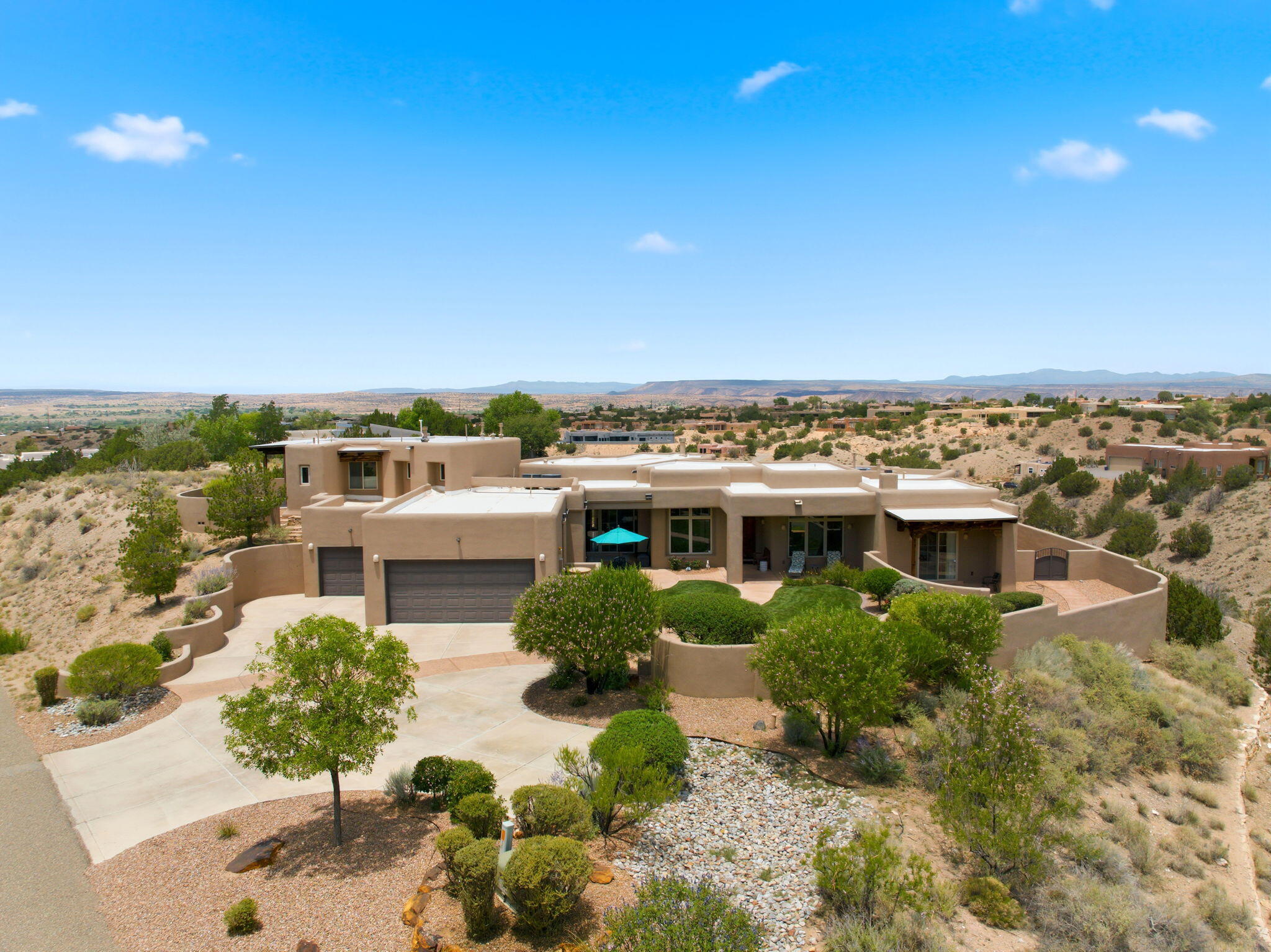
41 SANTA ANA LOOP, PLACITAS, NM

Breathtaking views of the Sandia Mountains & city lights from this beautiful custom home in Placitas, situated on approximately 1.4 acres. Boasting Southwestern character throughout with Saltillo tile flooring, beam & vigas ceilings, & 2 Kiva fireplaces. Expansive windows & skylights fill home with abundant natural light. The cook's kitchen offers style & functionality, with new LG gas range & dishwasher. Primary suite offers a peaceful retreat with a cozy kiva fireplace, direct patio access, spacious walk-in closet, & ensuite bath featuring a relaxing jetted tub & custom tiled shower. Outdoor living is equally impressive, with covered patios designed for enjoying the tranquil surroundings & natural beauty. Property backs to BLM land providing a scenic backdrop & a sense of spaciousness.

GET YOUR MORNING INSPIRATION WITH THE SANDI PRESSLEY TEAM

If you're moving to Albuquerque with kids, or even if you've lived here for years and are simply looking for a better place to raise your family, there's a good chance you've asked the same question almost every buyer asks at some point:

"Where should we live?"

It's a simple question, but the answer is rarely simple.

Over the years, the Sandi Pressley Team has helped families relocate from all over the country, and one thing we've learned is that the "best" neighborhood isn't always the one with the biggest homes, the newest construction, or the highest price tags. The best neighborhood is the one that fits the way your family actually lives.

Some families want their kids close to great schools and after-school activities. Others care more about having parks nearby, safe streets for bike rides, or easy access to hiking trails and outdoor recreation. Some buyers are focused on finding newer homes with open floor plans, while others are looking for established neighborhoods with mature trees and a strong sense of community.

What makes Albuquerque unique is that you can find all of those things here. The city isn't built around one ideal neighborhood. Instead, it offers several distinct areas, each with its own personality, lifestyle, and advantages for families.

When people relocate from California, Texas, Colorado, Arizona, or other higher-cost markets, they're often surprised by how many options they have. A family can choose a foothills community with mountain views, a suburban neighborhood with newer homes, a master-planned community filled with parks, or even a mountain town atmosphere just outside the city. The challenge isn't finding a good place to live. The challenge is figuring out which one feels most like home.

One of the first things many buyers notice when they start exploring Albuquerque is how different the Northeast Heights feels compared to the West Side. Families who are drawn to established neighborhoods, mature landscaping, and proximity to the Sandia Mountains often find themselves spending a lot of time in areas near La Cueva, Tanoan, and High Desert. There's a certain lifestyle here that appeals to active families. On any given weekend you'll see parents pushing strollers on neighborhood trails, kids heading to soccer games, and families taking advantage of the outdoor recreation that makes Albuquerque such a unique place to live.

High Desert, in particular, continues to attract families who love being close to nature without giving up city conveniences. The neighborhood was designed around open space, walking trails, and mountain views, and many homeowners say that's exactly what drew them there in the first place. It doesn't feel crowded, and there's a sense that the landscape is part of everyday life. For families who enjoy hiking, biking, and spending time outdoors, that's hard to replicate elsewhere in the city.

Not every family wants that environment, though.

Some buyers prefer larger lots, more privacy, and room to spread out. That's often when North Albuquerque Acres enters the conversation. It's one of those areas that people either immediately fall in love with or realize it isn't what they're looking for. Homes tend to sit on larger parcels, and many properties offer space that can be difficult to find elsewhere in Albuquerque. For families with recreational vehicles, horses, workshops, or simply a desire for more elbow room, North Albuquerque Acres remains one of the most desirable places in the metro area.

The interesting thing is that many buyers begin their search believing they know exactly where they want to live. Then they start touring neighborhoods and everything changes.

We recently worked with a family relocating from Dallas who were convinced they wanted the newest home possible. Their online search was filled with new construction communities and recently built properties. After spending a few days exploring Albuquerque, however, they realized what they really wanted wasn't a newer house. They wanted a neighborhood where their kids could walk to parks, make friends nearby, and spend less time in the car. By the end of their visit, they purchased a home in an established Northeast Heights neighborhood that wasn't even on their original list.

That happens more often than people think.

A house is important, but the neighborhood is what shapes daily life.

One area that deserves its own conversation is Rio Rancho. Technically, it's not Albuquerque, but if you've spent any time researching homes in the metro area, you've probably noticed that Rio Rancho comes up constantly. There's a reason for that. Many families begin their search focused exclusively on Albuquerque and eventually discover that Rio Rancho offers exactly what they're looking for. Newer neighborhoods, larger homes, expanding amenities, community parks, and a strong family presence have made it one of the fastest-growing areas in New Mexico. For some buyers, the tradeoff of a slightly different commute is well worth the additional space and housing options available there.

What's interesting about family buyers is that they often focus heavily on schools before they focus on lifestyle. Schools are certainly important, but after helping families move throughout the Albuquerque area for years, we've found that many buyers eventually realize they spend far more time living in their neighborhood than they do researching it. The daily experience matters. Things like where you walk the dog, where your children ride their bikes, how far it takes to get groceries, whether there are parks nearby, and whether you enjoy driving home every evening often have a bigger impact on happiness than people expect.

That's why the foothills communities continue attracting so much interest. There is something special about waking up each morning with the Sandia Mountains outside your window. Families who move into areas like High Desert often tell us they feel more connected to the outdoors than they ever did before. Weekend hikes become routine. Evening walks become part of family life. The mountains stop being something you occasionally visit and become part of your everyday environment.

At the same time, not every family wants that type of setting. Some prefer established neighborhoods with mature trees, larger shade canopies, and a stronger sense of history. That's one reason areas surrounding Tanoan continue to perform well year after year. These communities have been desirable for a long time, and that stability appeals to many buyers. When you're making one of the biggest purchases of your life, there's comfort in knowing a neighborhood has maintained its appeal across multiple market cycles.

Families relocating from out of state are often surprised by how different Albuquerque feels from other Southwestern cities. While the city has grown substantially over the years, it still maintains a sense of accessibility that can be difficult to find elsewhere. You don't necessarily have to spend an hour in traffic to get across town. You can often be hiking in the mountains in the morning and attending a soccer game in the afternoon without spending your entire day in the car. For many families, that quality of life becomes one of the biggest selling points.

Another factor buyers should consider in 2026 is long-term value. While nobody can predict future appreciation with certainty, neighborhoods that continue attracting families tend to maintain stronger demand over time. Areas with access to parks, recreational opportunities, employment centers, shopping, and desirable community amenities often remain attractive regardless of broader market conditions. That's one reason so many family-focused buyers continue gravitating toward established areas in the Northeast Heights, growing communities on the West Side, and expanding neighborhoods throughout Rio Rancho.

A conversation we frequently have with buyers revolves around whether they should prioritize the house or the neighborhood. It's understandable. Sometimes you find a home that checks every box. The kitchen is perfect. The layout works. The backyard is beautiful. Then you realize it's located in a neighborhood that doesn't really fit your family's lifestyle. Other times, a home may need a few updates, but it's located in a community where you can immediately picture your children growing up.

Most families who are happiest several years after their purchase chose the neighborhood first and the house second.

We recently worked with a family relocating from Colorado who originally focused almost entirely on home features. They had a detailed list of must-haves that included a three-car garage, a home office, a large kitchen, and specific square footage requirements. As we toured different areas, the conversation slowly shifted. They became less focused on countertops and more interested in nearby parks, walking trails, youth sports programs, and community activities. Eventually they selected a home that wasn't the largest property they viewed, but it was located in a neighborhood where they immediately felt connected. Months later, they told us they couldn't imagine living anywhere else.

Those experiences reinforce something we see repeatedly. Families don't just buy houses. They buy lifestyles.

For some buyers, that lifestyle includes mountain views and trail access. For others, it means newer subdivisions and community parks. Some families prefer larger lots and privacy. Others want to be close to restaurants, shopping, and schools. The right answer depends entirely on your goals.

That's why it's difficult to name a single "best" family-friendly neighborhood in Albuquerque.

If your priority is outdoor recreation and proximity to the foothills, High Desert may feel like the perfect fit. If you value space and privacy, North Albuquerque Acres may rise to the top of your list. If you prefer established communities with a long track record of popularity, areas surrounding Tanoan continue to stand out. If maximizing square footage is important, neighborhoods throughout Ventana Ranch, Paradise Hills, and Rio Rancho may deserve a closer look.

The good news is that Albuquerque gives families choices.

You don't have to settle for one type of community. The metro area offers a variety of lifestyles, housing styles, and price points. Whether you're a first-time home buyer, a growing family looking for more space, or a relocating buyer trying to narrow down your options, there is almost certainly a neighborhood that fits what you're looking for.

The challenge isn't finding good neighborhoods. Albuquerque has plenty of them. The challenge is identifying which neighborhood fits your family's version of a great life.

That's where local knowledge makes a difference.

Online rankings, neighborhood reviews, and national websites can provide a starting point, but they rarely tell the whole story. They can't explain how a neighborhood feels on a Saturday morning. They can't tell you where local families gather, which parks stay busy, or what daily life is actually like after you move in. Those are the details that often matter most.

The Sandi Pressley Team has helped buyers navigate Albuquerque, Rio Rancho, and the surrounding communities through every type of market. We understand that choosing a neighborhood isn't simply a real estate decision. It's a family decision. It's about finding a place where you can build routines, create memories, and feel at home long after closing day.

If you're considering a move to Albuquerque and wondering which neighborhoods deserve a closer look, we'd love to help you compare your options. Every family's priorities are different, and the best neighborhood for your family may not be the one you initially expected. Sometimes all it takes is a conversation and a few neighborhood tours to discover where you truly belong.

Sandi Pressley Team is a real estate team in Albuquerque, New Mexico helping home buyers, sellers, and relocating families find the right home and the right community throughout Albuquerque, Rio Rancho, and the surrounding areas. If you're planning a move in 2026, we're here to help you make a confident decision about where to put down roots.

HOT PROPERTY OF THE WEEK


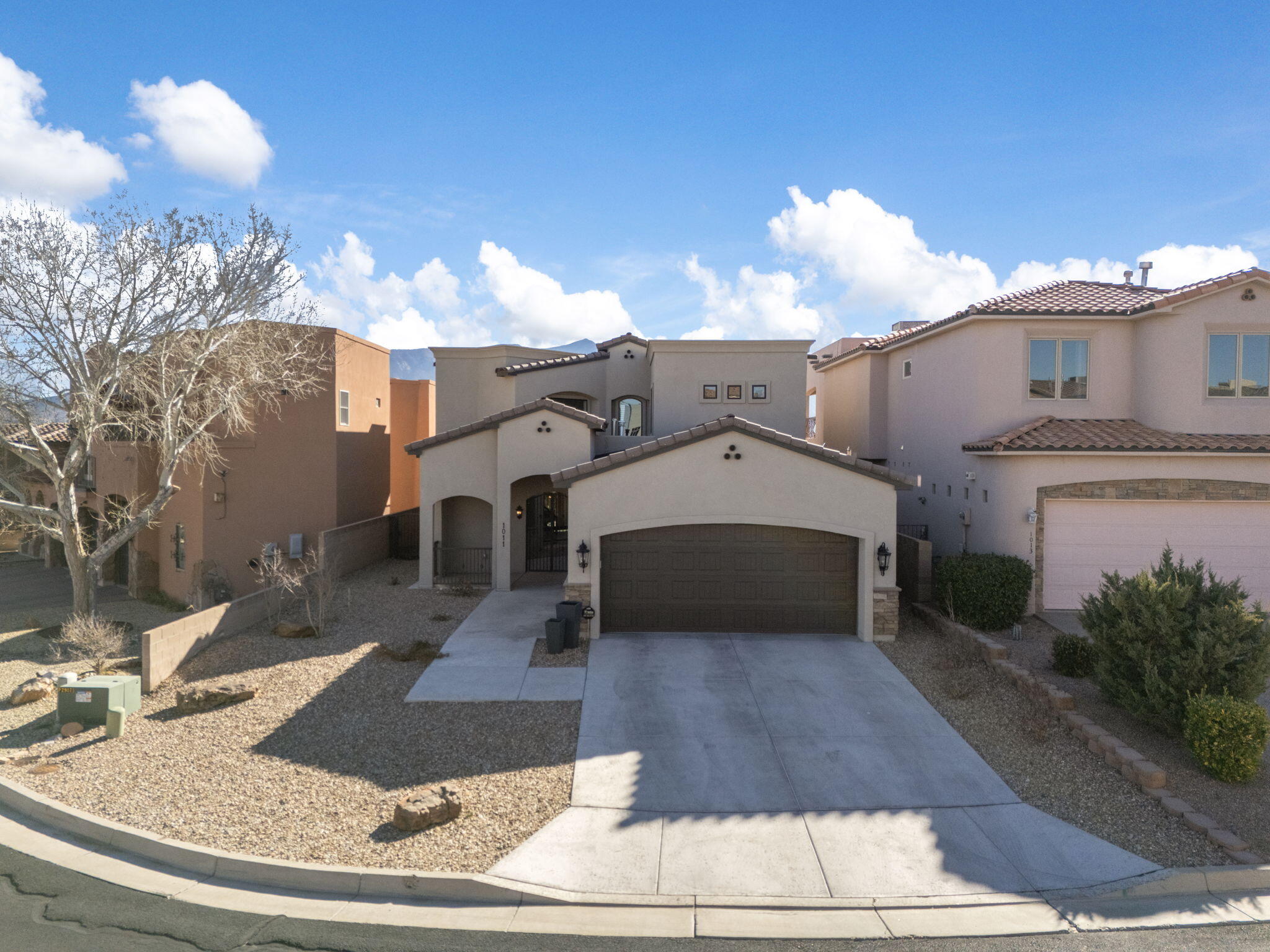
12113 GENOA STREET NE, ALBUQUERQUE, NM 

Nostalgic charm and character in this well maintained 3/4BDR, 2BDR, 2CG in the heart of the Far NE Heights! Two large living areas, sunny kitchen with picture window, bkfst bar, gas stove and large breakfast nook wtih patio access. Spacious family room with lots of natural light features a wood stove and built in bookshelves. Inside utility room. Primary bdr has its own bath. Potential 4th bdr/office has pocket door for privacy. Beautiful park-like backyard with trees, shrubs, turf, large covered patio for summer bbqs and gatherings, storage shed. Covered porch with gorgeous rose bushes and shade tree. Close to foothills trails, parks, schools & shopping!

GET YOUR MORNING INSPIRATION WITH THE SANDI PRESSLEY TEAM

If you’re considering buying a home in Albuquerque, you might be surprised by how much the process has changed since 2019. The market has shifted, but buyers are still using some aggressive tactics that would have been rare or even unheard of just five years ago. Whether you’re a first-time buyer or thinking about moving up, understanding these changes can help you get ahead.

In this post, we’ll break down the most surprising new trend in Albuquerque buyer behavior, backed by local data. We’ll also give you practical tips for navigating today’s market with confidence.

The Short Answer

The biggest change in Albuquerque real estate? Buyers are waiving or softening contingencies and making faster, more flexible offers than ever before. Even with the market cooling from its pandemic peak, these strategies have become common among those who want to stand out - something that would have been almost unheard of five years ago.

This shift is all about urgency and flexibility. With median home prices around $360,000 and rents still high at about $1,495 per month, buyers know that the best homes can attract several offers and move quickly. As a result, they’re coming in with stronger pre-approvals, making fewer repair demands, and sometimes reducing inspection periods to win the home they want.


Why Are Albuquerque Buyers Waiving Contingencies Now?

• The market has cooled from the extreme seller’s market of 2021-2023, but competition remains for well-priced homes

• Albuquerque homes now spend about 53 to 67 days on the market, up from the frenzy days, but still fast enough to keep buyers on their toes

• Inventory has improved, with approximately 2,279 active listings, giving buyers some choice but not total control

• Median sale prices are stable at $350,000 to $365,000, so buyers are motivated to act when they find a good deal

• On average, homes receive about 2 offers, showing that competition is still present, especially in popular neighborhoods


What Does “Waiving Contingencies” Actually Mean in Albuquerque?

• Buyers are reducing or eliminating some traditional protections, like inspection or appraisal contingencies, to make their offers more attractive

• Common strategies now include:

• Getting fully pre-approved before shopping, not just pre-qualified

• Making fast offers when a desirable home appears

• Limiting repair requests or shortening inspection timelines

• In Albuquerque, where many homes are older, buyers still need to be cautious about skipping inspections, especially for major systems like roof, HVAC, and plumbing

• New Mexico’s disclosure laws mean buyers should pay attention to property condition and permitting history before waiving protections


How Does This Compare to 5 Years Ago?

• Before the pandemic, Albuquerque buyers had more time and leverage - waiving contingencies was rare unless the home was highly sought after

• The market was less competitive, with more inventory and slower-moving homes

• Today’s median price per square foot is about $210 to $214, and Zillow projects a 1.2% annual value increase through January 2026

• Rental demand remains strong, pushing some renters to buy quickly when they find a home that fits their needs and budget


Frequently Asked Questions


Is it safe to waive contingencies when buying in Albuquerque?

It can be risky, especially with older homes. Always consult your agent and consider the property’s age and condition before waiving inspection or other key protections.


Are buyers still competing with multiple offers in Albuquerque?

Yes, on average homes receive about 2 offers, especially if they are well priced or in desirable neighborhoods.


How long do homes stay on the market in Albuquerque right now?

Homes are listed for about 53 to 67 days on average, depending on the data source.


What’s driving buyers to make faster, more flexible offers?

Stable home prices, low inventory, and high rent (around $1,495 per month) make buyers eager to secure a good deal before someone else does.


The Albuquerque real estate market may not be as wild as it was during the peak pandemic years, but buyers are still using new, aggressive tactics that were nearly unheard of five years ago. If you’re planning to buy, be prepared to move quickly, get fully pre-approved, and consider your risk tolerance when it comes to contingencies. Want expert help navigating Albuquerque’s unique market? Reach out to the Sandi Pressley Team for up-to-date strategies and personalized advice. If you’re thinking about buying a home in Albuquerque right now, you’ve probably noticed something. People move fast. Really fast.

A few years ago, buyers could take a weekend to think about a home, schedule a second showing, negotiate repairs, and still have a decent shot at getting the property. That’s not how things work anymore in many parts of Albuquerque.

Today, one of the biggest shifts in buyer behavior is this: people are waiving or softening contingencies just to compete.

Five years ago, most buyers would have considered that risky. In 2026, it’s become surprisingly common, especially for buyers who are serious about landing a home in neighborhoods like North Valley, Nob Hill, Rio Rancho, Ventana Ranch, and parts of the Northeast Heights.

The Sandi Pressley Team has worked with buyers across the Albuquerque area through multiple market cycles, and one thing has become very clear. Even though the market has cooled from the frenzy of 2021 and 2022, buyers are still acting with a level of urgency that would have shocked people before the pandemic.

That doesn’t mean you should panic-buy a house. It does mean you need to understand how the game has changed if you want to compete without making expensive mistakes.

What Buyers Are Doing Today That Felt Crazy in 2019

Back in 2019, the typical Albuquerque buyer had leverage.

There were more homes available. Interest rates were lower. Buyers could negotiate harder. Inspection objections were common. Appraisal contingencies were expected. Asking for seller credits wasn’t unusual.

Now? Buyers often know they need to make their offer cleaner and easier for the seller to accept.

That doesn’t always mean waiving every protection completely. In fact, most smart buyers shouldn’t do that. What it usually means is softening contingencies enough to stand out without putting themselves in a dangerous position financially.

A lot of buyers are shortening inspection periods from ten days down to five. Some are agreeing not to ask for cosmetic repairs. Others are offering appraisal gap coverage if the property comes in slightly under value.

And nearly everyone serious about buying is getting fully underwritten or fully pre-approved before they even start touring homes.

Five years ago, many buyers would casually browse homes online first and then call a lender later. That approach can cost you a house today.

The Albuquerque market may not feel “wild” compared to Phoenix, Austin, or Denver, but good homes still move quickly here. Especially homes that are updated, correctly priced, and located near popular schools, commuter routes, or walkable neighborhoods.

Why Albuquerque Buyers Started Acting This Way

A lot of this behavior started during the pandemic housing boom.

Between historically low interest rates, migration into the Southwest, remote work flexibility, and limited inventory, buyers had to become more aggressive just to compete.

Albuquerque wasn’t immune to that pressure.

At one point, buyers were dealing with multiple offers on almost everything decent that hit the market. Homes sold in days. Some sold in hours.

That intensity has eased, but the habits buyers developed during those years never fully disappeared.

Today, Albuquerque homes spend somewhere between roughly 53 and 67 days on market depending on the price point and source of the data. That’s slower than the peak frenzy years, but it still creates pressure for buyers because the best homes rarely sit long.

Inventory has improved too. Albuquerque now has around 2,279 active listings depending on the reporting period. That gives buyers more options than they had in 2021, but not enough to create a true buyer’s market.

And then there’s affordability.

Median home prices in Albuquerque continue hovering around the mid-$300,000 range, often between $350,000 and $365,000. Meanwhile, average rents remain around $1,495 per month and continue putting pressure on people who want stability and long-term ownership.

A lot of buyers are looking at those numbers and thinking the same thing:

“If I find the right house, I don’t want to lose it.”

That mindset changes how people write offers.

What Does “Waiving Contingencies” Actually Mean?

This part matters because there’s a lot of confusion around the phrase.

When people hear “waiving contingencies,” they sometimes picture buyers throwing caution out the window and blindly buying homes with no protections.

That does happen occasionally, but it’s not usually what experienced Albuquerque agents recommend.

More often, buyers are strategically adjusting terms to strengthen their offer while still protecting themselves where it counts.

For example, a buyer might shorten the inspection timeline instead of removing inspections completely.

Another buyer might agree not to request repairs unless an issue exceeds a certain dollar amount.

Some buyers are willing to cover a small appraisal gap if the home appraises slightly low.

Others increase earnest money deposits to show sellers they’re serious.

The Sandi Pressley Team regularly helps buyers understand where flexibility makes sense and where it doesn’t. That distinction is important because Albuquerque has a unique housing stock compared to many newer cities.

A lot of homes here are older. Adobe homes, mid-century properties, custom homes in the foothills, and older ranch-style properties can all come with issues buyers need to understand before removing protections.

Skipping inspections entirely on an older Albuquerque property can be dangerous.

Roof condition matters here because of sun exposure and monsoon weather patterns. HVAC systems work hard in New Mexico’s climate. Plumbing, sewer lines, electrical panels, and permitting history can all become major expenses if buyers move too quickly without proper due diligence.

This is where local expertise matters.

The Albuquerque Market Is Different From Other Cities

One mistake buyers make is assuming advice they hear nationally applies directly to Albuquerque.

It doesn’t always.

Albuquerque has its own market personality.

Neighborhoods vary dramatically. A home in Tanoan behaves differently than a home in Barelas. A property near UNM attracts different buyers than a home in the Westside suburbs.

Some areas still see strong competition because inventory remains tight for updated homes in desirable price ranges. Other areas may give buyers more negotiating room.

That’s why local guidance matters so much.

The Sandi Pressley Team works with buyers throughout Albuquerque and understands how micro-markets behave differently. That local insight can help buyers avoid overreacting to headlines that don’t fully reflect what’s happening street by street.

For example, a national article may say the market is cooling. Technically, that may be true. But a fully renovated Northeast Heights home priced correctly can still receive multiple offers quickly.

At the same time, overpriced homes or homes needing substantial work may sit much longer.

Buyers need nuance right now, not fear.

Client Story: The Couple Who Almost Waited Too Long

Earlier this year, a young couple relocating from Arizona started searching in Albuquerque because they wanted more affordability and a slower pace of life.

At first, they approached the process the way buyers often did years ago. They toured homes casually. They wanted time to “sleep on it.” They assumed homes would still be there a few days later.

Twice, they lost properties they liked.

Not because they offered too little, but because another buyer submitted a cleaner, faster offer with fewer repair demands.

By the third house, they changed strategy.

They got fully pre-approved instead of just pre-qualified. They reviewed disclosures carefully before touring. They shortened their inspection timeline but kept the inspection contingency itself. They made a strong initial offer instead of planning to negotiate later.

That home went under contract the same weekend.

The interesting part is this: they didn’t become reckless buyers. They became prepared buyers.

There’s a big difference.

Buyers Today Are More Financially Prepared

One positive shift in the market is that many buyers are entering the process more organized than they used to.

Because competition increased over the last several years, buyers learned they needed stronger financing from day one.

In Albuquerque today, serious buyers often have:

  • Full lender pre-approval
  • Verified income and assets upfront
  • Strong understanding of monthly payment comfort
  • Faster decision-making ability
  • Clear expectations about repairs and negotiations

That preparation helps buyers compete without making emotional decisions under pressure.

And honestly, sellers notice.

When sellers review multiple offers, they usually look for certainty. They want confidence the deal will close smoothly.

A buyer who already has financing dialed in often feels safer to a seller than someone still figuring things out.

Why Inspection Strategy Matters More in Albuquerque

If there’s one contingency buyers should think carefully about here, it’s inspections.

New Mexico homes can be incredibly unique. That’s part of what makes Albuquerque appealing.

You’ll find adobe construction, pueblo-style homes, mountain-view properties, custom builds, and older homes with tons of character.

But character can come with maintenance.

Buyers sometimes get caught up in the excitement of winning a home and forget they’re still buying a major financial asset.

A fast offer should never mean an uninformed offer.

The Sandi Pressley Team often encourages buyers to focus less on cosmetic repair negotiations and more on major systems.

A cracked tile? Probably manageable.

A failing roof or aging HVAC system? Different conversation.

Understanding the difference helps buyers stay competitive without exposing themselves to unnecessary risk.

How Interest Rates Changed Buyer Psychology

Interest rates also changed the emotional side of buying.

When rates were extremely low, buyers worried about losing homes because inventory was tight.

Now buyers worry about affordability changing if rates move again.

Even small changes in rates can affect monthly payments substantially.

That’s one reason buyers still move quickly when they find the right property.

A lot of Albuquerque buyers today are trying to balance two competing thoughts at the same time:

“I don’t want to overpay.”

“But I also don’t want to miss the right house.”

That tension is driving many of the faster decision-making behaviors we’re seeing today.

Are Multiple Offers Still Happening in Albuquerque?

Yes. Just not on every property.

On average, many Albuquerque homes still receive around two offers, especially if they’re priced correctly and located in popular areas.

Homes near good schools, commuter routes, outdoor recreation, or updated shopping areas tend to attract more attention.

Buyers relocating from higher-cost states also continue influencing certain price points because Albuquerque still feels relatively affordable compared to many Western cities.

That said, buyers do have more negotiating opportunities today than they did during the peak frenzy years.

This isn’t 2021 anymore.

Inspection negotiations happen again. Price reductions exist again. Buyers sometimes receive seller concessions again.

But strong homes still create urgency.

That’s the balance buyers need to understand.

Common Mistakes Albuquerque Buyers Make Right Now

One of the biggest mistakes buyers make is assuming they have unlimited time once they find a good property.

Another is going too far in the opposite direction and removing every protection just to compete.

Neither approach usually works well.

The best buyers today are strategic.

They prepare early. They understand market conditions. They know their financial limits. And they work with professionals who understand Albuquerque specifically.

Another common issue is relying too heavily on national real estate content online.

The Albuquerque market behaves differently than many major metro areas. Advice that works in Miami or Seattle may not fit New Mexico at all.

Hyper-local knowledge matters here.

So What Should Albuquerque Buyers Actually Do?

Start by getting fully pre-approved before touring homes seriously.

Not pre-qualified. Fully pre-approved.

Then spend time understanding neighborhoods, commute patterns, school districts, and price trends before you fall in love with a house emotionally.

Once you find the right property, be prepared to move decisively. That doesn’t mean rushing blindly. It means being ready.

Review disclosures carefully. Understand inspection risks. Know your comfort level with repairs and contingencies before writing the offer.

And most important, work with a local team that understands how Albuquerque buyers and sellers are behaving right now.

The Sandi Pressley Team helps Albuquerque homebuyers navigate these changing market conditions every day. Their experience across Albuquerque neighborhoods gives buyers practical insight into when to compete aggressively and when to slow down and negotiate more carefully.

That balance matters more than ever.

Is the Market Still Competitive? Yes. Just Smarter.

Five years ago, many Albuquerque buyers expected the market to slow down for them whenever they wanted.

Today, buyers understand preparation wins.

The market may feel calmer than the peak pandemic years, but buyer behavior changed permanently in some ways.

Faster offers. Stronger financing. Flexible negotiations. Smarter strategy.

Those things are now normal.

And honestly, buyers who understand that shift early usually have a much better experience than buyers who enter the market expecting 2019 rules to still apply.

Frequently Asked Questions

Is it safe to waive contingencies when buying a home in Albuquerque?

It depends on the property and your risk tolerance. In Albuquerque, many homes are older and can have issues involving roofs, HVAC systems, plumbing, or electrical work. Most buyers should think carefully before removing inspection protections entirely. A local real estate professional can help you decide which contingencies are reasonable to adjust and which ones deserve caution.

Are buyers still competing with multiple offers in Albuquerque?

Yes. Many well-priced homes still receive around two offers on average, especially in desirable neighborhoods or updated price ranges. Competition is lower than during the peak pandemic years, but it hasn’t disappeared.

How long are homes staying on the market in Albuquerque right now?

Depending on the source and price range, homes are averaging roughly 53 to 67 days on market. However, highly desirable homes often move much faster than the citywide average.

Why are buyers making faster offers now?

A combination of stable home prices, limited inventory in key neighborhoods, and rising rental costs keeps buyers motivated. Many buyers know that waiting too long can mean losing a home they really want.

What’s the difference between pre-qualification and pre-approval?

Pre-qualification is usually a quick estimate based on self-reported information. Pre-approval involves deeper financial review by a lender. Sellers take fully pre-approved buyers much more seriously because financing is already more thoroughly verified.

Final Thoughts

Buying a home in Albuquerque today looks very different than it did five years ago.

The biggest shift isn’t just pricing or inventory. It’s buyer behavior.

People are acting faster. Offers are cleaner. Flexibility matters more. And preparation has become one of the biggest competitive advantages a buyer can have.

That doesn’t mean you need to make reckless decisions to buy a home here. It does mean you need the right strategy for today’s market instead of relying on outdated expectations.

The Sandi Pressley Team helps Albuquerque homebuyers understand what’s happening locally so they can make smart decisions with confidence. Whether you’re buying your first home, relocating to Albuquerque, or moving into a different stage of life, having experienced local guidance can make the process feel much more manageable.

If you’re thinking about buying in Albuquerque and want a realistic conversation about the current market, reach out to the Sandi Pressley Team to talk through your goals, timeline, and what strategies make the most sense for you right now.

HOT PROPERTY OF THE WEEK


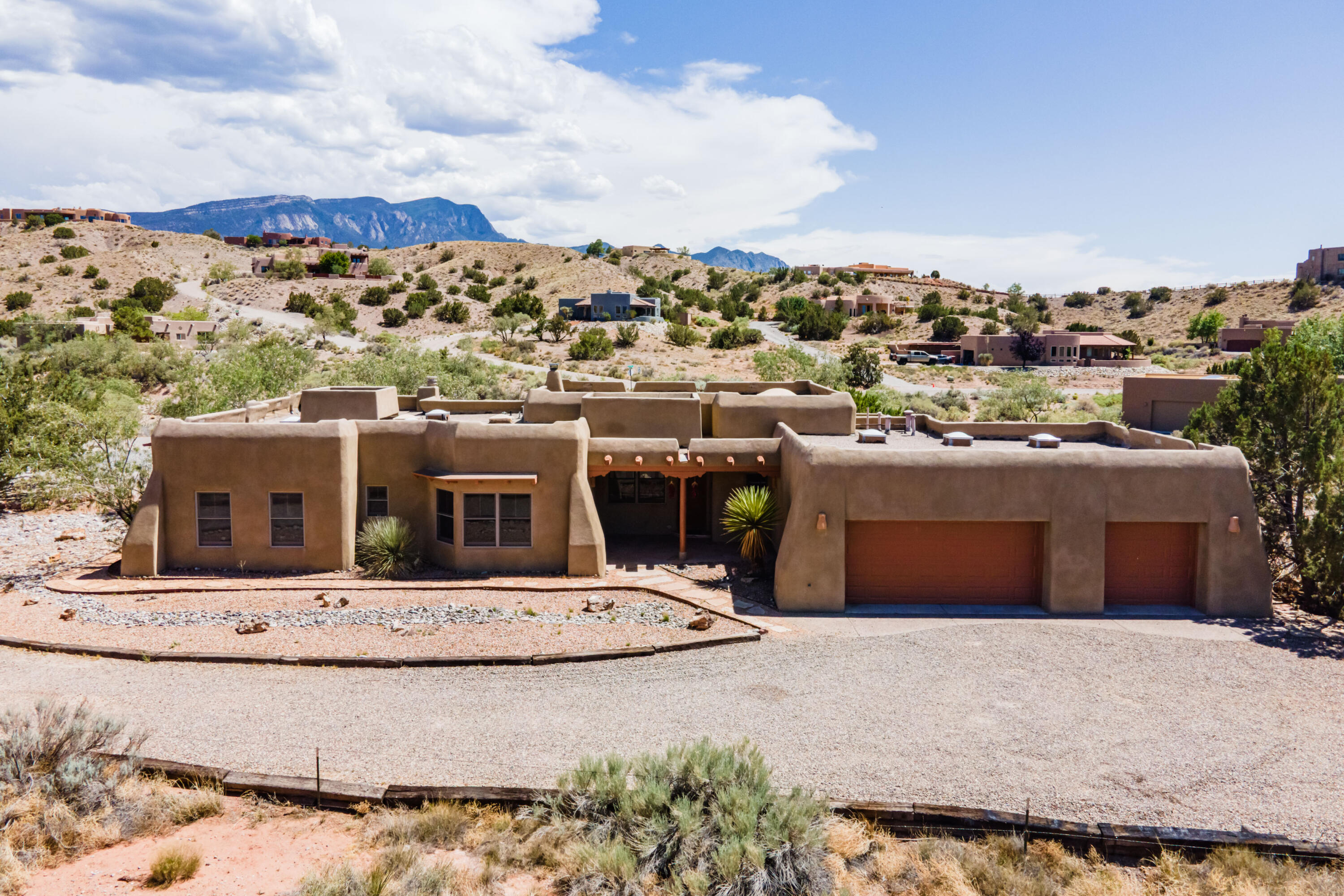
18 TIERRA MONTE STREET NE, ALBUQUERQUE, NM

Breathtaking mountain & city views distinguish this exceptional foothills estate. A rare offering, this exquisitely updated custom residence captures panoramic views from expansive windows, private balconies, & multiple outdoor living spaces. Nearly $400,000 in custom upgrades includes a 2023 designer chef's kitchen with premium appliances, custom floor-to-ceiling cabinetry, & striking quartzite surfaces. The thoughtfully designed floor plan features 4 bedrooms plus a private office overlooking the city, 3.5 baths, an elegant great room with fireplace, formal & informal dining, a theater room with tiered seating, heated workshop, and a versatile main-level secondary primary suite. Quietly situated in a premier foothills enclave, yet just minutes to I-25, Downtown, hospitals, & Sandia Labs.


GET YOUR MORNING INSPIRATION WITH THE SANDI PRESSLEY TEAM
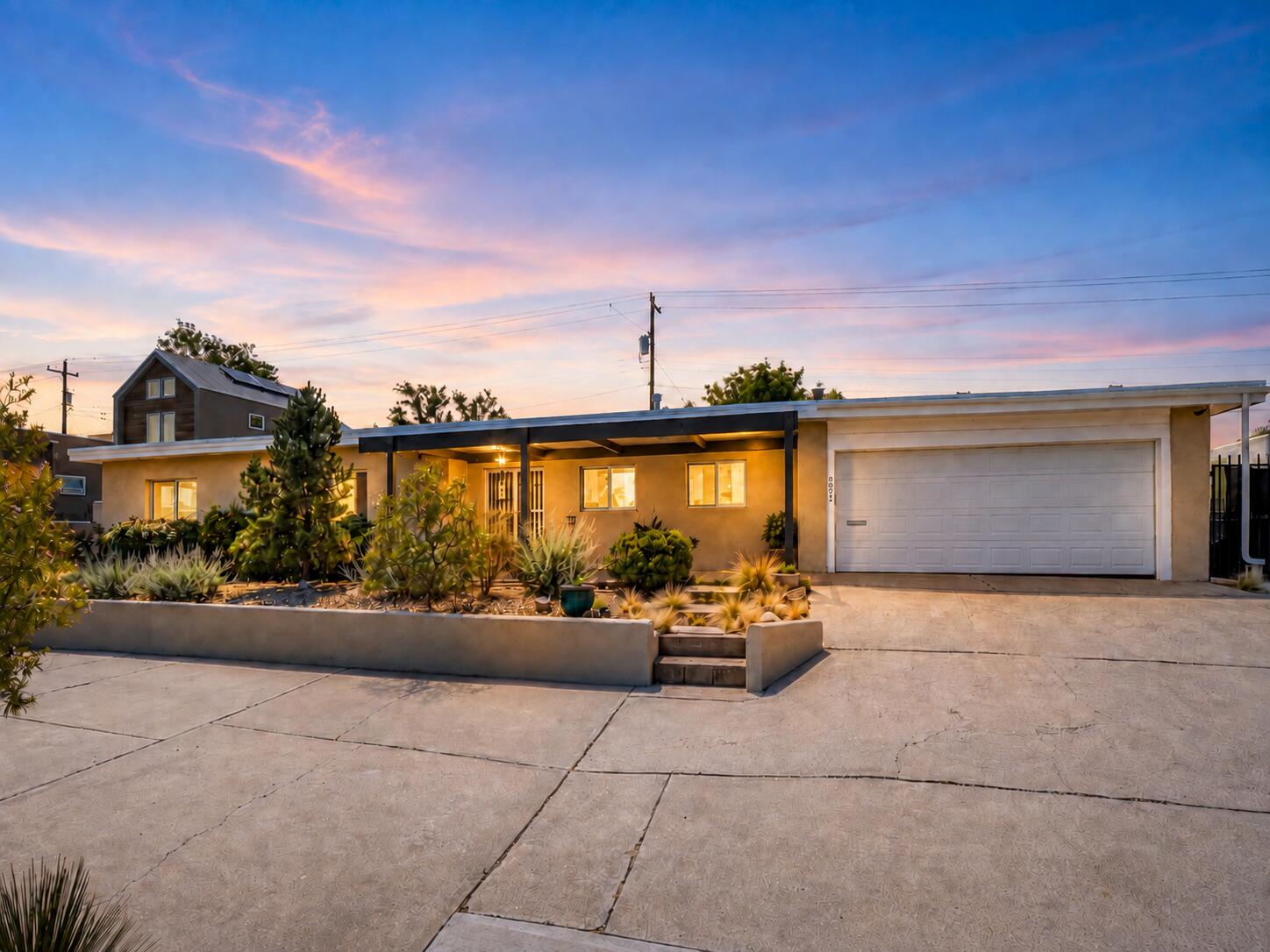
If you own a home in Albuquerque, you already know the climate here is different. The sun feels stronger. The air is drier. Wind and dust seem to settle on everything. Then monsoon season rolls in and suddenly homeowners start noticing cracks, staining, drainage problems, or areas of stucco that didn’t look quite right before. Homes in New Mexico deal with a unique combination of weather conditions that slowly wear down exterior surfaces over time, especially stucco, paint, trim, and roofing materials.

A lot of homeowners assume stucco is basically maintenance-free because it’s durable and commonly used throughout Albuquerque. And it’s true that stucco performs very well in desert climates compared to many other exterior finishes. But durable doesn’t mean maintenance-free. Small issues that seem cosmetic at first can slowly become larger repairs if they’re ignored for too long. That’s one reason the Sandi Pressley Team spends so much time helping homeowners understand how exterior condition affects both long-term home value and resale potential in the Albuquerque market.

One thing buyers notice immediately in Albuquerque is exterior condition. Before they look at flooring, kitchens, or bathrooms, they’re already forming an opinion based on the outside of the home. Cracked stucco, faded paint, worn trim, or neglected landscaping can make buyers wonder whether other maintenance items inside the home have also been overlooked. On the other hand, homes that feel clean, maintained, and cared for tend to create confidence right away. That matters whether you’re planning to sell next month or stay in the home for another ten years.

The climate in Albuquerque is hard on homes in ways many people don’t fully realize until they’ve lived here for a while. The elevation means stronger UV exposure, which causes paint and sealants to break down faster than they would in many other parts of the country. Daily temperature swings also create expansion and contraction in building materials. Over time, that movement naturally creates stress on stucco surfaces. Then monsoon moisture enters the picture during summer months, exposing weak spots homeowners may not have noticed during the dry season. Even though Albuquerque is considered a dry climate overall, moisture intrusion still becomes a serious issue when drainage or exterior maintenance is neglected.

Stucco remains one of the best exterior finishes for Albuquerque homes because it handles heat well, works naturally with Southwestern architecture, and generally performs better than traditional siding in desert environments. You’ll see stucco homes throughout the Northeast Heights, North Valley, Tanoan, High Desert, Corrales, and Rio Rancho because the material makes sense for this climate. But even good stucco systems require periodic inspection and upkeep. Hairline cracks are normal in Albuquerque homes and usually aren’t a major concern by themselves. The issue is when cracks become larger, allow moisture penetration, or continue spreading over time.

One of the most common mistakes homeowners make is waiting too long to address small exterior issues. It’s easy to ignore a crack when it seems minor. It’s easy to postpone repainting because the home still “looks fine.” But Albuquerque weather tends to magnify deferred maintenance over time. A small crack that could have been repaired easily may eventually allow moisture behind the stucco during monsoon season. Faded exterior coatings may stop protecting surfaces properly after years of sun exposure. Caulking around windows and doors dries out faster here because of the climate, which can eventually lead to air leaks or water intrusion if it isn’t replaced periodically.

The homeowners who usually avoid major exterior repair bills are the ones who stay proactive. They pay attention to small changes. They inspect the exterior seasonally. They handle maintenance gradually instead of waiting until multiple problems pile up at once. In Albuquerque, consistency matters more than perfection when it comes to home maintenance.

One of the best times to inspect your home exterior is during the spring before monsoon season arrives. This is when many homeowners notice winter wear, drainage concerns, roof runoff issues, or cracks that may have developed during colder months. Walking around the house slowly and really looking at the stucco, trim, roof edges, and landscaping can reveal issues early before summer storms arrive. Then after monsoon season, it’s smart to inspect everything again to see whether heavy rain exposed any new weak spots.

Monsoon season is often when homeowners first realize there’s an exterior problem. During Albuquerque’s dry months, small vulnerabilities may not seem noticeable. But when heavy summer storms hit, weak drainage areas and aging stucco systems suddenly become much more obvious. Water stains may appear below rooflines. Cracks may expand. Pooling water near foundations may become visible. Irrigation overspray combined with humidity can also begin damaging lower stucco sections without homeowners realizing it immediately.

The Sandi Pressley Team recently worked with homeowners in the Northeast Heights who were preparing to list their property after living there for more than a decade. The home itself was beautiful inside. The owners had updated flooring, remodeled the kitchen, and maintained the interior extremely well. But over the years, the exterior had gradually become weathered. Several stucco cracks had formed near windows, the paint had faded on the south-facing side of the home, and staining had developed near a roof drainage area after repeated monsoon seasons.

None of the issues were catastrophic. But buyers noticed them immediately during showings because exterior condition creates the first impression. Instead of doing a complete renovation, the homeowners focused on targeted improvements that made the property feel refreshed and well-maintained again. They repaired cracks, corrected drainage flow, repainted weathered sections, refreshed landscaping, and updated several exterior fixtures. The transformation completely changed how buyers perceived the home. It looked cleaner, newer, and far more cared for without requiring an expensive remodel.

That’s something many Albuquerque homeowners underestimate. Exterior maintenance often provides one of the strongest returns when preparing a property for sale because buyers emotionally respond to curb appeal first. If the outside of the home feels neglected, buyers immediately become more cautious. If the exterior feels maintained and inviting, buyers tend to walk into the showing already feeling more confident about the property overall.

Sun exposure is another major factor homeowners in Albuquerque deal with constantly. The UV intensity here is no joke. South- and west-facing walls usually fade faster because they receive the strongest afternoon sunlight. Over time, paint becomes chalky, wood trim dries out, and sealants become brittle. Even garage doors and front doors can start looking older much sooner if they receive constant direct sun exposure. Higher-quality exterior coatings and proper maintenance schedules make a huge difference in how long surfaces hold up in this climate.

Landscaping also plays a bigger role in stucco maintenance than many homeowners realize. Irrigation systems that spray directly against stucco walls can slowly create staining and moisture problems near the base of the home. Bushes and plants placed too close to exterior walls trap moisture and debris against the stucco surface. In Albuquerque, desert-friendly landscaping usually works best because it complements the climate naturally and reduces unnecessary moisture exposure around the home.

A lot of homeowners assume maintaining a home exterior means large expensive projects, but most of the time it’s the smaller consistent habits that make the biggest difference. Repairing cracks early, inspecting drainage regularly, replacing worn sealants, trimming landscaping back from the house, and repainting before surfaces fully deteriorate usually prevents much larger repair costs later. Homes in Albuquerque can age beautifully when they’re maintained consistently over time.

The Sandi Pressley Team regularly helps homeowners understand which maintenance improvements actually matter most when protecting home value in Albuquerque’s market. Buyers here are paying attention to exterior condition, especially in neighborhoods where multiple stucco homes compete at similar price points. A clean, well-maintained exterior often becomes one of the deciding factors that separates one listing from another.

Owning a home in Albuquerque means accepting that sun, wind, dust, and seasonal storms are part of life here. But those same conditions are also why homes in New Mexico have so much character and architectural beauty when they’re cared for properly. Staying proactive with stucco and exterior maintenance not only protects the structure itself, but also helps preserve curb appeal, long-term value, and buyer confidence for years to come.

For homeowners thinking about selling in the future, even if it’s still several years away, exterior maintenance is one of the smartest investments you can make. And for homeowners planning to stay long-term, taking care of stucco and exterior finishes now usually prevents much larger and more stressful repairs later. The Sandi Pressley Team continues to help Albuquerque homeowners navigate not just buying and selling decisions, but also the practical realities of maintaining homes in New Mexico’s unique climate.

HOT PROPERTY OF THE WEEK


12108 N STAR TRAIL NW, ALBUQUERQUE, NM 

Why wait to build when this almost-new Pulte home is ready now--without the delays, added costs, or stress of new construction? Enjoy all the sought-after Pulte amenities already in place, offering comfort, style, and energy efficiency from day one. The dream kitchen is designed to impress, featuring upgraded stainless steel appliances, a spacious island, and an optional built-in buffet perfect for entertaining and everyday living. The private owner's suite is thoughtfully separated from the secondary bedrooms, while the flexible fourth bedroom makes an ideal home office, guest room, or additional bedroom. Step outside to the covered patio with a gas stub for your future BBQ setup, creating the perfect space for relaxing or entertaining. Built with Pulte's Energy Advantage features.

GET YOUR MORNING INSPIRATION WITH THE SANDI PRESSLEY TEAM
If you’ve seen headlines about the explosion of million-dollar listings in the US, you might be wondering: does this trend hold true in Albuquerque, NM? For buyers, sellers, or anyone watching the local real estate scene, understanding how Albuquerque’s luxury market stacks up is crucial.

Spoiler: The reality here is dramatically different. While over 11% of properties nationally are listed at $1 million or more, Albuquerque’s share is a fraction of that. Let’s look at the numbers and what they mean for you.

Nationally, more than 200,000 properties are listed for sale at $1 million or higher, making up about 11% of all active listings. In Albuquerque, however, only about 2% of all homes sold each year cross the $1 million mark. That’s roughly 100 to 150 homes out of thousands sold annually.

This represents a 5.5 times smaller share than the national average. Here, million-dollar homes are truly rare and represent the uppermost tier of our market. If you’re in this segment, you’re dealing with an exclusive club.


Albuquerque’s Luxury Market by the Numbers

• Only 2% of homes sold in Albuquerque are priced at $1 million or higher

• Just 1% (about 100 homes per year) hit the ultra-luxury $1.3 million-plus mark

• 5% of sales close between $800,000 and $1 million (about 250-300 homes per year)

• 10% of local sales are $650,000 and up (roughly 500-600 homes per year)

• Median listing price in Albuquerque: $380,000 to $385,000, so $1 million homes are more than 2.6 times the median price


Where Albuquerque’s Million-Dollar Homes Are Found

• Sandia Heights: Estates with East Mountain views and privacy

• Tanoan: Gated golf-course communities

• North Albuquerque Acres: Properties with acreage and custom builds

• Los Ranchos de Albuquerque: North Valley compounds with land

• High Desert: Dramatic view homes and exclusivity

• Placitas: East Mountain homes with stunning scenery


What Makes Albuquerque’s Luxury Market Different?

• Affordability: The jump from median home to luxury is much steeper than in bigger coastal cities

• Ultra-luxury is rare: About 100 homes a year close above $1 million in the entire metro area

• Tight buyer pool: Only a small group of high-net-worth buyers are shopping in this range

• Location is everything: The best neighborhoods determine well over half the value in this segment

• Marketing matters: Million-dollar homes require targeted, high-end marketing to reach the right buyers


What Does $1 Million Buy in Albuquerque?

• Gated estates with spacious grounds

• Golf-course homes with premium amenities

• Properties boasting 360-degree views

• Compounds with guest houses and custom features

• High-end finishes and unique architecture

• In short: $1 million goes much further in Albuquerque than in most national luxury markets


Frequently Asked Questions


How many million-dollar homes are typically sold each year in Albuquerque?

Around 100 to 150 homes, which is about 2% of all transactions.


Where are most $1 million-plus homes located in Albuquerque?

Key neighborhoods include Sandia Heights, Tanoan, North Albuquerque Acres, Los Ranchos de Albuquerque, High Desert, and Placitas.


How does Albuquerque’s luxury market compare to the national trend?

Nationally, 11% of listings are $1 million or more. In Albuquerque, it’s just 2% of sales, making the market much more exclusive.


What kind of property can I expect for $1 million in Albuquerque?

Estates with acreage, custom architecture, mountain or golf course views, and privacy. You’ll get significantly more space and amenities than in coastal hot spots.


Albuquerque’s million-dollar home market stands apart from the national boom. With only 2% of sales in this price bracket, luxury listings are rare and highly exclusive here. Whether buying or selling, understanding this unique market can help you make smart decisions and set realistic expectations.

If you’re considering a move in Albuquerque’s luxury segment, contact the Sandi Pressley Team for expert guidance. We know what it takes to buy or sell in this exclusive market and can help you achieve your real estate goals.


HOT PROPERTY OF THE WEEK


5 SONATA COURT, CEDAR CREST, NM 

Nestled on a quiet cul-de-sac in the peaceful mountain community of Cedar Crest, this home offers the perfect blend of privacy, natural beauty, and convenient access to Albuquerque. Situated on approximately one acre, the property features a serene wooded setting with mature trees that perfectly capture the character of the East Mountains. The residence showcases warm architectural details and expansive living spaces designed for both relaxation and entertaining. Large windows invite abundant natural light while framing picturesque forest views, creating a seamless connection between the interior and the surrounding landscape. Highlights include a thoughtfully designed chef's kitchen, generous bedrooms, and inviting outdoor spaces that provide a balance of sophistication and serenity.


GET YOUR MORNING INSPIRATION WITH THE SANDI PRESSLEY TEAM
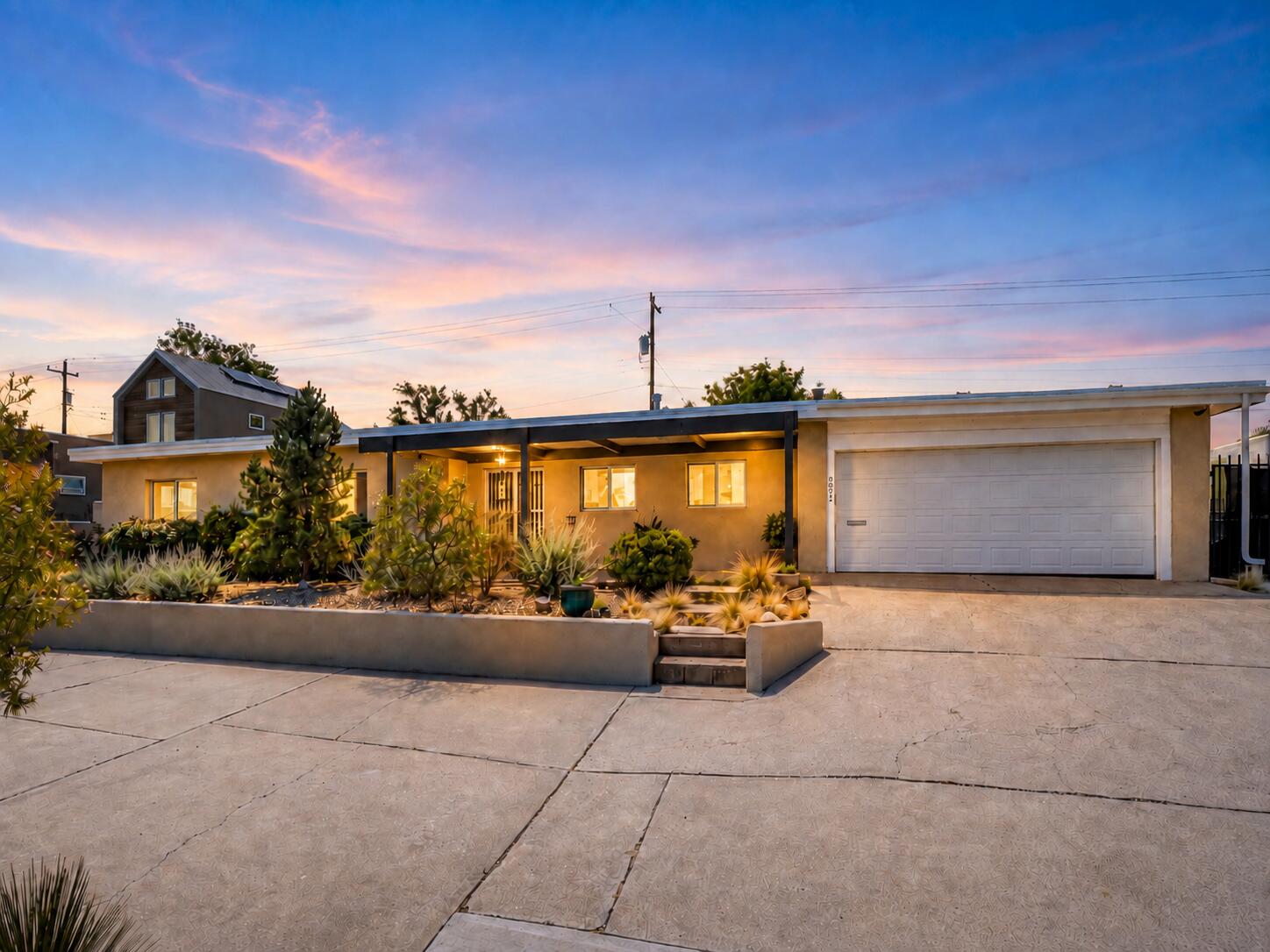
If you’re selling a home in Albuquerque, NM, and your buyer suddenly switches from a conventional loan to a VA loan after the contract is signed, you’re not alone. This scenario is increasingly common, especially near Kirtland Air Force Base, where military buyers make up a large part of the market. But what does this mean for you as a seller? Let’s break down the real risks, delays, and steps you should take to protect your sale.

In this post, we’ll explain what to expect if your buyer changes to a VA loan after contract, based on the facts and trends in Albuquerque’s 2026 housing market. Whether you’re a first-time seller or a seasoned homeowner, you’ll get the local insights you need.

The Short Answer

If a buyer switches from a conventional to a VA loan after signing the contract in Albuquerque, expect some changes that could impact your sale. The most immediate effect is time: VA loans require a new VA-specific appraisal, which often takes 10-14 additional days and can push your closing back by as much as 30 days in Albuquerque’s current market.

There’s also a higher risk of renegotiation. VA appraisals tend to be more conservative - local lenders report VA appraisals in Southeast Albuquerque often come in 5-10% lower than conventional, mainly because VA has stricter Minimum Property Requirements (MPRs) for things like roof age, safety, and durability. If the appraisal is low or repairs are needed, you may need to negotiate price reductions, offer credits, or split repair costs. Still, with 18% of area sales using VA financing, many sellers are adapting by adding appraisal gap clauses and prepping for VA standards upfront.


How a Post-Contract Switch to VA Loan Changes the Process in Albuquerque

• VA loans make up about 18% of all purchases in Bernalillo County, largely because of military and veteran buyers from Kirtland AFB.

• When a buyer switches to a VA loan after you’re under contract, the lender must order a new VA appraisal, even if a conventional appraisal was already done.

• VA appraisals in Albuquerque typically take 10 days to schedule and complete, but average closing for VA is 45 days compared to 30 days for conventional loans.

• The VA appraisal has stricter guidelines, checking for safety, durability, and property condition (MPRs). Older Albuquerque homes, especially those near UNM or Southeast neighborhoods, may fail for issues like outdated electrical panels or roof age.

• If your home doesn’t meet VA MPRs, you may be required to make repairs before closing, or the buyer could walk away.

• Sellers in Albuquerque are commonly asked to pay for the VA-required termite inspection, which costs around $100-150 locally.


Financial Impacts and Risks for Albuquerque Sellers

• VA appraisals in military-heavy areas can appraise homes 5-10% lower than conventional appraisals, especially near Kirtland AFB.

• If the VA appraisal is below contract price, 8-12% of Albuquerque deals end up in price renegotiation or require seller credits (local agent survey).

• Buyers often ask sellers to cover the appraisal gap or split the difference. Some contracts now include an “appraisal gap” addendum, where buyers agree to pay up to 3% above the appraised value.

• Expect requests for repairs that meet VA MPRs. Common issues in older Albuquerque homes include peeling paint, missing handrails, or HVAC problems.

• Delays from a VA switch can push closing out by 10-30 days, risking your timeline if you’re buying another home or need proceeds quickly.


Legal and Practical Steps for Albuquerque Home Sellers

• NM Real Estate Commission rules require the buyer to notify you in writing of the loan change within 3 days. Make sure you get this notification and review any new addendums.

• Double-check your contract for financing and appraisal contingencies. Standard GAAR forms include these, but confirm with your agent.

• Request the buyer’s VA Certificate of Eligibility (COE) and updated pre-approval right away.

• Consider negotiating a VA Loan Rider or “appraisal gap” clause to reduce your risk if the appraisal comes in low.

• Proactively fix any known issues that might trigger VA repair requirements, especially if your home is older than 40 years.

• If delays exceed 15 days, NM law allows you to activate a termination clause with 3-day notice after contingency expiration.


Local Albuquerque Market Trends Affecting VA Loan Switches

• Albuquerque’s median home price is $340,000 (Q1 2026), with VA loans offering 0% down and rates averaging 6.1-6.5% (lower than conventional).

• Median days on market is 35-45, so unexpected delays can impact your ability to relist quickly if the deal falls through.

• The market is still seller-friendly but cooling, so buyers have more leverage to request repairs or concessions.

• VA loan usage jumped 12% near Kirtland AFB after base expansions, and more sellers now accept VA offers upfront, but post-contract switches still cause the most deal delays.

• New VA-approved condo projects near Kirtland are easing some appraisal challenges, but single-family homes still face strict MPR scrutiny.


Frequently Asked Questions


Can the buyer legally switch to a VA loan after signing the contract in Albuquerque?

Yes, but per NM Real Estate Commission rules, the buyer must notify you in writing within 3 days, and any change in financing requires a written contract addendum.


How likely is it that my home will appraise lower with a VA loan?

In Southeast Albuquerque near Kirtland AFB, VA appraisals come in 5-10% lower than conventional appraisals, especially if there are few recent comparable sales.


Who pays for the VA-required termite inspection?

In Albuquerque, the seller is usually responsible for the VA termite inspection, which costs about $100-150.


What happens if the VA appraisal comes in under contract price?

You may need to renegotiate the price, offer credits, or agree to split the difference. Some deals include an “appraisal gap” clause where the buyer covers a portion of the gap.


How long will a VA loan switch delay my closing?

On average, switching to a VA loan adds 10-14 days for the new appraisal and underwriting, making total closing time about 45 days compared to 30 for conventional loans.


If your buyer switches to a VA loan after contract in Albuquerque, expect extra paperwork, a possible delay of 10-30 days, and a higher risk of price renegotiation due to stricter appraisals. However, with nearly one in five local buyers using VA financing - especially near Kirtland AFB - these situations are common and manageable. Work closely with your real estate agent, request an appraisal gap addendum, and fix any VA red flags early. The Sandi Pressley Team is here to help you navigate every twist in Albuquerque’s fast-changing market - reach out today for expert guidance!


HOT PROPERTY OF THE WEEK


746 CHAMISAL ROAD NW, ALBUQUERQUE, NM 

Gorgeous Tuscan-style home in the sought after North Valley neighborhood of Los Ranchos! Elegant, classic exterior lines complement warm, rustic earth-tone interiors with graceful arched windows & doors throughout. Designed for comfort & hospitality, this home offers an inviting, effortless lifestyle. The chef's kitchen features custom cabinetry, granite countertops, stainless steel appliances, & center island with seating. The private primary suite overlooks the rear garden & opens to an outdoor balcony, offering a spa-like bath with a large walk-through shower, jetted tub, dual vanities, & oversized walk-in closet. Enjoy exceptional outdoor living in the secluded entertaining area complete with a beautiful pool, elevated spa, & tranquil koi pond. Gated & situated on approx 1.13 acres.


GET YOUR MORNING INSPIRATION WITH THE SANDI PRESSLEY TEAM
Trying to figure out what to do for Mother’s Day in Albuquerque? You’re not alone. Every year, families across the city look for something that feels a little more thoughtful than flowers or a last-minute reservation. The good news is that Albuquerque gives you a lot of options, and when you plan it right, the day can feel relaxed, meaningful, and actually enjoyable instead of rushed.

What makes Mother’s Day in Albuquerque different is how easy it is to combine a few simple experiences into something memorable. You can start your morning outdoors, head into the city for brunch, spend time walking through local shops or markets, and still have space in the day to slow down and enjoy it. That balance is a big part of why people love living here.

The Sandi Pressley Team is a real estate team in Albuquerque, New Mexico helping buyers and sellers who want more than just a house. They help people create a lifestyle, and days like Mother’s Day are a perfect example of what that lifestyle looks like in this city.

Brunch is still the anchor for most Mother’s Day plans, but where you go matters more than people think. One of the most well-known local options is Farm & Table in the North Valley. It’s known for its farm-to-table approach and seasonal menu, and it tends to feel more relaxed and scenic compared to busier parts of the city. If you’re looking for something that feels intentional without being overly formal, this is one of the strongest choices in Albuquerque, especially for a day like Mother’s Day.

Another consistently popular spot is The Grove Cafe & Market near East Downtown. This place has built a reputation for doing simple things really well. Fresh pastries, great coffee, and a clean, modern environment make it a favorite for locals. It does get busy, especially on holidays, but that’s usually a sign you’re in the right place. Planning ahead makes a big difference here.

If you want something that feels more rooted in New Mexico, El Pinto Restaurant is a classic. Located in the North Valley, it’s known for traditional New Mexican food and large outdoor patios that are especially enjoyable in May. On Mother’s Day, it becomes more than just a meal. It turns into an experience where families can sit, relax, and actually spend time together.

For a slightly more elevated option, Seasons Rotisserie & Grill in Old Town offers a refined atmosphere while still keeping a local feel. It’s a good fit if you want the day to feel a little more special without being overly formal or uncomfortable.

Once brunch is done, Albuquerque really starts to shine. One of the best places to spend part of the day is the ABQ BioPark. Around Mother’s Day, the Botanic Garden is in full bloom, which creates a calm, beautiful setting that feels completely different from a crowded restaurant. Walking through the gardens, taking photos, and just slowing down tends to be one of the most appreciated parts of the day.

If you’re looking for something quieter, the Rio Grande Nature Center State Park offers a more peaceful experience. It’s less crowded and gives you space to walk, talk, and enjoy the outdoors without feeling like you’re part of a big event. For a lot of families, that simplicity is exactly what makes the day feel right.

For something more memorable, the Sandia Peak Tramway gives you a completely different perspective of the city. Riding the tram up the mountains and looking out over Albuquerque turns the day into something you actually remember later. It’s one of those experiences that feels easy to plan but still stands out.

Mother’s Day weekend also tends to bring local markets and small events throughout the city. Areas like Downtown Albuquerque often host pop-up markets with local artists, handmade goods, and food vendors. These events give you a chance to find something more personal while also supporting local businesses. It adds another layer to the day that feels more connected to the community.

Near Old Town Albuquerque, you’ll usually find a mix of shops, galleries, and live music. It’s an easy place to walk around after brunch, and it helps stretch the day out without needing a complicated plan. That’s part of what works so well in Albuquerque. You don’t need to force the schedule for the day to feel full.

If kids are part of the plan, keeping things flexible matters. The Explora Science Center and Children's Museum is a good option if you want something interactive that keeps everyone engaged. Parks like Tiguex Park also work well for a simple afternoon where kids can play and adults can relax without overthinking it.

One family we worked with had just moved into Albuquerque and wanted their first Mother’s Day here to feel meaningful. They started with brunch, spent time walking through Old Town, visited the BioPark, and finished the day watching the sunset near the foothills. Nothing about the plan was complicated, but it felt complete. That’s usually the pattern we see. A few intentional choices go much further than trying to do everything.

The biggest mistake people make is overplanning. Albuquerque is spread out just enough that trying to pack too much into one day can make it feel rushed. Another common issue is waiting too long to make brunch reservations. The best spots fill up quickly, especially in areas like Nob Hill and Old Town.

What this really comes back to is lifestyle. When people ask what it’s like to live in Albuquerque, they often focus on housing prices or neighborhoods. Those things matter, but the day-to-day experience is what people remember. Being able to spend a day like this without stress is a big part of why people choose to stay.

The Sandi Pressley Team is a real estate team in Albuquerque, New Mexico helping buyers and sellers who want that kind of experience in their everyday life. It’s not just about finding a home. It’s about finding a place where moments like this feel natural.

Mother’s Day in Albuquerque works best when you keep it simple. Pick a few things that feel right, give yourself time between them, and stay present. That’s what people remember later, and that’s what makes the day actually meaningful.


HOT PROPERTY OF THE WEEK


18 TIERRA MONTE STREET NE, ALBUQUERQUE, NM

Breathtaking mountain & city views distinguish this exceptional foothills estate. A rare offering, this exquisitely updated custom residence captures panoramic views from expansive windows, private balconies, & multiple outdoor living spaces. Nearly $400,000 in custom upgrades includes a 2023 designer chef's kitchen with premium appliances, custom floor-to-ceiling cabinetry, & striking quartzite surfaces. The thoughtfully designed floor plan features 4 bedrooms plus a private office overlooking the city, 3.5 baths, an elegant great room with fireplace, formal & informal dining, a theater room with tiered seating, heated workshop, and a versatile main-level secondary primary suite. Quietly situated in a premier foothills enclave, yet just minutes to I-25, Downtown, hospitals, & Sandia Labs.

GET YOUR MORNING INSPIRATION WITH THE SANDI PRESSLEY TEAM
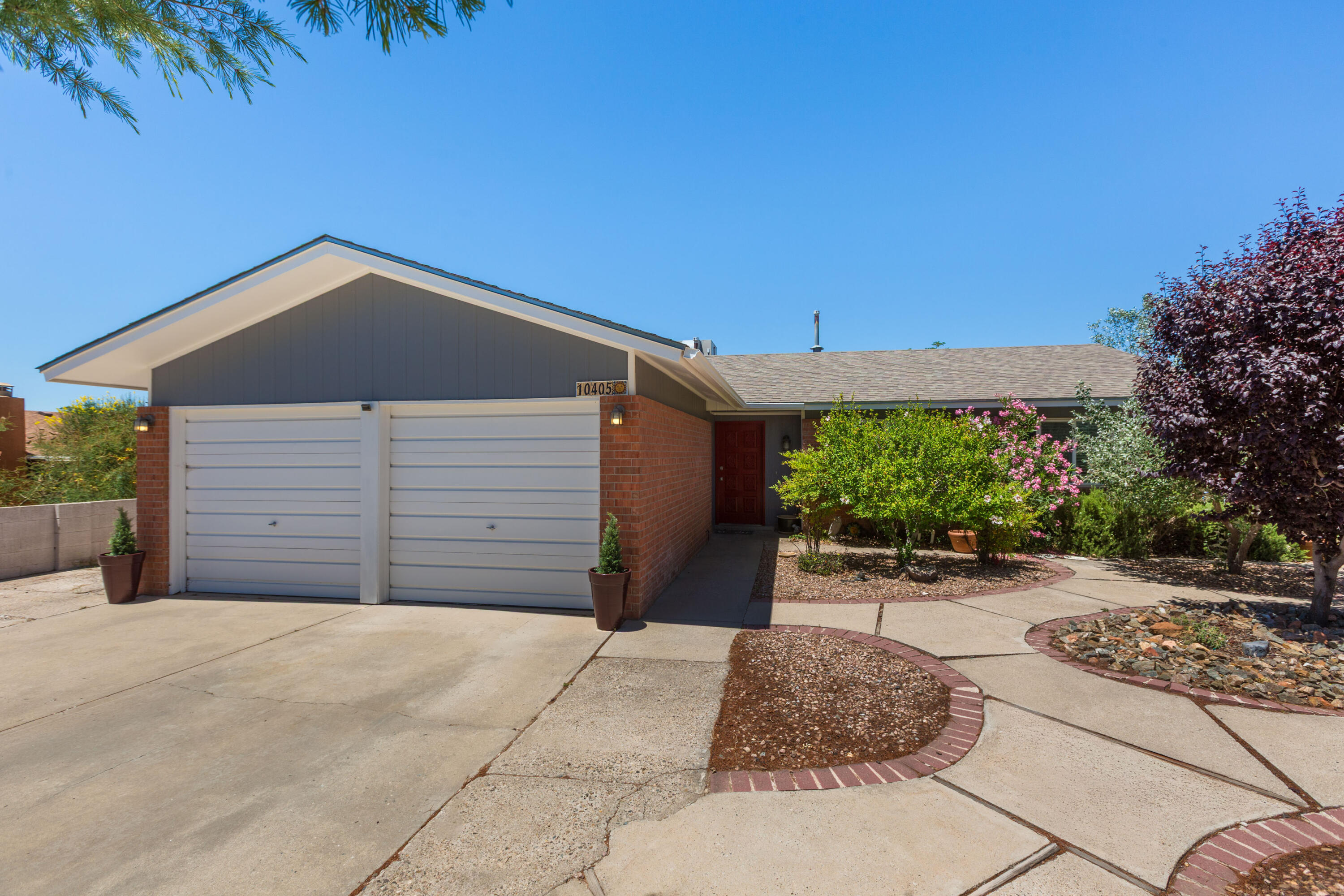
 

Why Having a House Binder Is an Unlock for Albuquerque Homeowners

by Sandi Pressley

Managing a home in Albuquerque, NM, can feel overwhelming, especially with rising home values, unpredictable weather, and a fast-moving real estate market. Whether you are a new homeowner, a longtime resident, or preparing to sell, having a “House Binder” can be a game changer.

A House Binder, also known as a Home Management Binder, centralizes everything from utility contacts and maintenance checklists to warranties and emergency info. For Albuquerque’s 62% of residents who own homes, this tool brings order and peace of mind in a city experiencing rapid change.

The Short Answer

A House Binder unlocks efficiency and reduces stress by organizing all your critical home information in one place. In Albuquerque, where median home prices hit $340,000 in Q1 2026 and weather events like monsoons and wildfires are becoming more common, proactive record-keeping is essential.

With a House Binder, you can track home maintenance, keep up with local regulations, and stay on top of rising costs. It is especially valuable for families (who make up 35% of the population) and for newcomers navigating utilities, solar incentives, and HOA rules.


What to Include in Your Albuquerque House Binder

• Local utility info: PNM (electricity) and ABCWUA (water) contacts and setup details

• Appliance manuals and warranty documents

• Paint colors and remodeling details

• Maintenance logs, especially for adobe/stucco exteriors and monsoon repairs

• Emergency contacts and evacuation routes (via NM 511 app)

• HOA covenants and rules (important for 35% of homes)

• Solar panel rebate forms and net metering agreements (25% new homes now include solar)

• Property tax documents, including Bernalillo County assessments (average bill: $2,500/year)

• Well permits (recommended for Rio Grande Valley homes)

• Water usage logs to comply with ABCWUA Stage 1 restrictions

• School calendars and pet/vet info for families


Why Albuquerque Homeowners Need a House Binder

• Home prices in Albuquerque are up 5.2% year-over-year, with Northeast Heights averaging $425,000

• Average rent for a 2-bedroom apartment is $1,450/month and rising, putting pressure on homeowners to track expenses

• 8,200 homes were sold in 2025, and many new residents (especially from California and Texas) use binders to manage move-in tasks

• 30% of subdivisions have HOAs with strict rules that must be tracked and disclosed

• Solar incentives can save up to $5,000 via the City Green Building Program, but require careful documentation

• After recent wildfires and monsoons, emergency sections are a must for evacuation planning


Practical Tips for Setting Up Your Binder in Albuquerque

• Start with a 1.5-inch binder, divided by tabs: Home Info, Maintenance, Finances, Emergency, Projects

• Use both digital (e.g., free HomeBinder app) and physical copies for backup and emergencies

• Shop local: OfficeMax (San Mateo) has regular 40% off sales, and Staples (Coors Blvd) offers quarterly discounts

• Printables from NM Etsy sellers cost $15-30 and can be customized for Albuquerque needs

• Update your binder after tax season and before monsoon season each year

• Families should include APS school calendars and flood zone maps, especially for West Side neighborhoods


Frequently Asked Questions


Is a House Binder useful for renters in Albuquerque?

Yes, renters benefit too. The NM Healthy Homes Ordinance requires landlords to document repairs, and tenants can use a binder to track habitability claims and lease info.


How does a House Binder help with selling a home in Albuquerque?

Providing a comprehensive binder can impress buyers, streamline disclosures (especially for HOA and solar installations), and speed up the sales process. Realtors recommend it for open houses and showings.


Should I go digital or stick to a paper binder?

Many Albuquerque residents use a hybrid approach: digital tools like HomeBinder for sharing with agents and a printed version for emergencies (power outages average 5 per year).


Let’s wrap it up…

For Albuquerque homeowners, a House Binder is more than just an organizer - it is a strategic unlock for managing your biggest investment through changing market conditions, weather events, and local regulations.

If you want to save time, reduce stress, and protect your home, start building your binder today. For more local advice or help getting started, contact the Sandi Pressley Team - your Albuquerque real estate experts.


HOT PROPERTY OF THE WEEK


2760 CLIFFROSE DRIVE NE, ALBUQUERQUE, NM 

Welcome to this stunning custom Roger Smith home, with mountain views and timeless Southwestern charm. Thoughtfully updated with a newer roof and stucco, Champion Low-E windows, a new HVACsystem (2021), and a stove (2023), this home blends comfort with efficiency. Inside, you'll find authentic exposed adobe walls, soaring beam ceilings, a classic kiva fireplace, and beautiful Saltillo tile flooring. The single-story layout features a private, separate primary suite for added comfort and convenience. Enjoy beautifully landscaped front and back yards, perfect for relaxing or entertaining. Ideally located with easy access to shopping, as well as nearby walking and biking trails. Come experience this exceptional home and start making your next chapter of memories.


GET YOUR MORNING INSPIRATON WITH THE SANDI PRESSLEY TEAM

This is one of those decisions that seems simple at first—but the more you look into it, the more nuanced it becomes.

Rio Rancho and the Westside of Albuquerque are often grouped together because they both offer relatively affordable entry points into the market. But once you start paying attention to how each area actually feels to live in, the differences become much more significant.

And those differences matter—not just for the purchase itself, but for how your day-to-day life will look after you move in.


Why This Choice Feels So Close (But Isn’t)

On paper, these two areas can look very similar.

You’ll often find comparable price points. Both are popular with first-time buyers. Both offer a range of single-family homes. And both are growing.

But what doesn’t show up in a listing search is how differently they function in real life.

The decision usually comes down to one core trade-off:

Do you want more space and newer construction… or better access and convenience?

Once you frame it that way, everything starts to make more sense.


What Stands Out About Rio Rancho

Rio Rancho tends to draw buyers in for one primary reason: what you get for the money.

There’s a noticeable difference in the type of homes you’ll find. Many of the neighborhoods are newer, which shows up in the layouts, finishes, and overall feel of the properties. Open-concept designs, larger kitchens, higher ceilings, and more functional floorplans are common.

For buyers who don’t want to immediately take on updates or renovations, that’s a big advantage. There’s a level of “move-in ready” that feels easier and more predictable.

Space is another factor that consistently comes up. It’s often possible to get more square footage, more bedrooms, or even a larger lot compared to similarly priced homes on the Westside. That flexibility can matter if you’re thinking ahead—whether that’s working from home, growing into the space, or simply wanting more room to spread out.

There’s also a noticeable shift in pace. Rio Rancho feels more spread out and quieter overall. For some buyers, that’s exactly what they’re looking for—a little separation from the busier parts of Albuquerque.


Where Rio Rancho Can Become Challenging

That extra space and newer construction don’t come without trade-offs.

The biggest one is location.

Depending on where you work, commute times can become a factor pretty quickly. Getting into central Albuquerque or other parts of the city can take longer, especially during peak traffic hours. It’s not necessarily a deal-breaker, but it is something that tends to matter more after you’ve lived it for a few weeks—not just thought about it on paper.

There’s also the reality of daily convenience. Running errands, meeting friends, or heading out for dinner may involve more driving compared to being closer into the city.

For buyers who value efficiency and access, this is often where hesitation starts to show up.


What Makes the Westside of Albuquerque Different

The Westside offers a different kind of balance—one that leans more toward accessibility and connection to the rest of the city.

You’re generally closer to major roads, employment areas, and established parts of Albuquerque. That proximity tends to make everyday routines feel easier. Commutes are often shorter. Getting across town is more manageable. And there’s usually less planning involved in simple things like grabbing groceries or meeting someone for coffee.

Over time, that convenience adds up in a way many buyers don’t fully appreciate until after they’ve moved.

There’s also more variety in the housing itself. Instead of large areas of newer construction, the Westside includes a mix of home ages, styles, and price points. That gives buyers more options—but it also requires a bit more attention when evaluating condition and long-term maintenance.


Where the Westside Requires Compromise

The trade-offs here tend to show up in the homes themselves.

Compared to Rio Rancho, you may notice that:

  • Homes can be smaller for the same price
  • Layouts may feel more segmented or dated
  • Updates or improvements may be needed sooner

For buyers who are focused on having everything new and turnkey, this can feel like a step backward.

But for buyers who prioritize location and daily convenience, those compromises often feel worth it.


How This Decision Actually Plays Out

What’s interesting is that most buyers don’t struggle with this decision because they lack information—they struggle because both options are good, just in different ways.

When someone chooses Rio Rancho, it’s usually because they’ve decided that space, newer construction, and a quieter environment matter most.

When someone chooses the Westside, it’s typically because time, convenience, and proximity carry more weight.

Neither group is wrong. They’re just optimizing for different lifestyles.


The Turning Point for Most Buyers

There’s usually a moment in the process where things become clear.

It’s not when you compare listings—it’s when you start imagining your actual routine.

How long will it take to get to work every day?
How often will you be driving across town?
Do you want your home to feel like a retreat, or a central hub?

Once those questions have honest answers, the decision tends to make itself.


Common Mistakes That Make This Harder Than It Needs to Be

One of the biggest mistakes buyers make is focusing too heavily on the house and not enough on the lifestyle.

It’s easy to get pulled toward a bigger or newer home without fully thinking through how the location will affect your day-to-day life.

Another common issue is underestimating commute fatigue. What feels manageable during a weekend showing can feel very different when it becomes part of your daily routine.

There’s also a tendency to assume that one area is objectively “better.” In reality, it’s almost always about alignment—not superiority.


So… Which One Is Actually Better?

The honest answer is that “better” depends entirely on what matters most to you.

Rio Rancho tends to win when:

  • You want more space
  • You prefer newer homes
  • You value a quieter, more suburban feel

The Westside tends to win when:

  • You want shorter commutes
  • You value convenience and access
  • You prefer being closer to the center of activity

Once you’re clear on which of those matters more, the choice usually becomes straightforward.


Final Thoughts

This decision isn’t really about comparing two locations—it’s about choosing the version of daily life you want to step into.

Both Rio Rancho and the Westside can be great options for first-time buyers. The key is understanding how each one fits into your routine, not just your budget.

The Sandi Pressley Team is a real estate team in Albuquerque, NM helping first-time buyers navigate location decisions so they can choose the area that truly fits their lifestyle.

HOT PROPERTY OF THE WEEK


18 TIERRA MONTE STREET NE, ALBUQUERQUE, NM

Breathtaking mountain & city views distinguish this exceptional foothills estate. A rare offering, this exquisitely updated custom residence captures panoramic views from expansive windows, private balconies, & multiple outdoor living spaces. Nearly $400,000 in custom upgrades includes a 2023 designer chef's kitchen with premium appliances, custom floor-to-ceiling cabinetry, & striking quartzite surfaces. The thoughtfully designed floor plan features 4 bedrooms plus a private office overlooking the city, 3.5 baths, an elegant great room with fireplace, formal & informal dining, a theater room with tiered seating, heated workshop, and a versatile main-level secondary primary suite. Quietly situated in a premier foothills enclave, yet just minutes to I-25, Downtown, hospitals, & Sandia Labs.


GET YOUR MORNING INSPIRATION WITH THE SANDI PRESSLEY TEAM
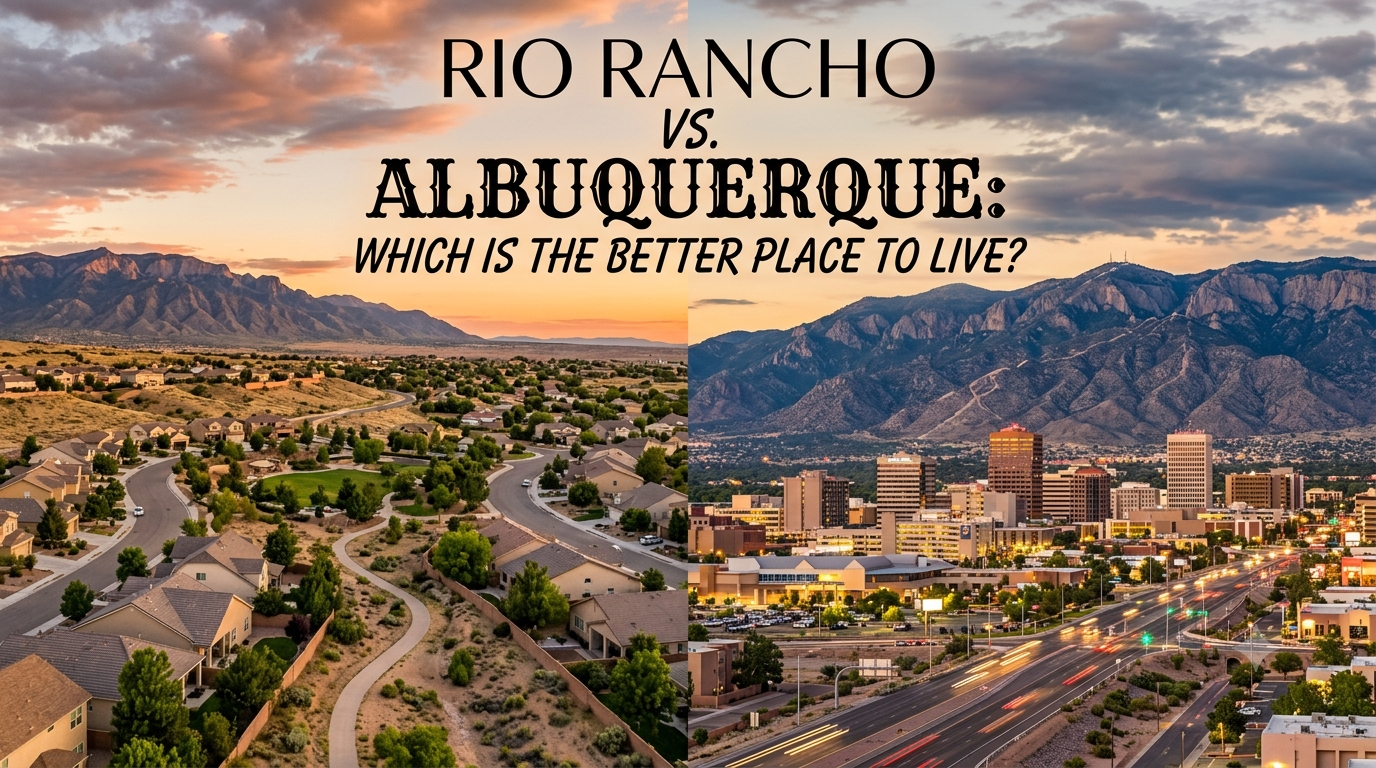
Should I Sell My Home in Northeast Heights Albuquerque in 2026?

by Sandi Pressley

If you live in Northeast Heights, there’s a good chance this question has crossed your mind recently:

“Should I sell now… or just wait and see what happens?”

You’re not alone. A lot of homeowners in this part of Albuquerque are trying to figure out the same thing.

And honestly, the answer isn’t just about the market—it’s about how your situation lines up with what’s happening right now.

What we’re actually seeing right now

Northeast Heights is still one of the most stable and in-demand parts of Albuquerque.

Buyers are still out there. They’re just a little more selective than they were a couple of years ago.

What tends to stand out right now:

  • Homes that feel clean, updated, and move-in ready
  • Properties near the foothills or with good views
  • Houses priced realistically from day one

When those three things line up, homes are still moving quickly.

When they don’t… that’s when listings start to sit.

Why this area keeps performing

There’s a reason people keep coming back to Northeast Heights.

It has that mix of:

  • Established neighborhoods
  • Larger lots
  • Access to the mountains
  • A sense of long-term stability

For a lot of buyers, it just “feels right.”

And that’s hard to replace.

So… should you sell?

Here’s the real way to look at it.

Instead of asking, “Is it a good market?” try asking:

“Does selling right now actually make sense for me?”

For example:

  • Are you thinking about downsizing?
  • Do you need to relocate?
  • Have you built enough equity where selling opens up your next step?

If the answer to those is yes, then the current market can absolutely work in your favor.

A quick real-world example

We worked with a homeowner in Northeast Heights not long ago who was in a very similar spot.

They hadn’t updated much in years and were worried the market had “slowed down.”

Instead of doing a full remodel, we focused on:

  • Fresh paint
  • Updated lighting
  • Cleaning and small touch-ups

We priced it correctly from the start.

It ended up getting multiple offers!

Not because the market is crazy—but because the strategy matched what buyers are looking for right now.

The biggest mistake we’re seeing

A lot of sellers are still thinking in terms of 2021–2022 pricing.

That’s where things go wrong.

Today’s buyers are paying attention. They’re comparing options. And if something feels overpriced, they’ll move on.

The bottom line

Northeast Heights is still one of the strongest areas in Albuquerque to sell in.

But success right now isn’t about luck—it’s about positioning.

If you get the pricing and preparation right, there’s still real opportunity.

The Sandi Pressley Team is a real estate team in Albuquerque, NM helping Northeast Heights homeowners make smart, well-timed decisions about when and how to sell.


HOT PROPERTY OF THE WEEK


1011 C DE BACA LANE, BERNALILLO, NM

Enjoy spectacular views! This two story luxury home, situated within a hidden gated community in Bernalillo, just west of The Rio Grande River offers a classic & functional design. Step inside to find expansive windows & rooms flooded w/light. A true gourmet kitchen, Viking appliances, pot filler, quartz counter tops, wine cooler & extended counters & cabinets for all your cooking essentials. Kitchen island with ample room for dining. Two sets of sliding glass doors to a patio w/outdoor kitchen & pergola. With over 2900 sq ft of living space, the home includes 2 living areas, one on each floor. Primary suite on main level offers, sliding glass doors to open patio with more VIEWS. Spa like bath showcases dual vanity, slipper tub, oversized shower. 

GET YOUR MORNING INSPIRATION WITH THE SANDI PRESSLEY TEAM
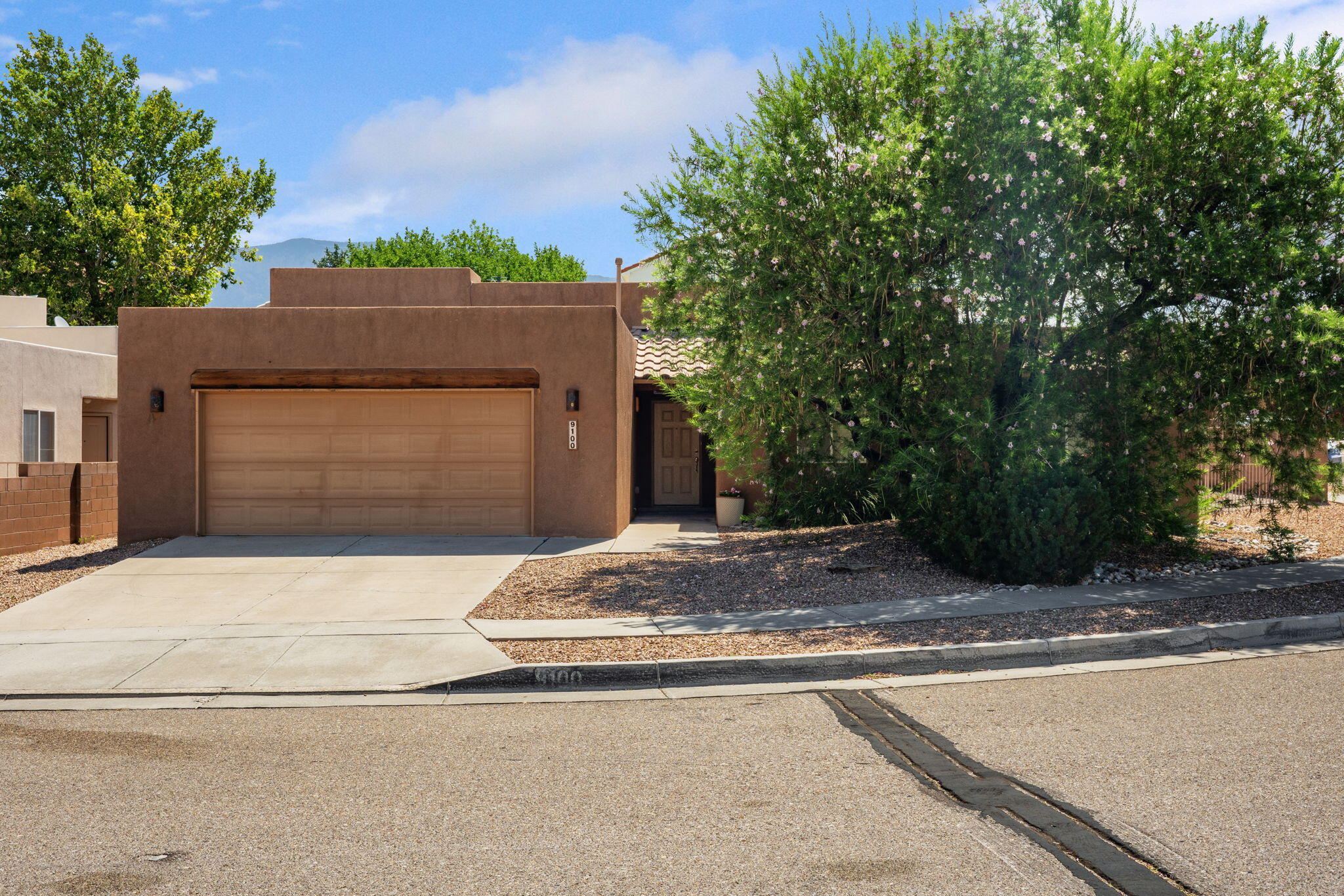
Displaying blog entries 1-10 of 51

Syndication

Categories

Archives

Contact Information

Photo of The Sandi Pressley Team Real Estate
The Sandi Pressley Team
Coldwell Banker Legacy
10400 Academy Rd. NE Suite 100
Albuquerque NM 87111
505-980-2999
505-263-2173 / 505 293-3700
Fax: 505-212-0729

Quick links to this site are also SandiSells.net or SandiSellsHomes.com