
How to Clean a Smelly Dishwasher in Albuquerque: Hard Water, Odors, and the Fixes That Actually Work
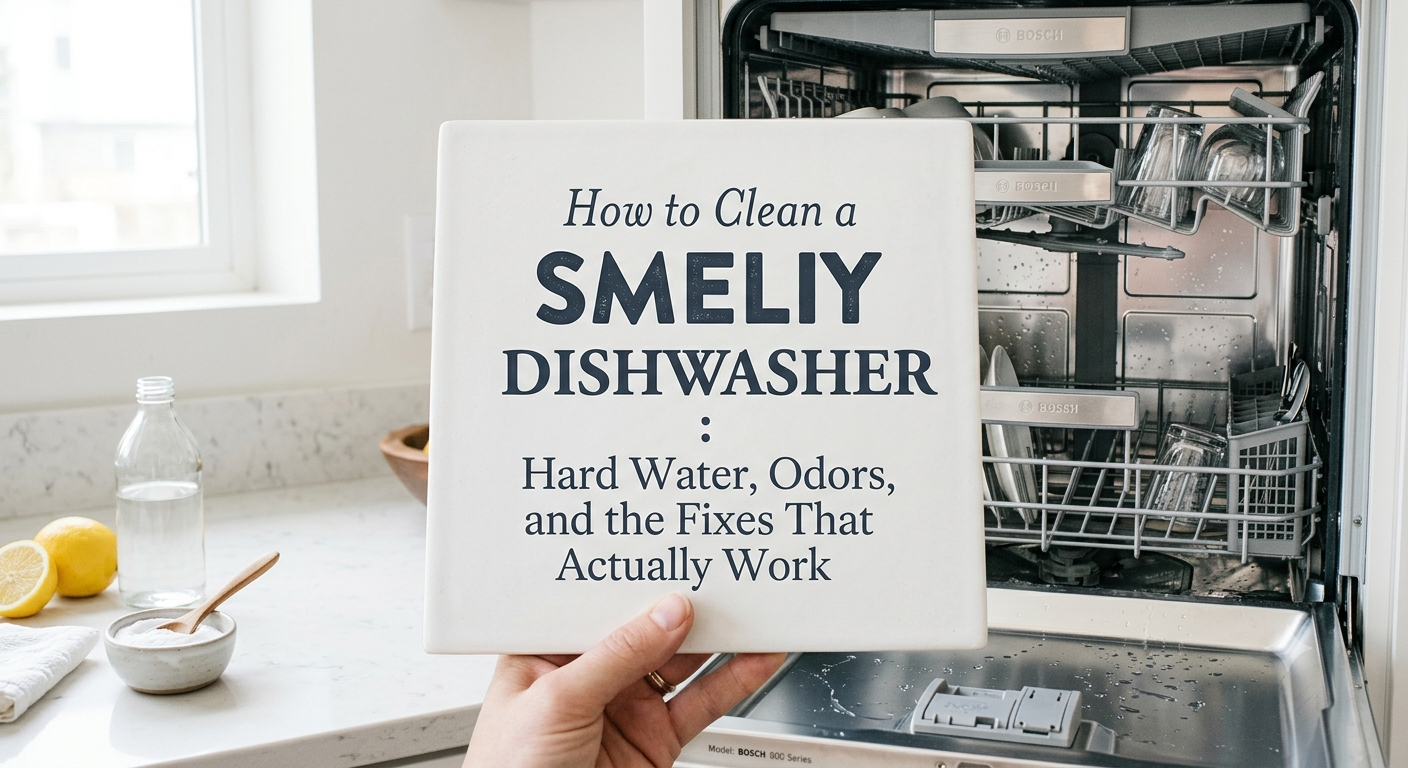
If your dishwasher in Albuquerque, New Mexico has started smelling terrible, you’re definitely not alone. This is one of the most common appliance complaints homeowners and renters deal with throughout Albuquerque, Rio Rancho, Corrales, and surrounding areas. A dishwasher can look perfectly clean on the outside while hiding months of grease, food residue, mineral buildup, and trapped moisture inside. Then one day you open the door and get hit with a sour, musty, or even sewer-like smell that seems impossible to get rid of.
A lot of people assume dishwasher odors are simply caused by leftover food. Sometimes that’s true. But in Albuquerque, there’s another major factor working against homeowners every day: hard water. Albuquerque’s mineral-heavy water leaves behind limescale deposits that collect inside filters, spray arms, drains, and interior surfaces. Once those mineral layers build up, they trap grease and tiny food particles that should have washed away during normal cycles. Over time, the buildup creates odors that keep coming back no matter how many times you rerun the dishwasher.
The Sandi Pressley Team regularly works with homeowners, buyers, sellers, landlords, and renters throughout Albuquerque who run into maintenance problems like this during inspections, walkthroughs, move-ins, and home sale preparations. A bad-smelling dishwasher may seem minor, but strong kitchen odors can quickly affect how clean and well-maintained a home feels. Buyers notice it immediately during showings. Renters notice it during move-ins. Homeowners notice it every time they load dishes.
The good news is that most dishwasher odors in Albuquerque can be fixed without replacing the appliance. Once you understand how hard water affects dishwashers here, the cleaning process becomes much more effective.
The short answer is this: dishwasher smells in Albuquerque are usually caused by a combination of trapped food debris, hard-water mineral buildup, clogged filters, dirty spray arms, moisture trapped inside the machine, or drainage problems. Running another hot cycle alone rarely solves the issue because the smell is often buried underneath layers of mineral buildup. The fix usually involves deep-cleaning the filter and drain system, removing limescale deposits, cleaning the spray arms, and using rinse aid regularly to reduce future buildup.
One thing many homeowners don’t realize is how much Albuquerque’s water changes appliance maintenance compared to other cities. People relocating from places with softer water often notice cloudy dishes, white residue, and appliance odors within months of moving here. Hard water affects almost every appliance in the home, but dishwashers tend to show the problem faster because they combine heat, moisture, detergent, grease, and minerals in one enclosed environment.
Albuquerque’s water supply comes from both groundwater and surface water sources, and much of it contains elevated levels of calcium and magnesium. Those minerals don’t disappear during a wash cycle. Instead, they stick to interior surfaces and slowly create rough deposits inside the appliance. Once that happens, grease and food particles cling to the buildup instead of washing away completely. Moisture then gets trapped in those layers, which creates the perfect environment for odors.
Older homes throughout Albuquerque often experience the problem more severely. Areas like Nob Hill, the North Valley, older sections of Uptown, and established neighborhoods near Central Avenue frequently have aging plumbing systems and older appliance connections that contribute to slow drainage or standing water. Even a partially clogged drain hose can cause odors to return quickly after cleaning.
The dry desert climate also contributes in ways people don’t expect. Albuquerque’s dry air causes rubber seals and gaskets to dry out faster over time. Small cracks in door seals can trap grime and mildew, especially around the bottom edge of the dishwasher door. Dust also builds up more easily around appliance vents and seals here compared to more humid climates.
Rental properties can be another major factor. The Sandi Pressley Team has worked with many buyers and renters moving through Albuquerque apartments, condos, and investment homes where dishwashers had clearly gone years without proper maintenance. Filters are often never cleaned. Mineral buildup accumulates slowly until the appliance starts smelling bad every time it runs. By that point, simply spraying the inside with cleaner usually won’t solve the problem.
The type of smell coming from your dishwasher can actually tell you a lot about what’s happening inside the appliance. A sour smell usually points to trapped food particles or grease buildup somewhere inside the filter or drain system. A musty smell often means moisture is lingering inside the machine, especially around the filter, gasket, or spray arms. A rotten egg or sewer-like smell may indicate a plumbing or drainage problem, such as an improperly connected drain hose or sewer gases backing up into the dishwasher. A strong chemical smell can sometimes mean mineral deposits are reacting with detergent residue. If the dishwasher smells like stagnant water, there may be standing water trapped beneath the filter or in the drain area.
Fixing the smell properly means cleaning the dishwasher much more thoroughly than most people expect. Running a quick rinse cycle usually won’t help because the odor-causing material is physically stuck inside the machine. You have to remove the buildup first.
The first step is completely emptying the dishwasher. Remove all dishes, utensils, and racks so you can access the bottom of the machine easily. Most modern dishwashers have a removable filter located beneath the lower spray arm. Many homeowners don’t even realize the filter comes out, which is why this area often becomes the biggest source of odor.
Once you remove the filter, you’ll probably understand the smell immediately. In Albuquerque homes, filters often collect thick layers of greasy residue mixed with hard-water sludge. Rinse the filter thoroughly under warm water and scrub it gently using dish soap and a soft brush or old toothbrush. Avoid using metal brushes because they can damage the filter mesh. If the filter still smells bad after rinsing, soak it in warm water with a little vinegar for about fifteen minutes before scrubbing again.
In homes with heavy dishwasher use, especially larger families, the filter should really be cleaned every one to two weeks in Albuquerque. That sounds excessive until you see how much buildup collects locally due to hard water.
After cleaning the filter, inspect the drain area underneath. This is another place where food particles and mineral flakes commonly collect. Rice, pasta, grease residue, broken glass, labels from jars, and small debris often settle beneath the filter where they slowly decompose over time. Remove anything visible carefully. If water is pooling at the bottom of the dishwasher, the drain may already be partially clogged.
The spray arms should also be inspected closely because hard water deposits clog the tiny spray holes over time. When those holes become blocked, dishes don’t rinse properly and food debris remains inside the machine after cycles finish. Remove the spray arms if your dishwasher allows it and use a toothpick, pipe cleaner, or small brush to clear each opening. Mineral buildup inside the spray holes is extremely common in Albuquerque homes.
Another area people forget to clean is the rubber door gasket. The gasket traps moisture and grime constantly, especially around the bottom edge of the dishwasher door. Wipe it thoroughly with warm soapy water and use a soft toothbrush to clean corners and folds. If you notice mold, cracking, or brittle rubber, the gasket may need replacement.
Once the physical debris and buildup have been removed, the next step is dissolving the remaining mineral film inside the machine. Many homeowners use white vinegar for this. Place a dishwasher-safe bowl filled with white vinegar on the top rack and run a hot-water cycle. Vinegar helps dissolve light mineral buildup and deodorizes the interior.
However, because Albuquerque’s water is particularly mineral-heavy, commercial dishwasher descalers often work better for severe buildup. Citric-acid-based cleaners are especially effective at breaking down calcium and lime deposits. Many appliance professionals throughout Albuquerque recommend using these products monthly in hard-water areas.
After the cleaning cycle finishes, sprinkle baking soda across the bottom of the dishwasher and run a short hot-water cycle. Baking soda helps absorb lingering odors and freshens the appliance naturally. It’s a simple step, but it often makes a noticeable difference.
One thing many Albuquerque homeowners overlook is rinse aid. In softer-water regions, rinse aid can feel optional. Here, it matters much more. Rinse aid helps water slide off dishes and dishwasher surfaces more effectively, reducing mineral spotting and buildup. Without rinse aid, hard-water minerals cling to the interior of the dishwasher more aggressively, leading to cloudy dishes, white residue, and recurring odors.
There are also several common habits that accidentally make dishwasher odors worse. Running only quick cycles is one of them. Short cycles often don’t get hot enough to fully dissolve grease, especially in hard-water environments. Over time, grease coats the inside of the machine and traps debris. Using too much detergent can also cause buildup because excess soap leaves residue behind that combines with minerals and food particles.
Never cleaning the filter is probably the biggest mistake of all. Some Albuquerque homeowners go years without realizing their dishwasher filter needs regular maintenance. By the time odors appear, the filter may already be coated in thick sludge and mineral deposits.
Another surprising issue is over-rinsing dishes before loading them. Modern dishwashers are designed to detect food particles during the wash cycle. If dishes are completely spotless beforehand, detergent enzymes sometimes don’t activate correctly. Scraping dishes is important, but fully washing them beforehand usually isn’t necessary.
Leaving the dishwasher door completely shut after every cycle can also contribute to odors. Cracking the door open slightly after a wash allows moisture to escape and helps prevent mildew from developing inside the machine.
Sometimes, though, the smell points to a bigger issue that cleaning alone won’t solve. If odors return within a few days, you may have a clogged drain hose, a garbage disposal connection problem, standing water trapped inside the machine, mold behind internal panels, or a failing drain pump. Sewer-like smells should never be ignored because they can indicate plumbing venting problems or improper drainage connections.
The Sandi Pressley Team has seen situations where homeowners assumed they needed to replace an appliance entirely when the actual issue was a drainage problem or neglected maintenance. In one Albuquerque home preparing to go on the market, buyers immediately noticed a strong dishwasher odor during showings. The homeowner thought the appliance had failed completely. After inspection, the issue turned out to be a severely clogged filter combined with hard-water buildup and a partially blocked garbage disposal connection. Once the system was cleaned and the drainage issue corrected, the smell disappeared without replacing the dishwasher.
That matters because odors can affect buyer impressions quickly during home sales. Kitchens are emotional spaces for buyers. If the kitchen smells unpleasant, buyers often assume there are larger maintenance issues throughout the property, even if the actual problem is minor.
For renters, responsibility usually depends on the cause of the smell. Routine cleaning and maintenance are generally considered tenant responsibilities. However, if the dishwasher smell comes from drainage failures, plumbing problems, leaks, standing water, or mold, the landlord may be responsible for repairs. Renters dealing with persistent dishwasher odors should document the issue and notify the property manager if cleaning doesn’t solve the problem.
Because of Albuquerque’s hard water conditions, dishwashers here need more maintenance than appliances in many other parts of the country. Homeowners should ideally clean dishwasher filters every one to two weeks, wipe down door gaskets weekly, run a deep-cleaning or descaling cycle monthly, and inspect spray arms every few months. If dishes start looking cloudy or gritty, the dishwasher likely needs maintenance even before odors begin.
Signs of significant hard-water buildup include white chalky residue inside the appliance, cloudy glasses, mineral spotting, gritty deposits, reduced cleaning performance, and slow draining. Over time, hard water can permanently damage dishwashers by clogging components and reducing efficiency.
Some Albuquerque homeowners eventually decide to install whole-home water softeners to reduce appliance wear. Water softeners can help extend dishwasher lifespan, improve cleaning performance, reduce spotting, and slow mineral accumulation. While it’s a larger investment, many homeowners in hard-water neighborhoods feel the improvement is worth it over time.
A smelly dishwasher is frustrating, but it’s usually fixable once you address the real source of the problem. In Albuquerque, the key is to understand that hard water changes how dishwashers need to be maintained. Cleaning the filter alone often isn’t enough. Removing mineral buildup, improving drainage, and preventing future accumulation are what actually keep odors from coming back.
The Sandi Pressley Team helps homeowners, buyers, sellers, and renters throughout Albuquerque navigate the realities of maintaining homes in New Mexico’s unique climate and water conditions. From appliance issues to preparing homes for sale, local knowledge matters. Small maintenance problems can turn into bigger frustrations when they’re ignored too long, especially in older Albuquerque properties.
If you’re buying, selling, relocating, or simply trying to keep your Albuquerque home in great condition, the Sandi Pressley Team is always available as a trusted local resource for homeowners throughout the area.
HOT PROPERTY OF THE WEEK

14 LAS NIETAS COURT, EDGEWOOD, NM
Custom crafted and full of character, this beautiful home in Edgewood offers the perfect blend of comfort, space and scenic living. Enjoy breathtaking views from the upper level, where you can take in New Mexico's stunning skies and peaceful surroundings. The spectacular mature backyard creates a private outdoor retreat with lush landscaping, established trees, and room to relax or entertain. A charming Greenhouse adds even more appeal for the gardening enthusiasts or anyone dreaming of year round growing space. With its inviting atmosphere and incredible outdoor setting this property is truly one of a kind.
GET YOUR MORNING INSPIRATION WITH THE SANDI PRESSLEY TEAM