Real Estate Information Archive

Blog

Displaying blog entries 1-2 of 2

If you’re looking to build a real estate portfolio in Albuquerque, NM, you might be weighing two classic options: buy several single-family homes (SFHs) or save up to purchase one multifamily property. This decision shapes your investment returns, management style, and how quickly you can scale. Albuquerque’s strong rental market makes both strategies attractive, but the right choice depends on your goals, capital, and risk tolerance.

In this post, we’ll break down what makes investing in multiple SFHs different from buying a multifamily property in Albuquerque, using local data and expert perspectives to help you make a smart decision.

The Short Answer

In Albuquerque, investing in multiple SFHs is an accessible entry point for new investors. SFHs offer lower acquisition costs, more inventory, and easier management. Neighborhoods like Nob Hill attract long-term tenants, providing stable, single-source cash flow.

On the other hand, saving for a multifamily property - like a duplex or a small apartment building - can mean higher cash flow and faster portfolio growth. Multifamily investments benefit from economies of scale, spreading costs like taxes and maintenance over several units. Locations such as South Valley are known for viable multifamily opportunities.

Both strategies are viable due to Albuquerque’s robust rental demand and steady property appreciation. Your best bet comes down to your available capital, desired cash flow, and willingness to manage either multiple properties or multiple tenants under one roof.


Pros and Cons of Multiple SFHs in Albuquerque

• Lower entry costs and more inventory make it easier to get started, especially for first-time investors

• Easier to finance and manage for beginners, with less complexity compared to multifamily

• Popular neighborhoods like Nob Hill attract long-term tenants seeking privacy and space

• Risk of total vacancy if a property sits empty, as each home has a single tenant

• SFHs in Albuquerque tend to appreciate faster due to strong local demand and competition

• Selling or refinancing is easier since each property is a standalone investment


Pros and Cons of Investing in Multifamily Properties in Albuquerque

• Higher cash flow potential as rental income comes from multiple units (e.g., a 20-unit complex generates 20 rent checks)

• Economies of scale reduce per-unit costs for maintenance, taxes, and management

• Faster portfolio scaling with one purchase instead of many individual transactions

• More complex management, especially for larger properties, with increased tenant turnover and possible higher liability

• Multifamily properties often have a lower price per unit compared to individual SFHs in Albuquerque

• Strong rental demand in areas like South Valley and near the University of New Mexico supports high occupancy


Key Albuquerque Market Facts to Consider

• SFHs have a lower barrier to entry and more inventory, making it easier to find and buy properties

• Multifamily properties provide greater cash flow but may require higher down payments and more complex financing

• Local appreciation rates favor SFHs, enhancing resale value over time

• Rental demand is strong citywide, supporting both SFH and multifamily strategies, especially in growth neighborhoods

• Small multifamily (2-4 units) or detached SFHs are recommended for first-time investors in Albuquerque


Practical Advice for Albuquerque Investors

• Start with SFHs if you have limited capital or prefer simpler management

• Diversify across multiple SFHs to mitigate the risk of a single vacancy

• Consider multifamily for quicker scale and higher cash flow if you can handle more complex management

• Target Nob Hill for SFHs with premium rents and long-term tenants

• Look at South Valley for cost-effective multifamily complexes

• Always check local zoning and rental regulations before buying multifamily properties


Frequently Asked Questions


Is it easier to manage multiple SFHs or one multifamily property in Albuquerque?

Multiple SFHs are generally easier for beginners to manage, with less complexity and simpler tenant relationships. Multifamily properties can be more efficient but require more hands-on management or hiring a property manager.


Which investment type appreciates faster in Albuquerque, SFH or multifamily?

SFHs typically appreciate faster in Albuquerque due to higher demand and competition. This can lead to better resale value when you sell.


Where should I look for strong rental demand in Albuquerque?

High-demand areas for rentals include neighborhoods near the University of New Mexico, Nob Hill for SFHs, and South Valley for multifamily properties.


Are there special regulations for multifamily investing in Albuquerque?

There may be higher management liabilities and stricter financing requirements for multifamily, and it’s important to check city planning and zoning regulations, especially in targeted neighborhoods.


Conclusion

Both multiple SFHs and a single multifamily property can be smart investments in Albuquerque, NM, thanks to strong rental demand and steady appreciation. Your choice should align with your capital, management style, and long-term goals. If you’re just starting out, SFHs offer an easier and more flexible path. If you’re ready for bigger cash flow and scale, multifamily might be for you. Looking for local guidance? The Sandi Pressley Team can help you navigate Albuquerque’s dynamic real estate market and choose the right investment for your portfolio - reach out today!


HOT PROPERTY OF THE WEEK
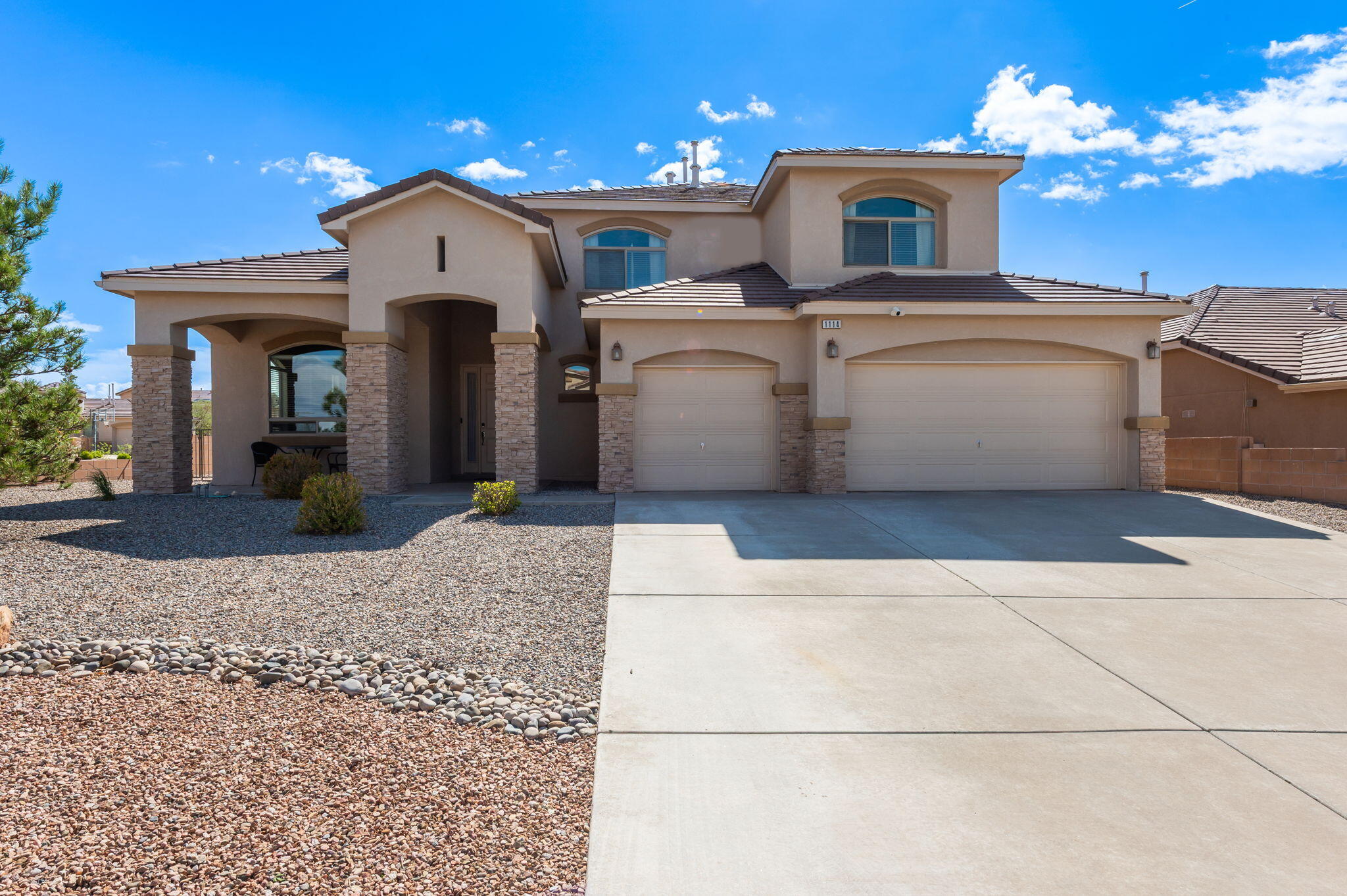

1114 BLUE SAGE ROAD NE, RIO RANCHO, NM 

Incredibly maintained 4BDR/3BA plus LOFT in desirable Diamond Ridge! 1BDR/BA on the main level for guests! Formal living and dining room Large great room with stacked stone fireplace! Open floor plan, lots of natural light, under stair storage, central vac, gutters, newly painted exterior trim, doors & garage door. Gourmet kitchen features island, granite countertops, LG range, cooktop, dishwasher, fridge (2023), 42'' cabinets w/crown molding & bkfst nook! Primary suite features his/her vanities, garden tub, separate shower & large walk-in closet. Covered patio, mature shrubs, trees on corner lot and walled for privacy. 3CG, finished, EV outlet.


GET YOUR MORNING INSPIRATION WITH THE SANDI PRESSLEY TEAM

 

How Much Cash Reserve Should You Have Before Investing in Real Estate in Albuquerque NM?

Thinking about investing in real estate in Albuquerque NM? One of the first questions smart investors ask is: how much cash or savings do you really need before you start? Cash reserves are crucial, not only for meeting lender requirements but also for protecting yourself against vacancies, repairs, and unexpected expenses.
Whether you’re a first-time investor or looking to expand your portfolio in Albuquerque, understanding the local reserve requirements can help you avoid costly mistakes and set yourself up for long-term success.
The Short Answer
In Albuquerque, most real estate investors start with a cash reserve that covers both the lender’s requirements and their own risk tolerance. Typically, lenders in Albuquerque require a down payment of 20 to 30 percent on investment properties, plus cash reserves that cover 6 to 9 months of expenses (including principal, interest, taxes, insurance, and any association fees).
For example, if your property’s total monthly payments are $1,500, most lenders will want to see at least $9,000 to $13,500 in reserves. Many experienced Albuquerque investors add an extra cushion for vacancies and repairs, aiming for 10 to 30 percent of annual gross rents in savings per property.

Lender Requirements for Cash Reserves in Albuquerque
• Lenders in Albuquerque require 20 to 30 percent down payments for investment properties
• You’ll also need reserves covering 6 to 9 months of PITIA (Principal, Interest, Taxes, Insurance, and Association fees)
• For example, if your PITIA is $1,500/month, that means $9,000 to $13,500 in reserves
• Sometimes, higher credit scores can result in lower reserve requirements

How Albuquerque Investors Calculate Their Starting Reserve
• Many banks prefer seeing at least six months of expenses per property in reserve
• Some investors set aside 10 to 30 percent of their annual rental revenue as a safety net
• Another approach is to save 10 percent of profits each month until you reach $10,000 to $15,000 per property
• Your exact reserve goal depends on your risk tolerance, the type of property, and whether you plan to self-manage or hire a property manager

Why Albuquerque’s Market Makes Reserves More Achievable
• Albuquerque’s affordability means lower entry costs compared to many other cities
• Lower purchase prices and strong rental demand can make it easier to build reserves while generating positive cash flow
• Investors have options ranging from single-family homes near the University of New Mexico to duplexes and vacation rentals catering to tourists

What to Factor Into Your Reserve Planning
• Always account for unexpected costs, vacancies, and emergency repairs
• If you’re hiring a property manager, include their fee (typically 8-10 percent of rent) in your expense calculations
• Detailed financial analysis should include ROI, purchase price, ongoing maintenance, and management fees

Frequently Asked Questions

Do I really need nine months of reserves, or can I get by with less?
In Albuquerque, lenders often require up to nine months’ reserves for investment properties. Some may accept six months if your credit is excellent, but more reserves increase your financial security.

Is the down payment included in my cash reserve calculation?
No. The 20-30 percent down payment is separate. Cash reserves are additional funds set aside to cover expenses after closing.

How much should I set aside for each property?
A common rule is $10,000 to $15,000 per property, or 10-30 percent of your annual gross rent, depending on rental income and your risk tolerance.

Does hiring a property manager change my reserve needs?
Yes, because property management fees reduce your cash flow. Be sure to add their fees to your expense calculations and maintain sufficient reserves.

Conclusion
Starting your real estate investment journey in Albuquerque NM means being prepared with the right amount of cash reserves. Aim for a 20-30 percent down payment, plus six to nine months of PITIA in reserves for each property. Adding a buffer for repairs or vacancies is smart, especially in today’s market. If you need help calculating your numbers or finding the right investment property in Albuquerque, reach out to the Sandi Pressley Team for expert local guidance.

Thinking about investing in real estate in Albuquerque NM? One of the first questions smart investors ask is: how much cash or savings do you really need before you start? Cash reserves are crucial, not only for meeting lender requirements but also for protecting yourself against vacancies, repairs, and unexpected expenses.

Whether you’re a first-time investor or looking to expand your portfolio in Albuquerque, understanding the local reserve requirements can help you avoid costly mistakes and set yourself up for long-term success.

The Short Answer

In Albuquerque, most real estate investors start with a cash reserve that covers both the lender’s requirements and their own risk tolerance. Typically, lenders in Albuquerque require a down payment of 20 to 30 percent on investment properties, plus cash reserves that cover 6 to 9 months of expenses (including principal, interest, taxes, insurance, and any association fees).

For example, if your property’s total monthly payments are $1,500, most lenders will want to see at least $9,000 to $13,500 in reserves. Many experienced Albuquerque investors add an extra cushion for vacancies and repairs, aiming for 10 to 30 percent of annual gross rents in savings per property.


Lender Requirements for Cash Reserves in Albuquerque

• Lenders in Albuquerque require 20 to 30 percent down payments for investment properties

• You’ll also need reserves covering 6 to 9 months of PITIA (Principal, Interest, Taxes, Insurance, and Association fees)

• For example, if your PITIA is $1,500/month, that means $9,000 to $13,500 in reserves

• Sometimes, higher credit scores can result in lower reserve requirements


How Albuquerque Investors Calculate Their Starting Reserve

• Many banks prefer seeing at least six months of expenses per property in reserve

• Some investors set aside 10 to 30 percent of their annual rental revenue as a safety net

• Another approach is to save 10 percent of profits each month until you reach $10,000 to $15,000 per property

• Your exact reserve goal depends on your risk tolerance, the type of property, and whether you plan to self-manage or hire a property manager


Why Albuquerque’s Market Makes Reserves More Achievable

• Albuquerque’s affordability means lower entry costs compared to many other cities

• Lower purchase prices and strong rental demand can make it easier to build reserves while generating positive cash flow

• Investors have options ranging from single-family homes near the University of New Mexico to duplexes and vacation rentals catering to tourists


What to Factor into Your Reserve Planning

• Always account for unexpected costs, vacancies, and emergency repairs

• If you’re hiring a property manager, include their fee (typically 8-10 percent of rent) in your expense calculations

• Detailed financial analysis should include ROI, purchase price, ongoing maintenance, and management fees


Frequently Asked Questions


Do I really need nine months of reserves, or can I get by with less?

In Albuquerque, lenders often require up to nine months’ reserves for investment properties. Some may accept six months if your credit is excellent, but more reserves increase your financial security.


Is the down payment included in my cash reserve calculation?

No. The 20-30 percent down payment is separate. Cash reserves are additional funds set aside to cover expenses after closing.


How much should I set aside for each property?

A common rule is $10,000 to $15,000 per property, or 10-30 percent of your annual gross rent, depending on rental income and your risk tolerance.


Does hiring a property manager change my reserve needs?

Yes, because property management fees reduce your cash flow. Be sure to add their fees to your expense calculations and maintain sufficient reserves.


Starting your real estate investment journey in Albuquerque NM means being prepared with the right amount of cash reserves. Aim for a 20-30 percent down payment, plus six to nine months of PITIA in reserves for each property. Adding a buffer for repairs or vacancies is smart, especially in today’s market. If you need help calculating your numbers or finding the right investment property in Albuquerque, reach out to the Sandi Pressley Team for expert local guidance.


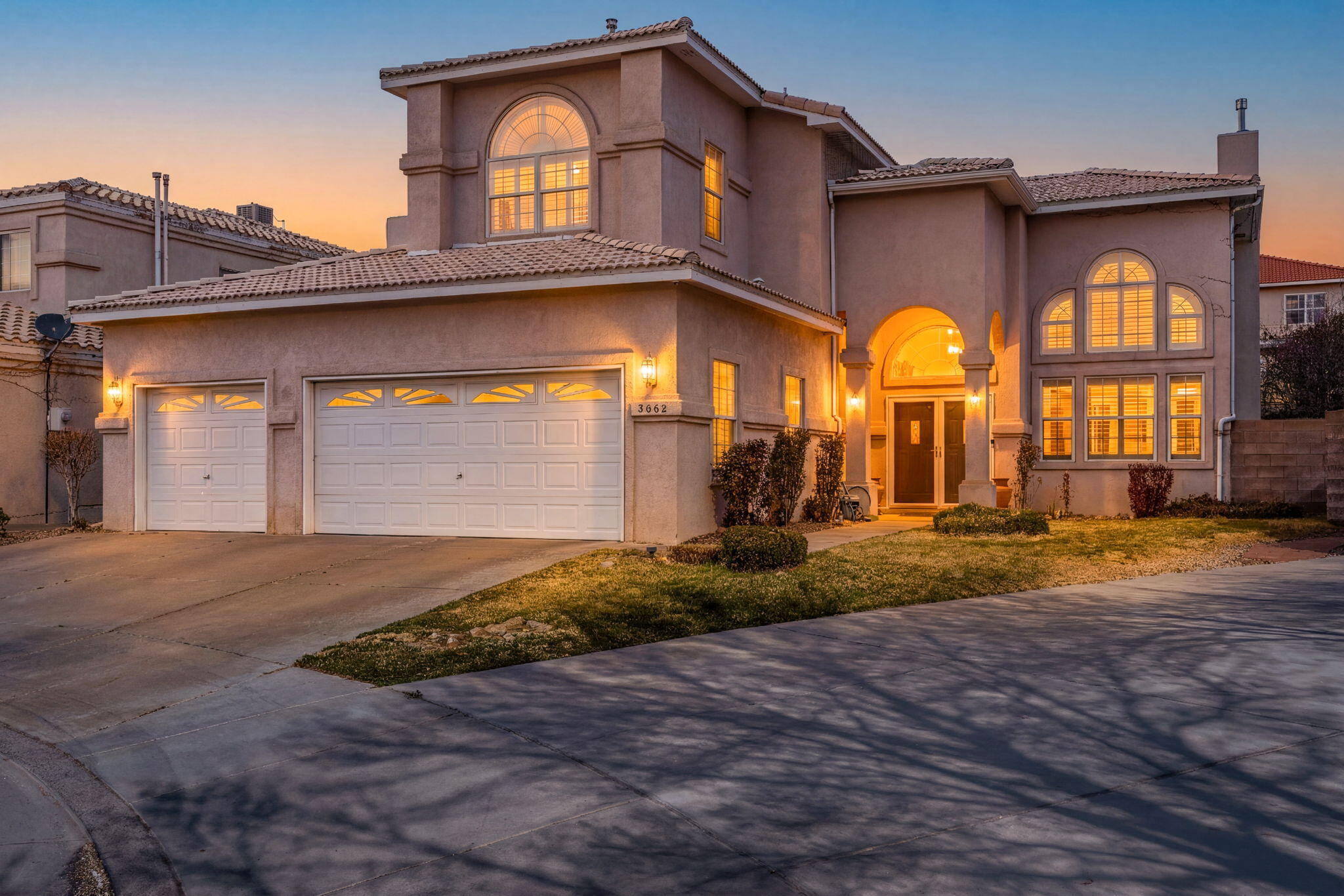
HOT PROPERTY OF THE WEEK


8608 TIERRA ALEGRE DRIVE NE, ALBUQUERQUE, NM

Discover refined comfort & modern style in this beautifully updated home in one of Albuquerque's most desirable neighborhoods. With 5 spacious bedrooms and 3 baths, this residence is designed for both everyday living & entertaining. Step inside to find engineered hardwood floors throughout the lower level & expansive dual living areas perfect for gatherings. The remodeled kitchen features newer appliances, ample cabinetry, & an open flow to the family room for easy hosting. Upstairs, the remodeled primary suite offers a true retreat with an oversized walk-in closet & spa-inspired bathroom, combining both luxury & function. Outside, enjoy New Mexico sunshine in your private backyard oasis--complete with a sparkling pool, new custom cover, gas heater, pump, and sand filter. 

GET YOUR MORNING INSPIRATION WITH THE SANDI PRESSLEY TEAM



Displaying blog entries 1-2 of 2

Syndication

Categories

Archives

Contact Information

Photo of The Sandi Pressley Team Real Estate
The Sandi Pressley Team
Coldwell Banker Legacy
10400 Academy Rd. NE Suite 100
Albuquerque NM 87111
505-980-2999
505-263-2173 / 505 293-3700
Fax: 505-212-0729

Quick links to this site are also SandiSells.net or SandiSellsHomes.com